A structural shift is moving the global coffee trade away from its historic Western centers toward a faster, proximity-driven system anchored in Dubai, Singapore, and Shanghai.
Source: Dubai – Qahwa World | April 2026
By 2034, the global green coffee market is projected to reach between USD 54.5 billion and USD 61.4 billion. Much of that expansion is expected to come from Asia-Pacific and the Middle East, regions that are redefining how coffee is traded and where value is created.
A Market Rewritten by Demand
Growth in coffee consumption is no longer evenly distributed. Mature markets in Europe and North America are expanding slowly, while demand across Asia and the Middle East is accelerating.
| Region | Growth | Market Profile |
|---|---|---|
| North America and Europe | 0.5% to 1.2% | Mature markets with premium focus |
| China | 5% to 7% | Rapid import growth and domestic roasting |
| India | 6% to 8% | Expanding café culture |
| Middle East | 4% to 6% | High-value consumption growth |
| Southeast Asia | 5% to 7% | Strong robusta base with specialty shift |
This divergence is reshaping global trade routes. Coffee is increasingly flowing within an interconnected system that links producing countries directly with emerging consumption centers.
Value Moves Closer to Origin
A parallel shift is taking place within producing countries. Nations such as Vietnam, Indonesia, and Ethiopia are expanding their processing and roasting capacity, allowing them to retain a larger share of the value chain.
Mid-stream hubs in the Eastern corridor are reinforcing this trend. By enabling processing and packaging closer to origin, they reduce reliance on traditional Western intermediaries and increase margins across the supply chain.
The result is a measurable redistribution of value, with producers capturing an estimated 15% to 20% more than under legacy trade structures.
Speed as a Competitive Advantage
Logistics has become a defining factor in the new trading environment. Shorter routes between producing regions and Eastern hubs are reducing transit times and increasing flexibility.
| Route | Transit Time |
|---|---|
| East Africa to Rotterdam | 35 to 45+ days |
| East Africa to Dubai | 7 to 14 days |
| Southeast Asia to Europe | 30 to 40 days |
| Southeast Asia to Singapore or Shanghai | 5 to 12 days |
Reduced transit time improves cash flow efficiency, lowers inventory risk, and helps preserve coffee quality. These advantages are becoming central to competitive positioning.
A New Financial Architecture
The financial systems supporting coffee trade are evolving alongside physical infrastructure. Traditional reliance on futures markets and bank-led financing is being complemented by more flexible models.
| Feature | Legacy Model | Emerging Model |
|---|---|---|
| Financial Instruments | Futures-based pricing | Direct contracts |
| Assets | Heavy infrastructure | Platform-based systems |
| Finance | Bank-led | FinTech and sovereign capital |
| Execution | Multi-day cycles | Near real-time |
Dubai as a Trade Platform
Dubai has positioned itself as a central node in this transformation. Integrated infrastructure allows multiple stages of the coffee supply chain to operate within a single ecosystem, reducing friction and improving efficiency.
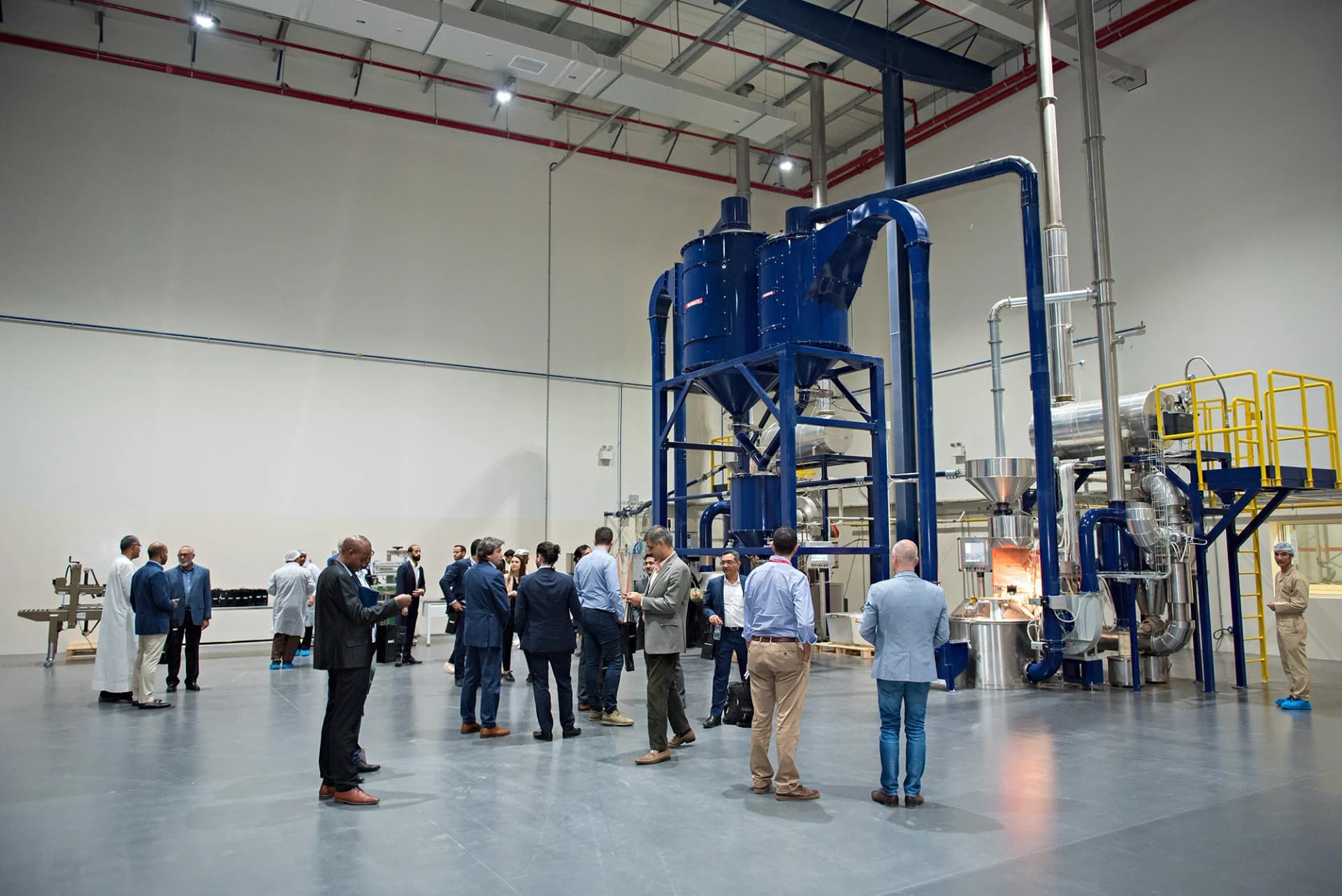
Facilities such as the DMCC Coffee Centre combine storage, processing, roasting, and logistics, creating a unified platform that connects producers directly with high-growth markets.
Industry events, including World of Coffee Dubai, are reinforcing this role by facilitating direct trade relationships and improving transparency between origin and buyers.
Outlook to 2035
The global coffee trade is gradually moving toward diversified pricing systems and decentralized trade flows. Fixed-price agreements, quality-based valuation, and traceability tools are becoming more prominent.
By 2035, the Eastern Growth Corridor is expected to capture a significant share of incremental trade value, reflecting a long-term structural shift rather than a temporary adjustment.
Conclusion
The future of green coffee trading is being reshaped by proximity, speed, and integration. The shift toward Dubai, Singapore, and Shanghai reflects deeper changes in how markets function and where value is created.
What was once a centralized system is becoming a distributed network. Those positioned closest to both origin and demand are increasingly defining the next phase of the global coffee economy.