Loading page...
Please wait...
 Studies
Author: Qahwa World – London Source: International Coffee Organization (ICO) – Coffee Market Report, August 2026 Date: September 2026 ICO Coffee Market Report August 2026: Prices Hold Steady Executive Summary The ICO Composite Indicator Price averaged 287.29 US cents/lb in August 2026, effectively unchanged from July (287.26 US cents/lb). A mid-month rally, driven by El</p>
 Studies
Author: Qahwa World – London Source: International Coffee Organization (ICO) – Coffee Market Report, July 2026 Date: August 2026 ICO Coffee Market Report July 2026: Prices Surge 15.4% on Supply Fears Executive Summary The ICO Composite Indicator Price averaged 287.26 US cents/lb in July 2026, up 15.4% from June, with Arabica prices outpacing Robusta. Record</p>
 Studies
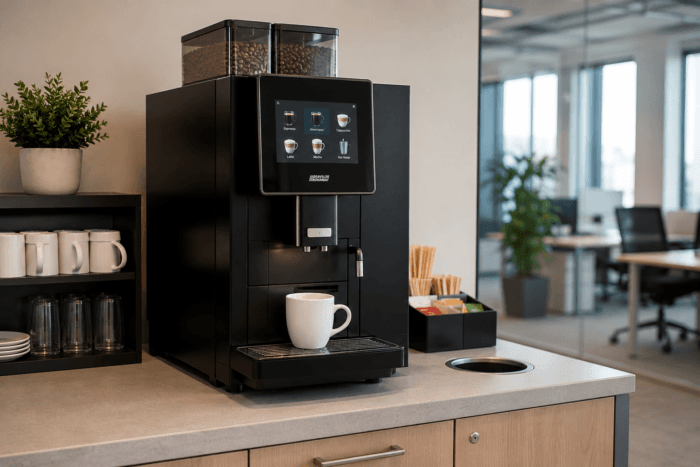
Source: Uppsala University / Chalmers University of Technology / Nutrition, Metabolism and Cardiovascular Diseases journal Author: Qahwa World Date: August 24, 2026 Swedish Study: Workplace Coffee Machines May Raise Bad Cholesterol Swedish study reveals workplace coffee machines may produce natural compounds that raise bad cholesterol. The main compounds are cafestol and kahweol, belonging to the</p>
 Studies
Source: American Heart Association / Circulation journal Author: Qahwa World Date: August 10, 2026 Coffee Not a Heart Risk: AHA Sets Safe Caffeine Limit AHA recommends up to 400mg of caffeine daily for most adults. That equals about 5 cups of brewed coffee (8 oz per cup). Plain black coffee linked to lower risk of</p>
 Studies
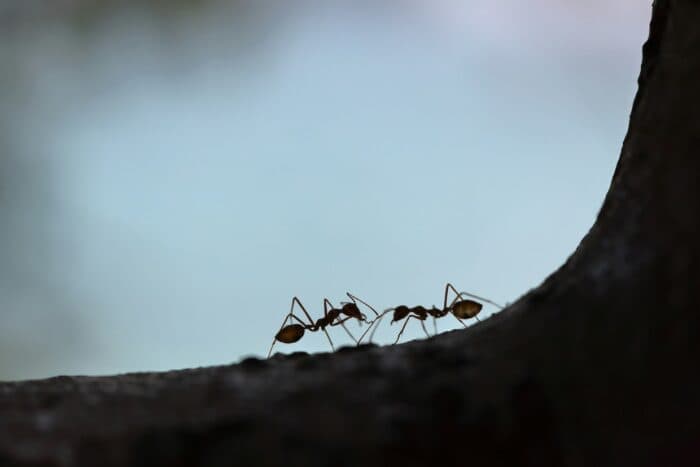
Source: University of Michigan / Ecology journal Author: Qahwa World Date: August 2, 2026 Study Finds Ants May Help Suppress Coffee Berry Borer Small ants evict coffee berry borers from coffee fruits and use their cavities for reproduction. This reproductive benefit may support more diverse ant communities on coffee plants. Large ants eat the borers,</p>
 Studies
Source: UK Biobank, Nurses’ Health Study, American Heart Association Author: Qahwa World Date: August 1, 2026This article explores coffee consumption by age based on major health studies. Optimal Coffee Amount by Age: What Large Scientific Studies Say Large observational studies link moderate coffee consumption to lower risk of chronic diseases. These findings are associations, not</p>
 Studies
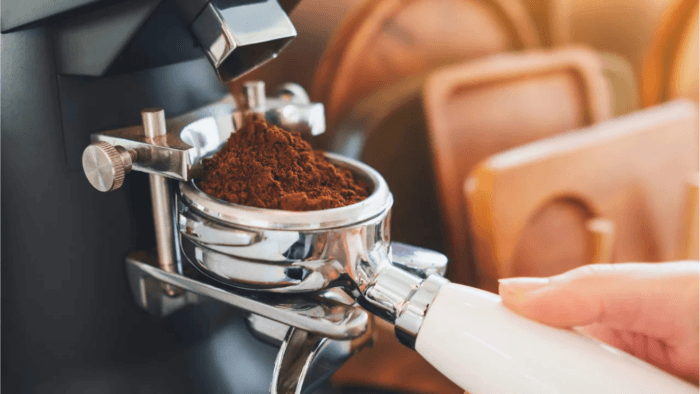
Source: Universitat Rovira i Virgili / Biomass and Bioenergy journal Author: Qahwa World Date: July 27, 2026 Spent Coffee Grounds Converted Into Raw Material for Biofuels Researchers developed an efficient method to extract oil from spent coffee grounds for biodiesel production. Optimal conditions: 45°C for 60 minutes with 35 ml hexane per gram of dry</p>
 Studies
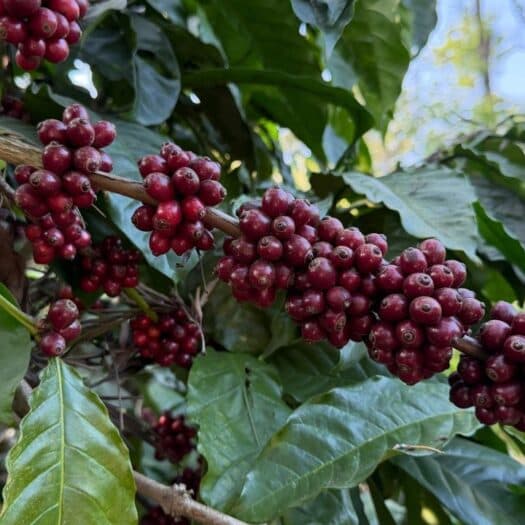
Source: USDA Foreign Agricultural Service (FAS) – Coffee: World Markets and Trade Author: Qahwa World Date: July 23, 2026This article covers important findings from the world coffee market report 2026. USDA Report: Record World Coffee Production in 2026/27 World coffee production forecast at a record 189.7 million bags in 2026/27, up 10.8 million from the</p>
 Studies
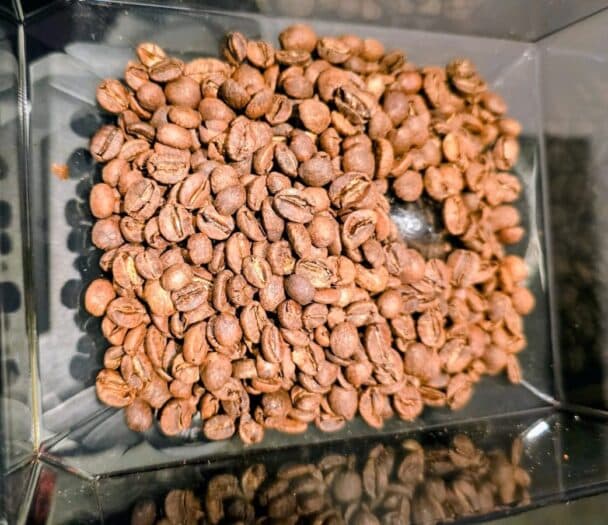
Source: Qahwa World / Lavazza Group Author: Editorial Team Date: July 21, 2026 Coffee Drinkers Shift to Whole Beans as Prices Soar Consumers are buying less but better coffee as global prices remain elevated. Whole bean demand surged 46% year-over-year, according to consumer data. Home brewing equipment sales jumped: drip coffee makers up 66%, espresso</p>
 Studies
Source: Qahwa World Author: Qahwa World Date: July 20, 2026 AHA Says Five Cups of Coffee Daily Safe for Adults American Heart Association statement says up to five cups of coffee daily is safe for most adults. Three to five 8-ounce cups (about 400 mg caffeine) linked to lower risk of heart disease and stroke.</p>
 Studies
Author: Qahwa World – London Source: International Coffee Organization (ICO) – Coffee Market Report, June 2026 Date: July 2026 ICO Coffee Market Report June 2026: Prices Rebound on El Niño Fears Executive Summary The ICO Composite Indicator Price (I‑CIP) averaged 248.90 US cents/lb in June 2026, down 2.8% from May. However, prices rebounded sharply by</p>
 Studies
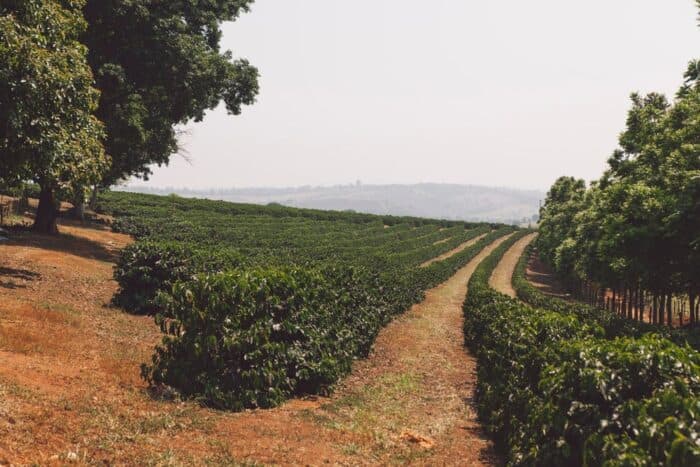
Source: Sucafina Brazil / Industry Report Author: Qahwa World Date: July 8, 2026 Brazil Coffee Harvest 2026 Faces Delays Brazil’s 2026/27 crop is forecast at 75.4 million bags, driven by a 27% increase in Arabica production. Harvest progress is significantly slower than usual, reaching only 45.2% by June 26. Early quality indicators are strong, with</p>
