Loading page...
Please wait...
 Reflections
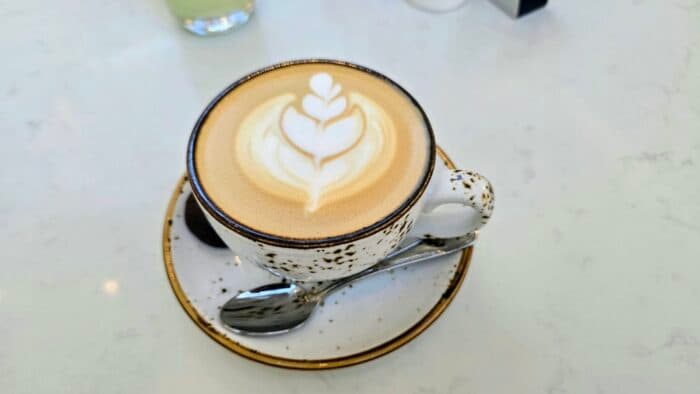
Dubai – Qahwa World celebrates International Coffee Day. When we raise a warm cup of coffee to our lips each morning, we are not merely consuming a comforting beverage to dispel the vestiges of sleep; we are partaking in a rich human history shaped by passion, patience, and global interplay. On this October 1, 2026,</p>
 Reflections
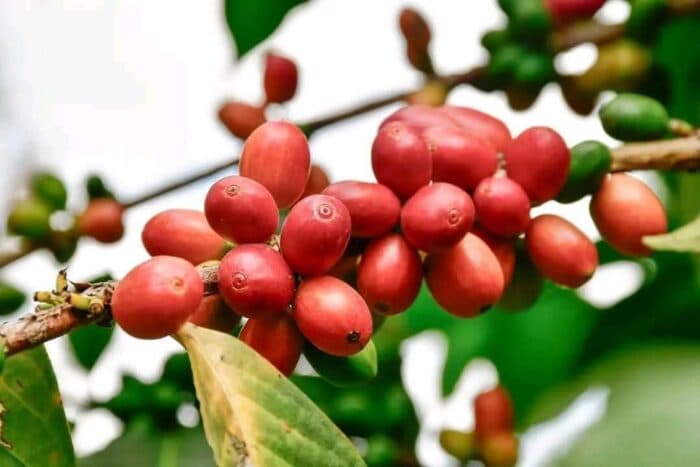
Source: Coffee Market Analysis / Ethiopian Coffee and Tea Authority Author: Qahwa World Date: September 8, 2026 Ethiopia’s Golden Opportunity in the Global Coffee Market Brazil’s coffee quality is declining due to unexpected rains, creating a golden opportunity for Ethiopia. New York arabica coffee prices dropped by 5.5% to 6.2% last week. This price drop</p>
 Reflections
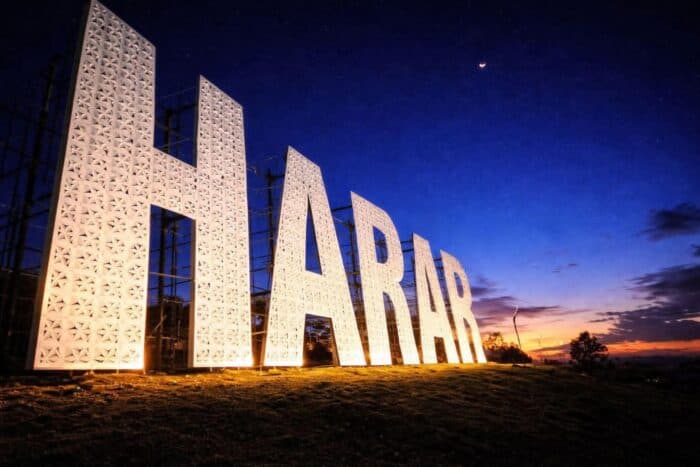
Harar blends centuries of coffee heritage, Islamic history and warm hospitality. The inaugural Great Harar Run offers visitors a new way to discover one of Ethiopia’s most remarkable cities. By Tewodros Balcha | Exclusive for Qahwa World Thousands of runners passed through the ancient gates of Harar today, transforming one of Africa’s oldest living cities</p>
 Reflections
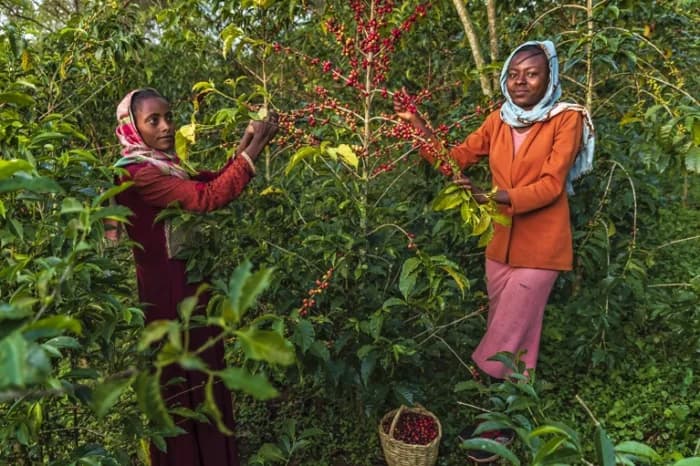
Source: Nature – Adapted by Qahwa World | Author: Qahwa World | Date: July 1, 2026 Coffee Is Under Threat: How Scientists Are Fighting to Save It from Extinction Key Takeaways: Coffee is critically threatened by climate change, with arabica suffering or dying when temperatures rise just a few degrees. Robusta requires massive amounts of</p>
 Reflections
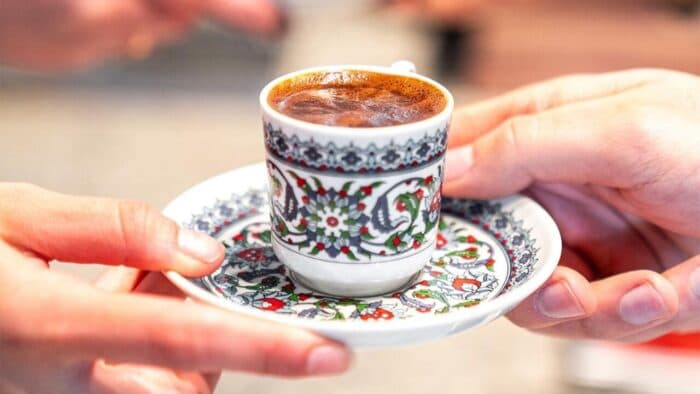
Source: Qahwa World | Author: Serkan Oral | Date: June 23, 2026 Turkish Coffee & Arabic Coffee — Two Cups, One Soul From the Article: Turkish and Arabic coffee share a common historical root, stretching from the highlands of Ethiopia through Yemen to the Islamic world. Both are prepared without filtering, served in small cups,</p>
 Reflections
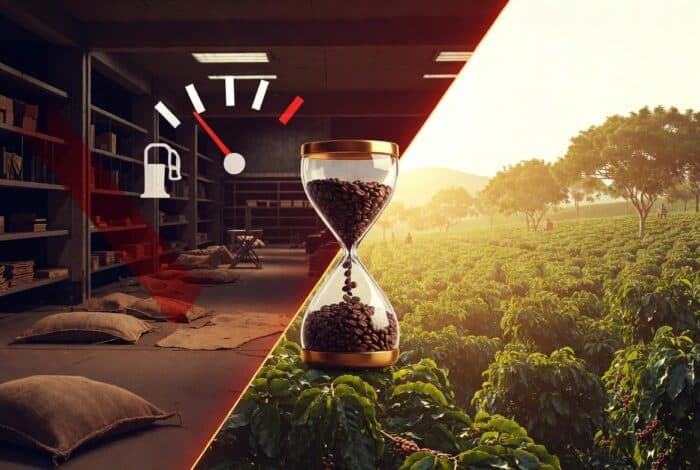
Source: Qahwa World analysis – based on the International Coffee Organization (ICO) May 2026 report | Author: Qahwa World | Date: June 14, 2026 Coffee Market Between Today’s Tightness and Tomorrow’s Abundance: How May 2026 Numbers Reveal a Sharp Disconnect What Is Happening in the Coffee Market Today? The coffee market is living a stark</p>
 Reflections
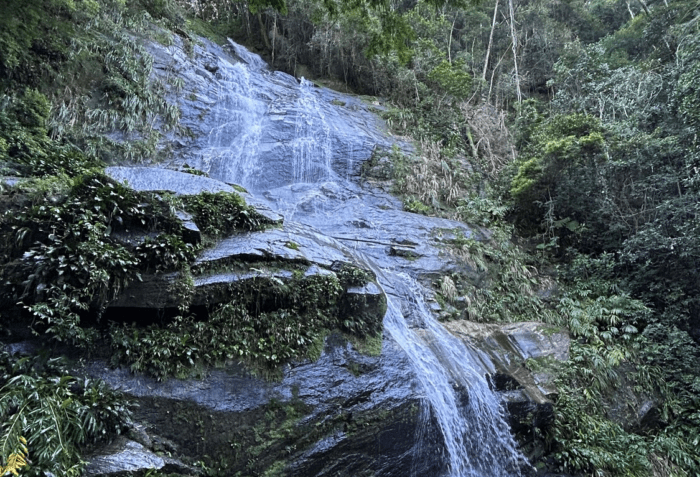
Source: Coffee Consulate | Author: Dr. Steffen Schwarz | Date: June 10, 2026 The Memory of Stone in Every Cup: Why Water Is Never Neutral and Geology Guides Every Brew Key Takeaways: Water is not an empty stage for coffee – it carries a chemical memory of its journey through rocks, soils, and aquifers. Calcium,</p>
 Reflections
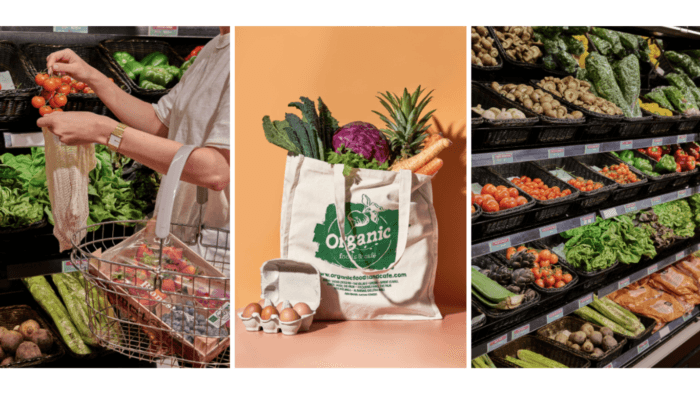
Source: Qahwa World – Opinion Article | Author: Firas Nasser, CEO of an organic food brand and café, and Co-CEO of Gulf Japan Food Fund Investment | Date: June 8, 2026 From Farm to Shelf: Local Sourcing Gains Momentum in UAE’s Retail Sector Key Takeaways: The UAE retail sector is undergoing a quiet but profound</p>
 Reflections
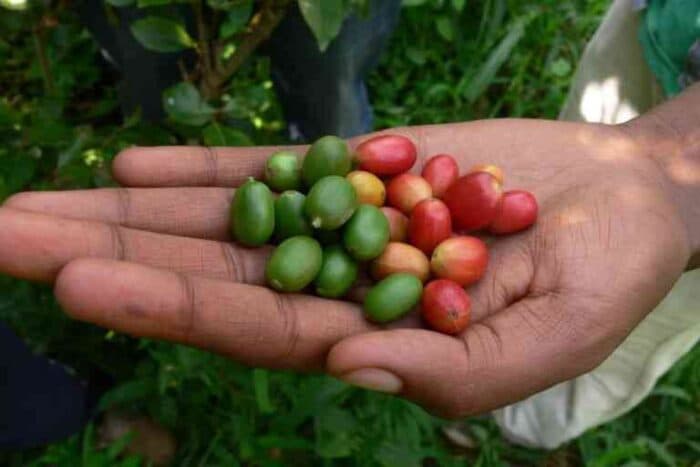
Author: Qahwa World Source: Mongabay (Meena Menon) Date: June 1, 2026 Climate Resilient Coffee: Excelsa and Liberica Offer Hope Executive Summary: Mongabay published this story. Arabica and Robusta face growing threats from rising temperatures and erratic rainfall. Lesser known coffee species like Excelsa and Liberica are gaining attention for their resilience and adaptability. British planter</p>
 Reflections
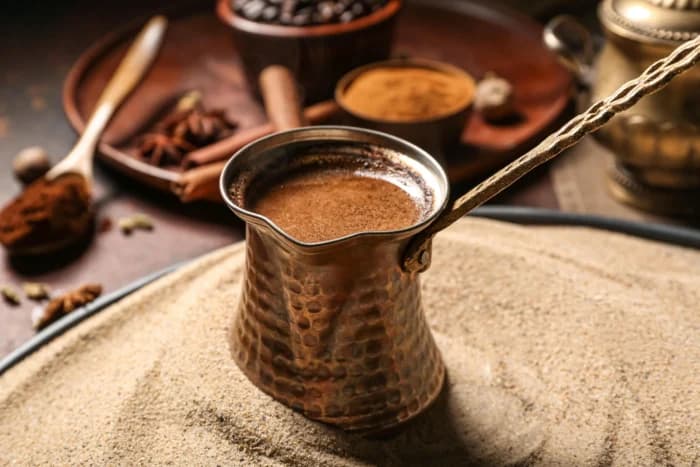
Author: Qahwa World Source: Original reporting on Turkish coffee culture Date: May 30, 2026 Turkish Coffee Culture: From Kahvehane to Specialty Bars Executive Summary: Turkish coffee culture is one of the world’s oldest. UNESCO recognizes it for its brewing rituals and social traditions. Key features include very fine grind, brewing in a cezve, and serving</p>
 Reflections
Author: Qahwa World Source: Historical musicology and coffee culture archives Date: May 29, 2026 The Coffee Cantata: How Johann Sebastian Bach Composed an Eternal Ode to the Bean Executive Summary: Johann Sebastian Bach composed the Coffee Cantata (BWV 211) between 1732 and 1735 for performances at Café Zimmermann in Leipzig. The work is a witty</p>
 Reflections
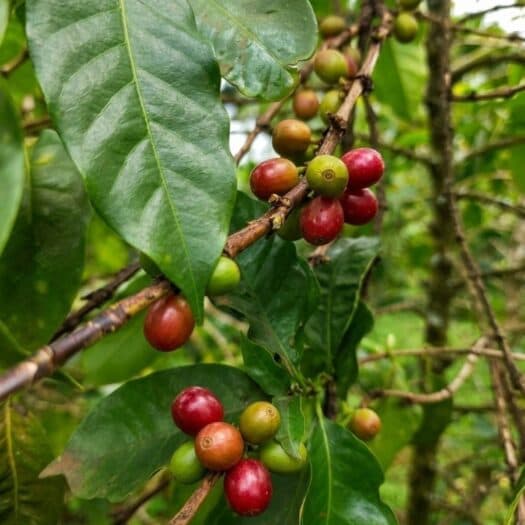
Author: Qahwa World Date: May 29, 2026 Coffee Sweetness: Eight Hypotheses on the Sugarless Paradox Executive Summary: Roasted coffee contains almost no free sugars above sensory thresholds, yet perceived sweetness is a top driver of consumer preference. Research shows trained tasters can reliably rank coffees by sweetness intensity, with differences of 4-6 points on a</p>
