Founder Seada Mustefa Leads UNESCO Recognition Push Through Ethiopian Coffee Culture Day
Addis Ababa – Qahwa World × Buna Kurs – Media
At a moment when global coffee discussions revolve around traceability, sustainability, and value distribution at origin, Ethiopia is redirecting attention toward something more foundational: culture.
At the Adwa Victory Memorial Museum, industry leaders, diplomats, cultural institutions, exporters, and development stakeholders convened for Ethiopian Coffee Culture Day 2026—an initiative led by Warka Coffee to advance UNESCO Intangible Cultural Heritage recognition for the Ethiopian coffee ceremony.
Yet the gathering went beyond heritage recognition. It marked a strategic move to formalize Ethiopia’s ceremonial tradition as both a cultural legacy and an economic instrument.
A Living Cultural System, Not a Symbol
For generations, the Ethiopian coffee ceremony has structured social life across communities—embedding dialogue, patience, hospitality, and shared presence into daily interaction.
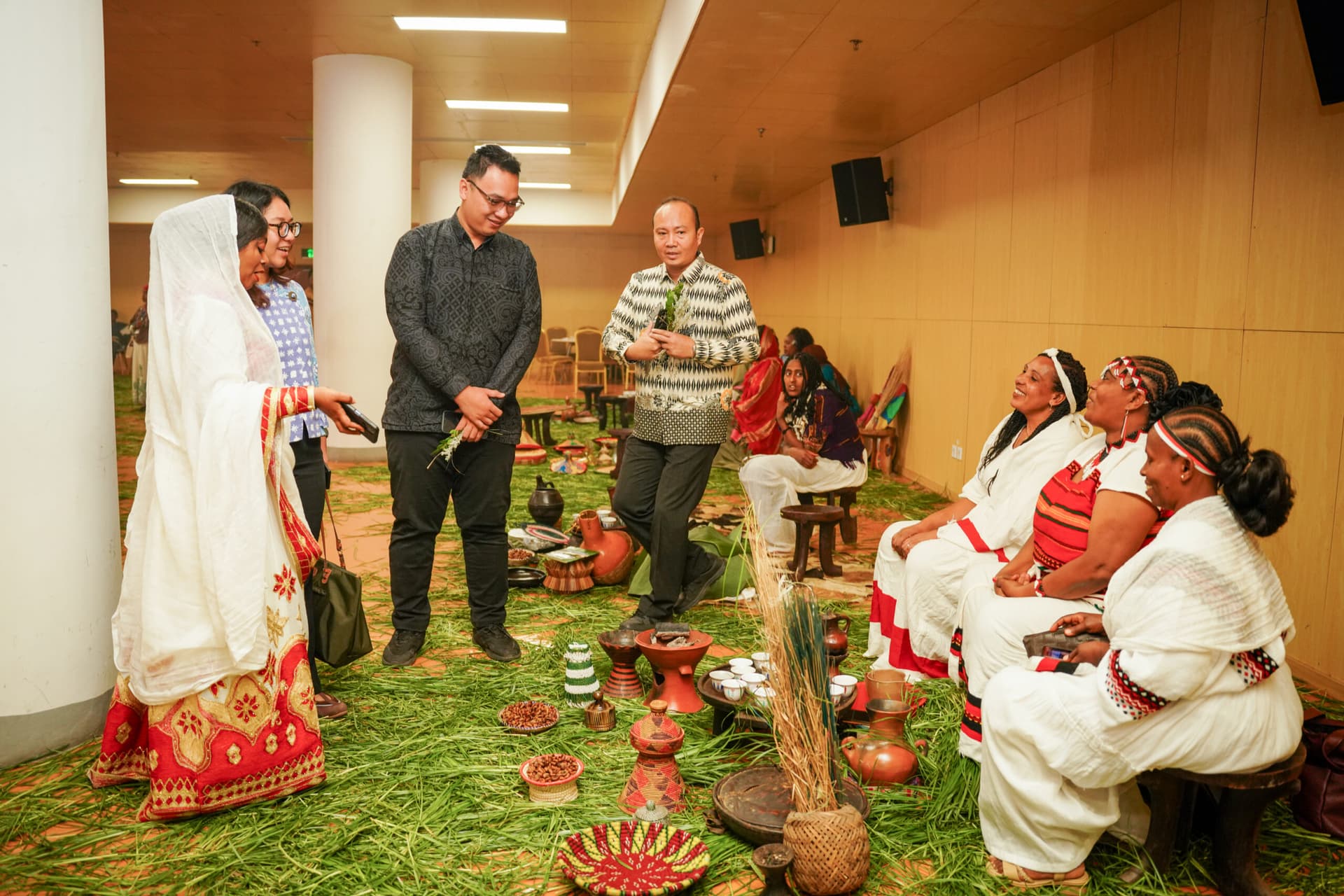
At this year’s celebration, more than eleven regional expressions of the ceremony were presented in what organizers described as a “living museum” format. Participants did not merely observe; they engaged. Coffee was roasted, ground, brewed, and served under the guidance of cultural custodians from across Ethiopia’s regions.
The experience was immersive. Coffee was framed not simply as a beverage, but as social architecture—a ritual that organizes community life and reinforces collective identity.
For international observers, the message was clear: Ethiopia is not only the botanical birthplace of Coffea arabica but also the guardian of one of coffee’s most enduring and sophisticated social traditions.
From Ceremony to Strategy
The event drew representatives from government ministries, the Ethiopian Heritage Authority, tourism and trade institutions, women-led enterprises, development organizations, and members of the diplomatic corps.
Panel discussions moved beyond symbolism to policy and positioning, exploring:
-
Coffee as soft power and diplomatic bridge
-
Women as custodians of ceremony and drivers of small-business growth
-
The integration of farmers, exporters, tourism, and technology
-
The role of communal brewing in well-being and social cohesion
The framing was deliberate: Ethiopia’s coffee ceremony is not folklore. It is diplomatic capital, economic leverage, and narrative authority within the global coffee sector.
By pursuing a formal UNESCO pathway, organizers aim to protect the integrity of the ceremony while reinforcing Ethiopia’s leadership role in shaping the global coffee narrative.
Founder-Led Cultural Stewardship
At the center of the initiative is Seada Mustefa, founder and CEO of Warka Coffee, who has positioned Ethiopian Coffee Culture Day as a bridge between heritage preservation and industry advancement.
Her approach reflects an emerging model of origin leadership—one that views geography not merely as a site of production, but as a source of cultural governance and institutional influence.
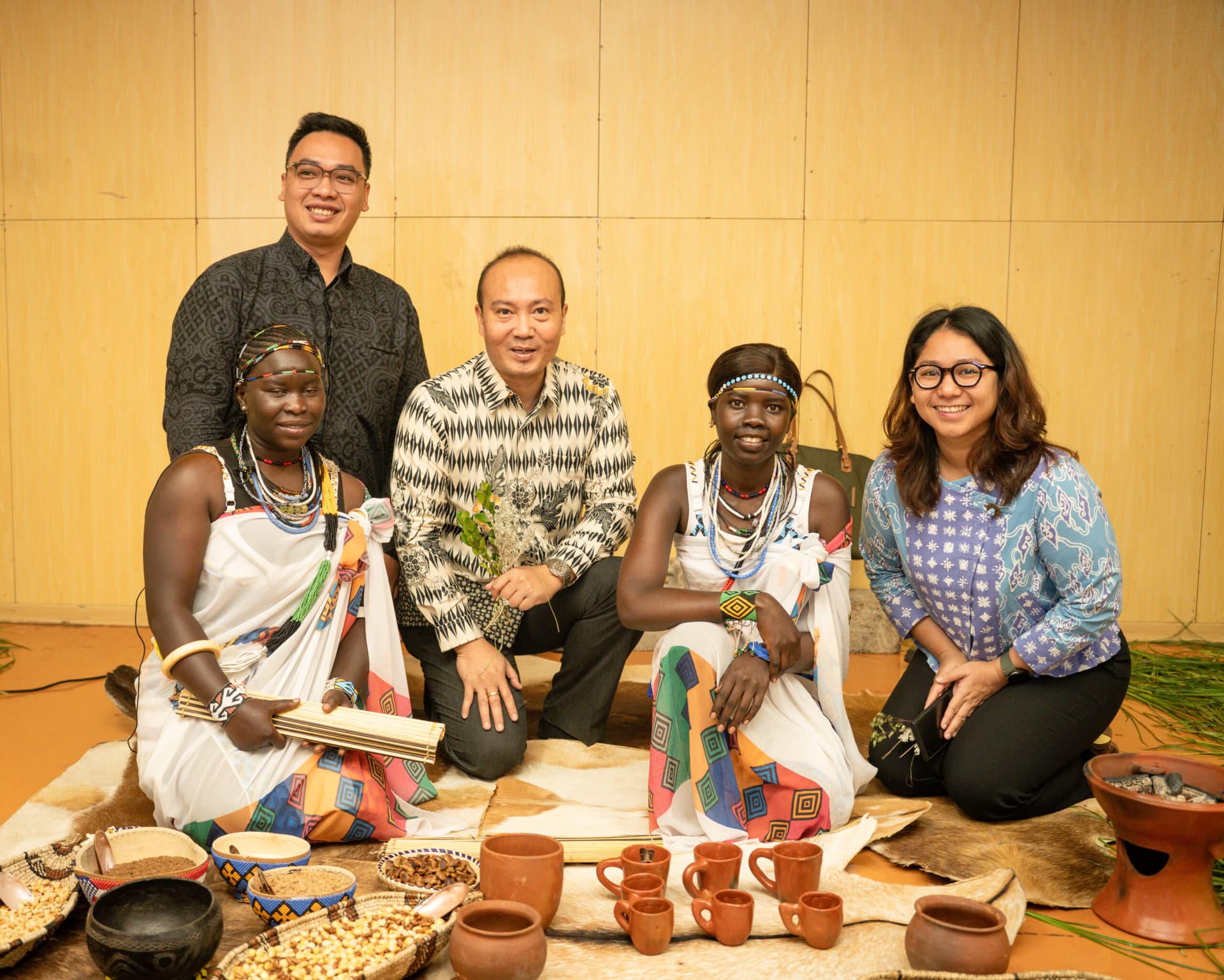
Under her direction, the event brought together women entrepreneurs, traditional pottery artisans, exporters, and technology stakeholders into a unified ecosystem. A notable feature was the Embassy Coffee Culture Exchange, where diplomatic missions based in Addis Ababa shared their own coffee traditions—reinforcing Ethiopia’s role as both origin and global convener.
The ambition is clear: elevate a domestic ritual into an internationally recognized institutional platform.
Cultural Value in a Commodity Market
The global coffee market continues to wrestle with volatility, sustainability metrics, and uneven value distribution. Ethiopian Coffee Culture Day reframed that conversation.
If the future of coffee depends on strengthening equity at origin, safeguarding cultural systems may be as critical as improving yields or optimizing logistics.
The 2026 edition welcomed thousands of participants across industry, community, and diplomatic sectors. It signaled Ethiopia’s intention to anchor its global coffee identity not only in export volumes but also in ceremony.
In an industry that often reduces origin to tasting notes and lot numbers, Addis Ababa delivered a reminder: coffee’s enduring power lies in relationship.
And in Ethiopia, that relationship still begins with a jebena—shared slowly, in a circle.
Gallery