Author: Firas Nasser, CEO of an organic food brand and café, and Co-CEO of Gulf Japan Food Fund Investment |
Date: June 8, 2026
From Farm to Shelf: Local Sourcing Gains Momentum in UAE’s Retail Sector
Key Takeaways:
- The UAE retail sector is undergoing a quiet but profound shift toward local sourcing.
- Logistics infrastructure investments have bridged the gap between local producers and major retailers.
- One organic food chain collaborates with over 400 supply partners across local and global supply chains.
- Organic eggs from a Fujairah farm and fresh organic milk from a Sharjah farm are now consistently available.
- The “Made in the UAE” initiative has added a strategic dimension to boosting local manufacturing.
- Retailers who embraced local sourcing proved more resilient in absorbing shocks and reducing impacts.
- Challenges remain, but the number of producers meeting global standards is steadily growing.
The most impactful shifts in business rarely arrive with fanfare. They accumulate quietly through purchasing decisions, supplier evaluations, and sourcing discussions that happen behind the scenes. The UAE’s retail sector is currently undergoing just such a quiet transformation.
This quiet yet profound shift is a gradual move from near-exclusive reliance on global suppliers to a meaningful integration of local producers into the supply chain. What was an aspiration five years ago has become an operational reality today.
Bridging the Gap: How the UAE’s Logistics Landscape Has Changed
Previously, retailers built their supplier lists based on established global suppliers. These suppliers could provide required volumes, comply with approved standards, and maintain consistent performance at scale. Local producers, on the other hand, often struggled to meet the standards demanded by major buyers. These challenges included providing reliable cold chain infrastructure, obtaining internationally recognized food safety certifications, and scaling supply without disrupting delivery schedules.
However, this gap has narrowed significantly. Investments in the UAE’s logistics infrastructure have driven this progress. These investments include temperature-controlled warehouses, refrigerated delivery services to final delivery points, and the development of alternative trade routes such as the green corridor between Oman and the UAE, as well as the eastern coast ports of Khorfakkan and Fujairah. These developments have provided a reliable and sustainable path for local suppliers to reach store shelves, a path that did not exist five years ago.
| Product | Source | Significance |
|---|---|---|
| Organic Eggs | Farm in Fujairah | Consistently available for the first time |
| Fresh Organic Milk | Farm in Sharjah | High quality and regular supply |
| Fermented beverages, plant-based products | Local brands | Sustainable presence in distribution channels |
A Pioneering Experience: Shifting Supplier Composition Toward Local Sourcing
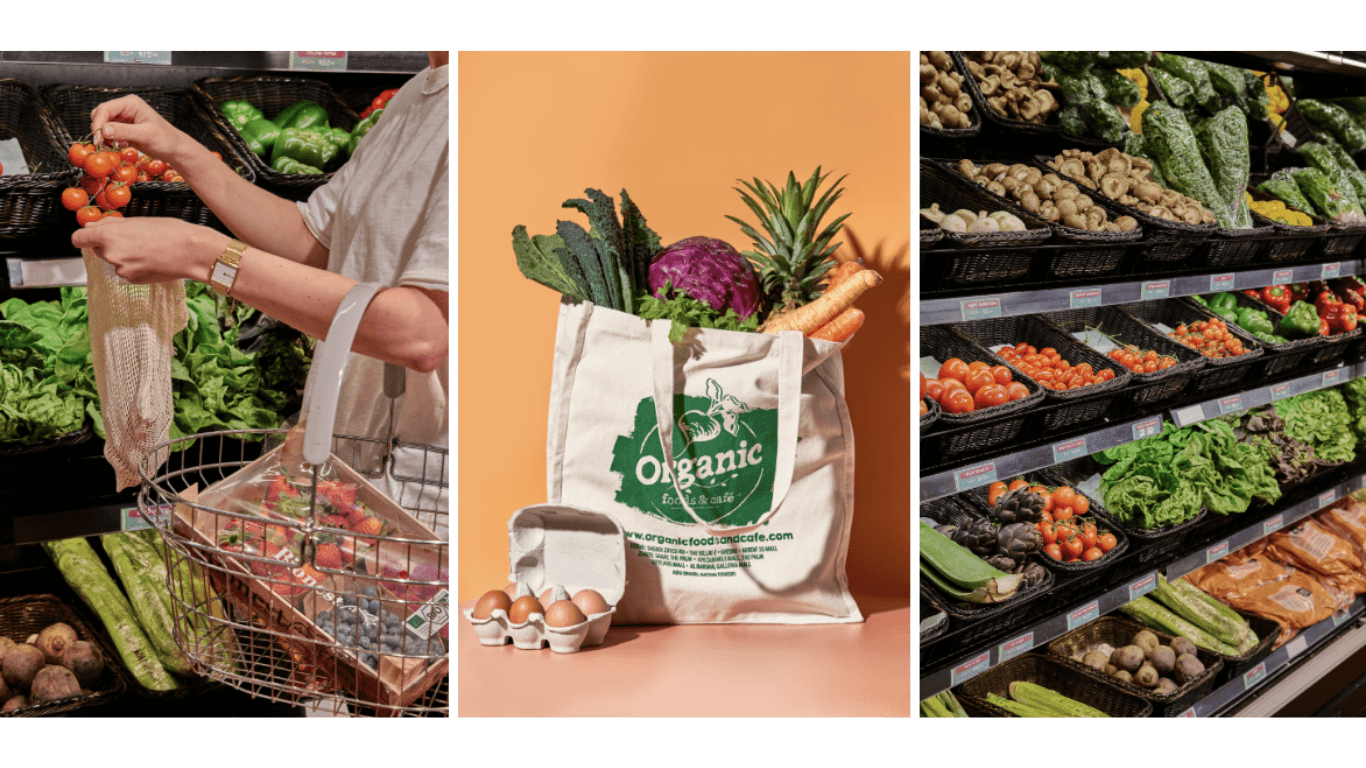
The impact of this shift is most visible among retailers who committed early to local sourcing. One organic food chain, for example, has been closely tracking this development. It collaborates with more than four hundred supply partners across local and global supply chains. Over the past four years, the composition of its supplier list has shifted markedly toward sourcing from geographically closer regions. This has improved product availability, reduced transport times, and tangibly lowered the carbon footprint across key product categories.
These shifts have been most evident in beverages, fresh produce, and dairy products. These are categories where local producers have invested seriously in quality and operational consistency. The products now securing shelf space indicate a genuine level of operational maturity, not merely an emotional preference for local goods.
Government Initiatives: “Made in the UAE” as a Strategic Catalyst
The entire retail sector is responding to these shifts. The “Made in the UAE” initiative has added a strategic dimension to what was already an established business practice. This government initiative aims to boost local manufacturing and industrial investment. As a result, approved supplier lists across the sector are now reviewed from the perspective of supply chain resilience, not only from a cost optimization perspective.
Recent geopolitical events have made this reassessment more urgent. Retailers who integrated local sourcing into their business models have proven to be in a much better position to withstand shocks and reduce their impacts. Alternative shipping channels were activated when needed, but the least exposed companies were those that had built strong relationships with local suppliers before this step became an urgent necessity due to disruptions.
Remaining Challenges, but a Promising Future
Of course, challenges remain. The shortage of local producers with organic certification is an ongoing gap. And retailer expectations have not become less stringent. Local suppliers are still required to meet the same standards regarding delivery, food safety, and scalability as their international counterparts.
Nevertheless, the list of producers able to meet these standards is steadily growing. The commercial viability of this trend is becoming difficult to ignore. Speed of order fulfillment, extended shelf life of local fresh products, and the ability to adapt to fluctuating shipping costs are advantages that often outweigh the economies of scale previously enjoyed by international suppliers with little competition.
The reshaping of the UAE’s retail sector around local suppliers and brands has already begun. The current geopolitical landscape has given it additional momentum. Today, this process rests on proven business expertise, is supported by advanced infrastructure, and is backed by clear national policies. The companies that recognize that what is happening is not a passing sourcing trend but a fundamental shift in supply chains will be those that shape the UAE’s retail sector over the next decade.
Frequently Asked Questions About Local Sourcing in the UAE Retail Sector
Q: What were the main challenges facing local producers previously?
A: The main challenges included lack of cold chain infrastructure, absence of internationally recognized food safety certifications, and difficulty scaling supply while maintaining delivery schedules.
Q: How have logistics investments supported local sourcing?
A: Investments included refrigerated warehouses, chilled delivery to final points, and alternative trade routes such as the green corridor with Oman and the ports of Khorfakkan and Fujairah.
Q: What is the “Made in the UAE” initiative?
A: A government initiative aimed at boosting local manufacturing and industrial investment, adding a strategic dimension to the trend toward local sourcing.
Q: Can local suppliers now compete with global suppliers?
A: Yes. Thanks to improved quality and operational consistency, advantages such as speed and extended shelf life sometimes outweigh the economies of scale enjoyed by global suppliers.
Q: What is the future of the UAE retail sector in light of this shift?
A: Companies that embrace this shift as a fundamental change in supply chains will be best positioned to shape the sector over the next decade.
The shift toward local sourcing in the UAE is no longer a passing trend. It has become an operational reality supported by advanced infrastructure and clear national policies. The companies that will lead the sector in the coming decade are those that realized supply chain resilience is just as important as cost optimization.
By: Firas Nasser – CEO of an organic food brand and café, and Co-CEO of Gulf Japan Food Fund Investment.
All rights reserved. Republication with attribution permitted.
Publication date: June 8, 2026