Brazil Coffee Harvest 2026 Faces Delays
- Brazil’s 2026/27 crop is forecast at 75.4 million bags, driven by a 27% increase in Arabica production.
- Harvest progress is significantly slower than usual, reaching only 45.2% by June 26.
- Early quality indicators are strong, with 25% of Arabica grading screen 17+ and 70% of Robusta grading screen 13+.
- Sucafina plans to expand IMPACT verification by 16% in 2026 across key producing regions.
- Regenerative agriculture initiatives include 45 demonstration plots and training for 50 producers.
- Two flagship programs, SEMEIA and RE.CO.LHA, are moving from planning to implementation this year.
- Despite delays, tree health and vegetative growth suggest a positive outlook for the 2027/28 crop.
Brazil’s 2026/27 coffee harvest is expected to arrive late. Persistent rainfall and delayed Robusta maturation have slowed operations. However, early quality indicators remain promising.
The total crop is forecast to reach 75.4 million bags. This represents a significant recovery led by Arabica production. At the same time, sustainability initiatives continue to expand across key regions.
Arabica Harvest Shows Strong Recovery
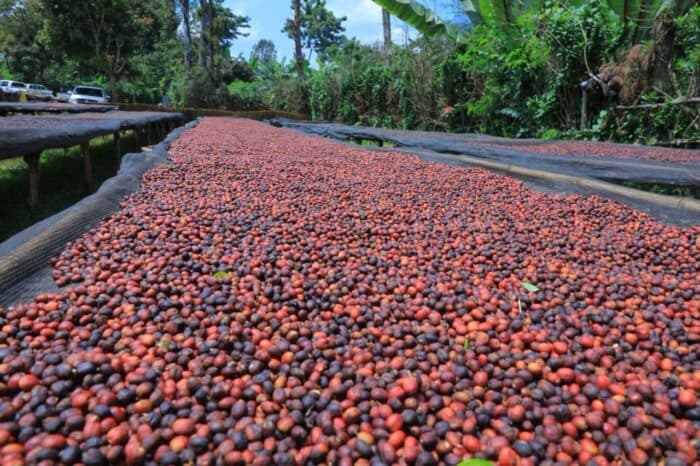
The Arabica harvest is progressing more slowly than usual. Recurring rainfall throughout May and June caused significant delays. As of June 26, the overall Brazilian harvest reached 45.2%. This is below last year’s pace of 52.1%. It is also below the historical average of 51%.
Despite the slower pace, Arabica production is forecast to increase by 27%. This growth drives the total crop estimate to 75.4 million bags. Early quality indicators align with expectations for a high-volume crop. Screen 17+ beans account for around 25% of harvested volumes.
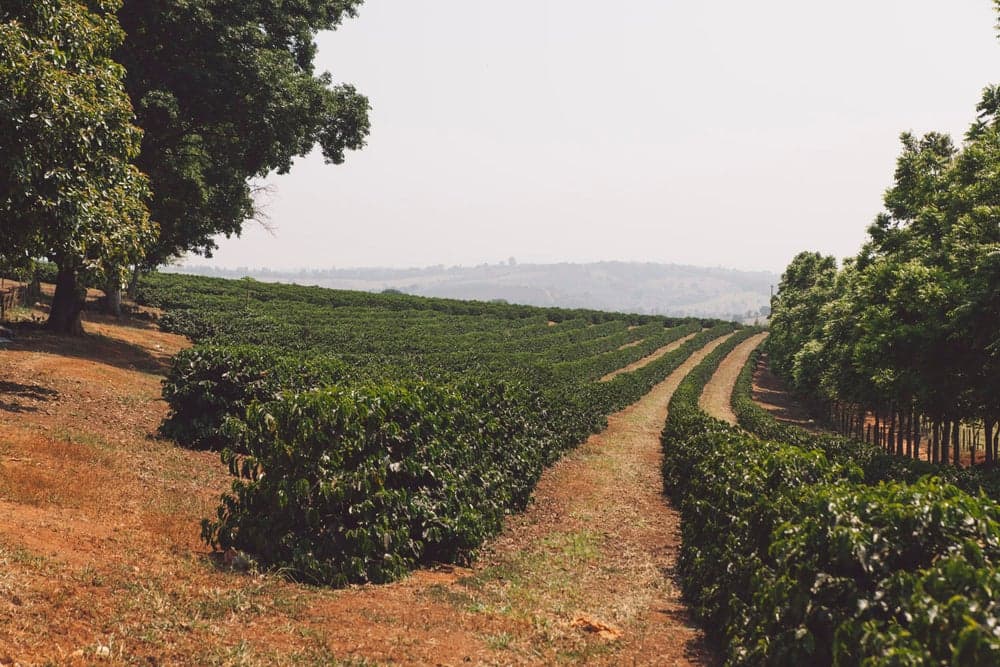
In addition, the recurring rains have supported tree health. Vegetative growth remains strong. This suggests a positive outlook for the 2027/28 crop as well.
Robusta Harvest Behind Schedule
The Robusta harvest is also behind schedule. The primary reason is a later-than-usual maturation cycle. Weather disruptions are not the main factor. Harvest activity began within the usual window in April and May. However, progress has been significantly slower than normal.
Completion is expected by the end of July. Robusta production is forecast to decline slightly by approximately 4% year-on-year. Nevertheless, early quality has been encouraging. Around 70% of beans grade screen 13 and above. Overall quality remains strong. This supports expectations for a solid crop despite the delayed harvest.
| Indicator | Value |
|---|---|
| Total forecasted crop | 75.4 million bags |
| Arabica production growth | +27% year-on-year |
| Harvest progress (as of June 26) | 45.2% |
| Arabica screen 17+ quality | 25% of harvested volumes |
| Robusta screen 13+ quality | 70% of harvested volumes |
| Robusta production change | -4% year-on-year |
Sustainability Efforts Gain Momentum
Sucafina’s sustainability efforts continue to expand. The company is advancing the re-verification of IMPACT producer groups. These groups span the Cerrado, Mogiana, Sul de Minas, and Conilon regions. This process reinforces commitment to responsible sourcing and high-quality standards.
In 2026, the team in Brazil aims to expand IMPACT verification by approximately 16%. The strongest growth is expected across Arabica-producing regions. Matas de Minas has been identified as a strategic priority. Updated participation figures are expected by September.
Regenerative Agriculture Through IMPACT Beyond
Through IMPACT Beyond, Sucafina deepens its focus on regenerative agriculture. Producers receive assistance on multiple fronts. This includes low-carbon fertilizers, composting, and irrigation management. Soil health assessment uses Embrapa’s BioAS methodology.
BioAS adds a biological layer to routine soil testing. It measures the activity of two enzymes: arylsulfatase and beta-glucosidase. This provides real-time data on soil health, sustainability, and productive potential. Early detection of degradation helps build long-term soil resilience.
So far, the program has set over 45 demonstration plots. Around 50 producers have received training. This gives farmers practical, field-based learning opportunities.
SEMEIA and RE.CO.LHA Lead the Way
2026 marks a pivotal year for IMPACT Beyond. Two flagship initiatives are moving from planning to implementation: SEMEIA and RE.CO.LHA.
RE.CO.LHA operates across Brazil’s Arabica regions. These include Cerrado, Mogiana, and South Minas Gerais. The program runs on a four-year cycle. It targets 300 farms with technical assistance, farmer training, and on-farm interventions. The goal is to improve soil health, cut production costs, and lower carbon emissions.
SEMEIA is now in its first year. It is transforming Brazil’s Robusta sector. In just 12 months, the program has conducted more than 100 soil analyses. These cover physical, chemical, and biological indicators. It has distributed more than 120 tonnes of low-carbon fertilizers. Farm carbon footprints have been measured. Through a partnership with EMATER-MG, production cost analyses give producers clearer visibility into their costs.
“It is incredibly rewarding to see the positive feedback from farmers. What stands out most is our collaborative approach, aligning farmers’ needs with what investors expect. It is a challenge, but an inspiring one, because every step forward builds a more sustainable and profitable future for the communities we support.”
— Mariana Martins, Sustainability Manager at Sucafina Brasil