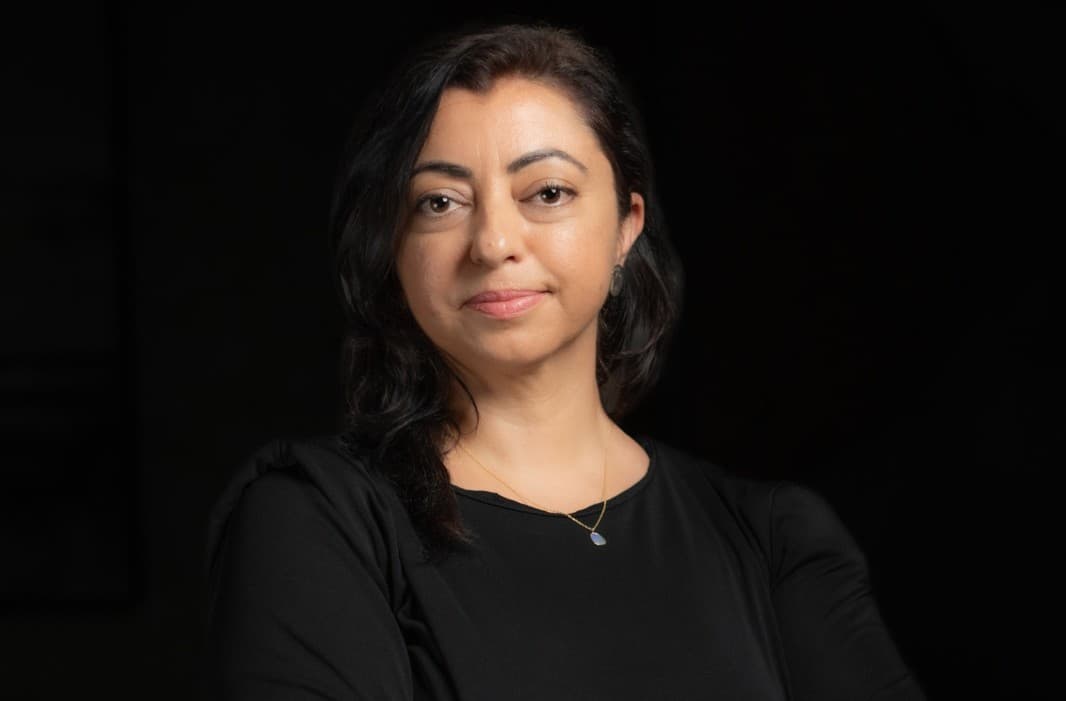
Dubai – Ali Alzakary
In the realms of architecture and interior design, some merely define walls, while others weave stories into the very fabric of a space. Our guest today, the visionary Elif Aydın Çınar, belongs to that rare echelon of designers who transform silent voids into living poetry. As the Head of Design at BAFER, Elif brings 19 years of expertise—honed across diverse cultures and scales—to create a masterful balance between “operational logic” and “spatial emotion.”
In this exclusive interview, we delve behind the scenes of the Julith Coffee Shop design. We explore how Elif channeled her deep-rooted Turkish coffee heritage into a contemporary masterpiece, and how she translates a brand’s soul into textures, light, and angles that offer more than just a seat—they offer sanctuary. Join us as we discover how design becomes the ultimate bridge between the coffee bean and the human spirit.
Qahwa World: As the Head of Design at BAFER and a leader in architecture and interior design, could you please introduce yourself and share how your 19-year journey has prepared you to design spaces that resonate with a discerning audience, like our Qahwa World readers?
Elif Aydın Çınar: I am Elif Aydın Çınar, Head of Design at BAFER. My journey in architecture and interior design spans nearly 19 years, covering residential, commercial, hospitality, and experience-driven spaces. Over time, my role has evolved from designing individual interiors to shaping holistic spatial narratives. Working across diverse scales and cultures—particularly in Dubai—has refined my ability to design spaces that balance clarity, emotion, and operational logic. Today, I focus on creating environments that resonate with discerning audiences who value intention, craftsmanship, and spatial intelligence.
Qahwa World: As the Head of Design at BAFER, what is the core design vision you strive to achieve across all of BAFER’s projects, from hotels to commercial spaces?
Elif Aydın Çınar: At BAFER, our core design vision is to create spaces that communicate quietly yet powerfully. We prioritize spatial clarity, material honesty, and long-term relevance over short-lived trends. Whether designing hotels, cafés, or commercial environments, our goal is to build spaces that support human behavior, elevate daily rituals, and remain emotionally engaging over time.
Qahwa World: BAFER handles a wide range of services, including architectural design, interior design, and 3D visualization. What specific design areas do you consider your personal greatest strength?
Elif Aydın Çınar: My strongest contribution lies in concept development and spatial storytelling. I focus on translating brand identity, user psychology, and operational needs into a coherent spatial language. The early conceptual phase—where strategy, atmosphere, and experience are defined—is where I bring the greatest value. Digital visualization and narrative-driven presentations are tools I use to communicate intention clearly, not to over-stylize the design.
Qahwa World: As a Turkish woman, you come from a culture with a deep, historic coffee tradition. How did your personal and cultural understanding of the Turkish coffee ritual influence your design decisions for the Julith Coffee Shop?
Elif Aydın Çınar: Coming from a culture where coffee is deeply embedded in daily life and social interaction, I grew up perceiving coffee as a moment of awareness rather than a rushed habit. This sensitivity strongly influenced my approach to the Julith Coffee Shop. As a specialty coffee roastery, Julith required a design that respects precision, craftsmanship, and process. The space was shaped to highlight coffee as a journey—from sourcing and roasting to brewing and tasting—allowing customers to engage with the craft while experiencing a sense of calm and focus.
Qahwa World: Is there a specific design element, material, or approach in the Julith Coffee Shop that pays homage to the Turkish coffee house tradition, or any special memory you associate with coffee?
Elif Aydın Çınar: The sense of place at Julith is created through material restraint, visual transparency, and spatial sequencing. Instead of referencing historical coffee houses, the design draws from contemporary specialty coffee environments where authenticity and process visibility are key. My personal connection to coffee has always been tied to observing the craft—the rhythm of preparation, the sound of equipment, and the patience required. These impressions informed a design language where light, texture, and proportion frame the coffee-making process without distraction, allowing the product to lead the experience.
Qahwa World: How did the design approach for the Julith Coffee Shop differ from designing a residential apartment or a large-scale hospitality project?
Elif Aydın Çınar: Designing Julith differed significantly from both residential projects and large-scale hospitality developments. Residential design is intimate and inward-focused, while large hospitality projects rely heavily on standardized systems. Julith required a micro-hospitality approach, where every spatial decision directly impacts customer perception. The challenge was to merge operational efficiency with emotional warmth in a compact yet highly expressive environment.
Qahwa World: What is the single most important design element you chose in the Julith Coffee Shop to communicate its unique brand narrative or enhance the customer’s feeling about the coffee?
Elif Aydın Çınar: The most important design element in Julith is the material palette and its disciplined restraint. Rather than relying on overt branding, the space communicates quality through texture, proportion, and light. This approach reinforces Julith’s identity as a roastery that values craft, focus, and authenticity—where the design supports the coffee rather than competing with it.
Qahwa World: What specific design choice did you make in the layout of the Julith Coffee Shop to ensure the customer’s journey was seamless and memorable?
Elif Aydın Çınar: A crucial layout decision was establishing a clear visual and spatial axis from entry to the bar, guiding customers intuitively through the space. Circulation was designed to minimize congestion while offering varied seating experiences—short visits, longer stays, and quieter zones. This ensures a seamless journey that feels natural, efficient, and memorable.
Qahwa World: As a woman leading the design department, what has been the most significant challenge you have overcome, and what inspires you to push creative boundaries?
Elif Aydın Çınar: Leading the design department within a company that also executes construction requires constant balance between creativity and practicality. As a woman in this dual-discipline environment, the greatest challenge has been protecting design integrity while navigating technical and budgetary constraints. What drives me forward is the belief that well-considered design has a tangible impact on behavior, well-being, and culture. In parallel, as a cat rescuer, compassion and care are values I consciously carry into my work. Supporting stray animals and creating awareness around this responsibility is part of who I am and how I lead design decisions. While Julith is not a themed space, the calm, respectful atmosphere reflects a broader mindset: spaces should be gentle, inclusive, and mindful—not only toward people, but toward all living beings we share the city with.
Qahwa World: Based on your nearly two decades of experience, what is the most essential piece of advice you would offer to young architects and interior designers today?
Elif Aydın Çınar: My most important advice is to prioritize depth over speed. Build strong fundamentals, observe how people truly use space, and understand construction as much as design. Visual recognition comes later. A meaningful design voice develops through patience, discipline, and empathy—qualities that ultimately define long-lasting and impactful work.