DUBAI – ALI ALZAKARY
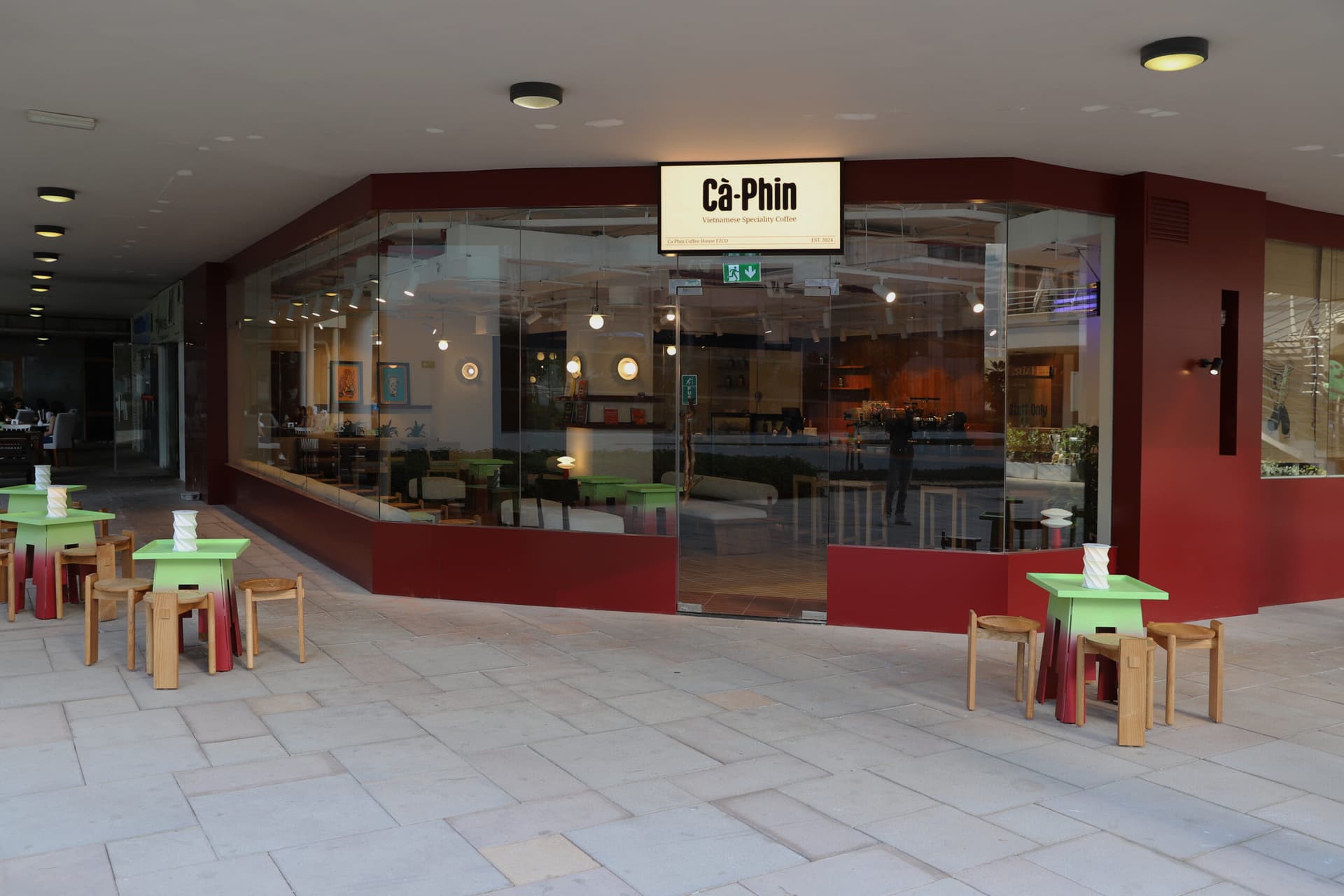
When Tobbi Vu opened Caphin in JLT, she wasn’t simply launching another café in Dubai’s crowded coffee market. She was bringing a piece of Vietnam with her — its flavors, its rhythm, its street culture, and its way of gathering.
For Tobbi, Vietnamese coffee is not about beige interiors or perfectly styled drinks. “In Vietnam, coffee is a daily thing,” she says. “You sit on the road with friends. It doesn’t need to be so fancy.”
Just one month after opening quietly, without a grand announcement, Caphin is already drawing curious office workers, returning travelers, and coffee lovers eager to try something different. In this conversation, Tobbi shares why she shifted from bean trading to building an experience, the challenges of launching in Dubai’s F&B sector, and why quality — not franchising — is at the heart of her expansion plans.
- “We didn’t even plan to open a café.”
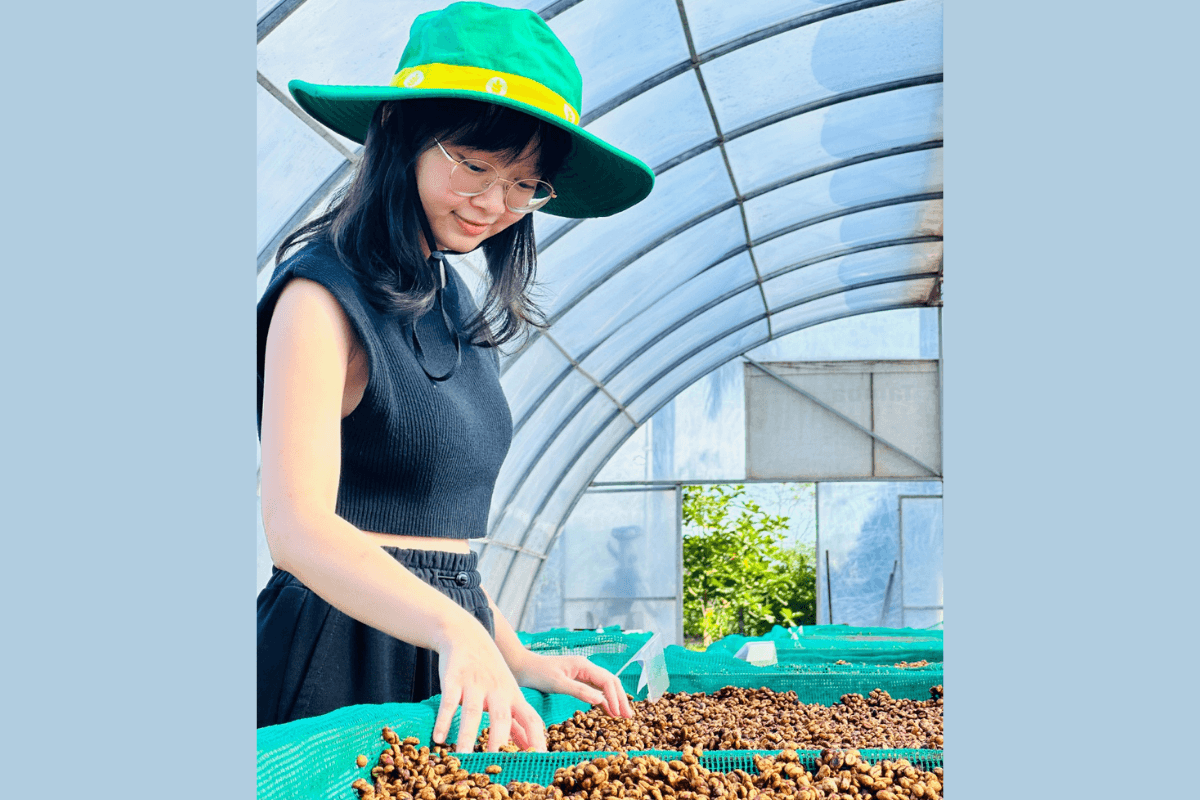
At first, Tobbi’s plan was straightforward: bring Vietnamese specialty coffee beans to Dubai.
“There were no Vietnamese specialty beans here,” she explains. “In the beginning, we just wanted to bring the beans.”
She considered trading green beans or roasted beans, but something didn’t feel complete.
“How do we get Vietnamese coffee to approach people? How can they understand it?” she says. “That’s why we started making drinks.”
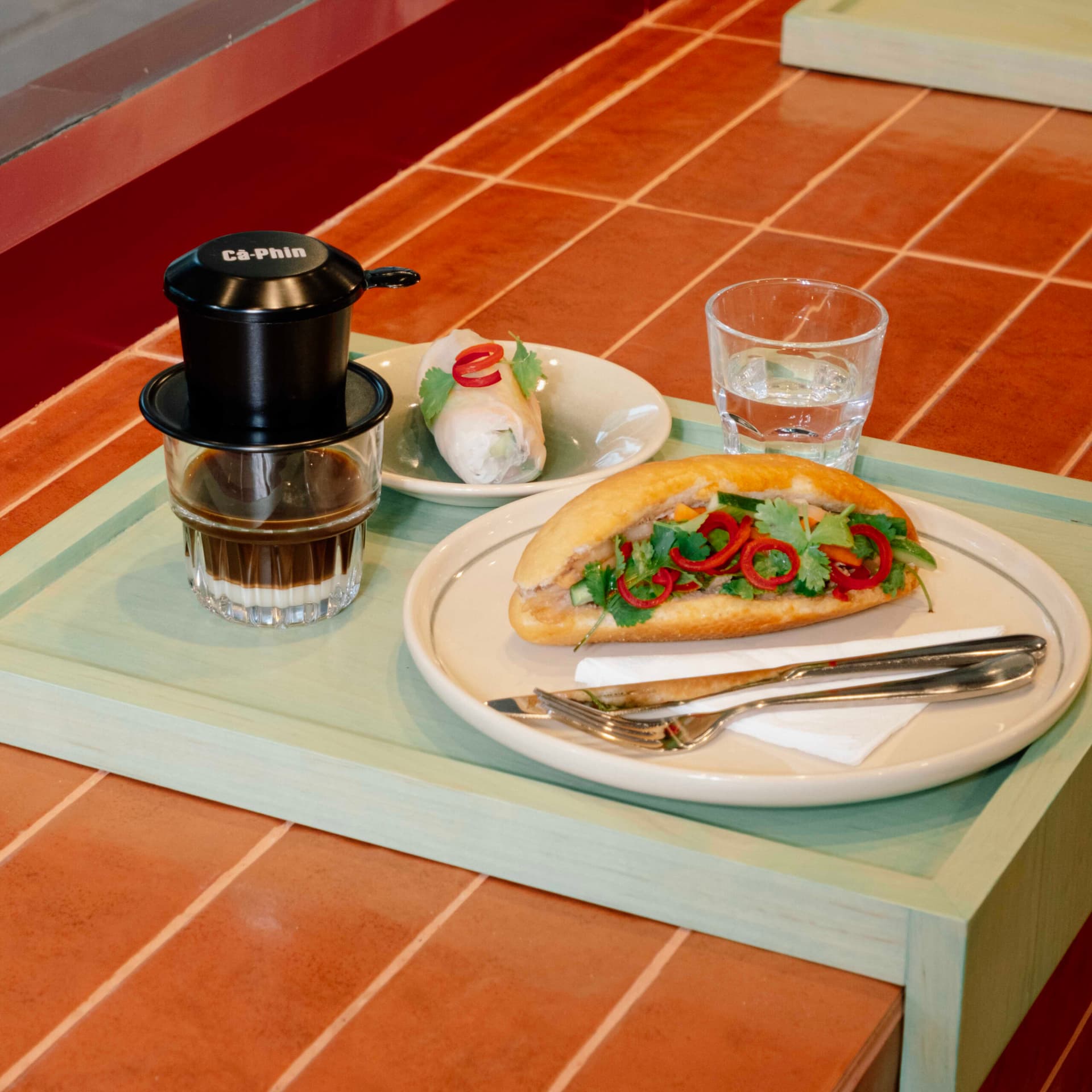
Vietnamese coffee, as she describes it, isn’t another version of an American latte. It’s coffee with condensed milk, coconut, egg — combinations that are everyday in Vietnam but new to many in Dubai.
“It’s basically what we drink in Vietnam,” she says. “We don’t drink American style there.”
Before committing to a permanent location, Tobbi launched a series of pop-ups. The reaction surprised her.
“We opened several pop-ups, and after they ended, people kept asking where we were located,” she recalls. “That’s when we realized we needed a place.”
- A Café Designed for Connection
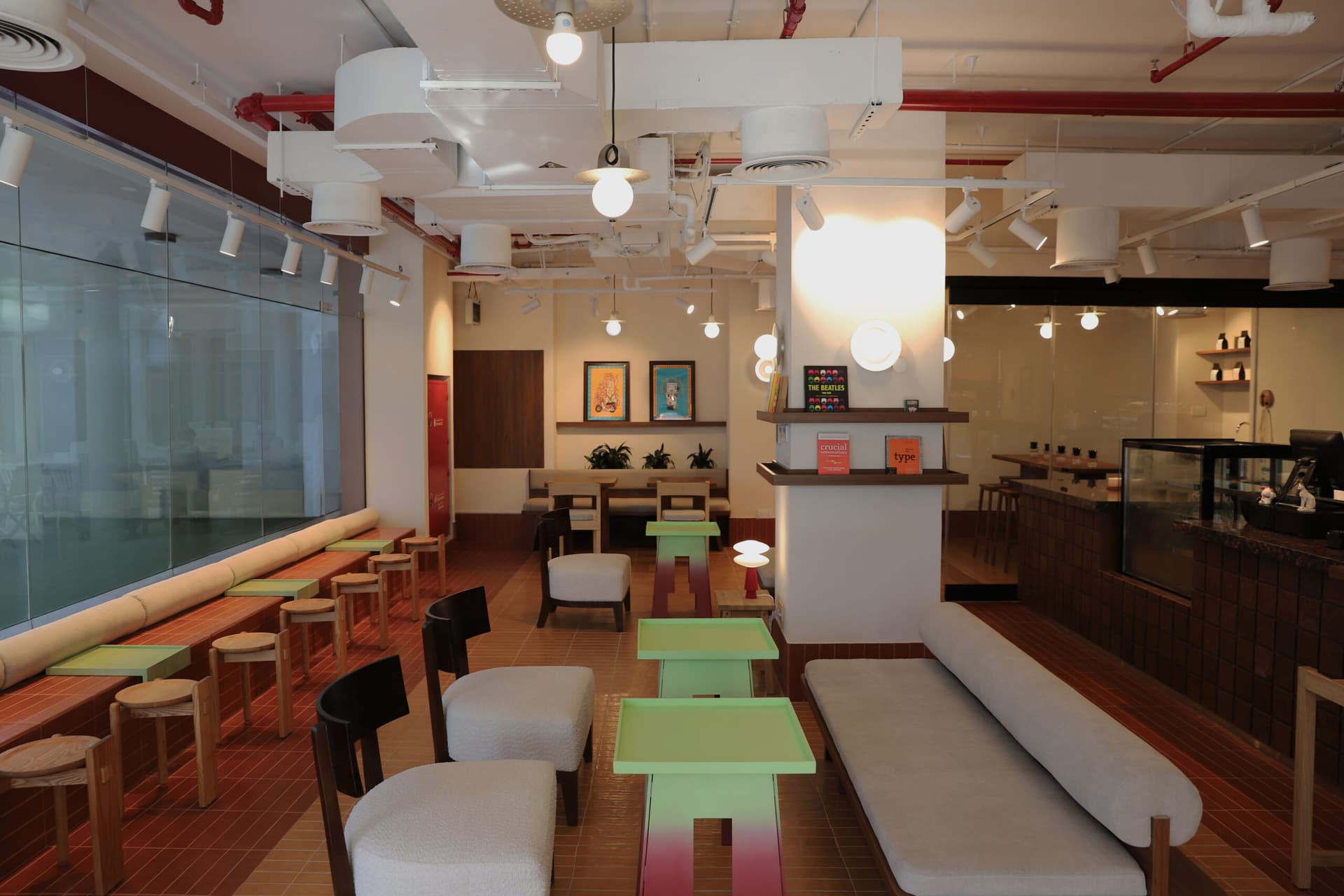
Caphin stands apart not only in flavor but also in atmosphere.
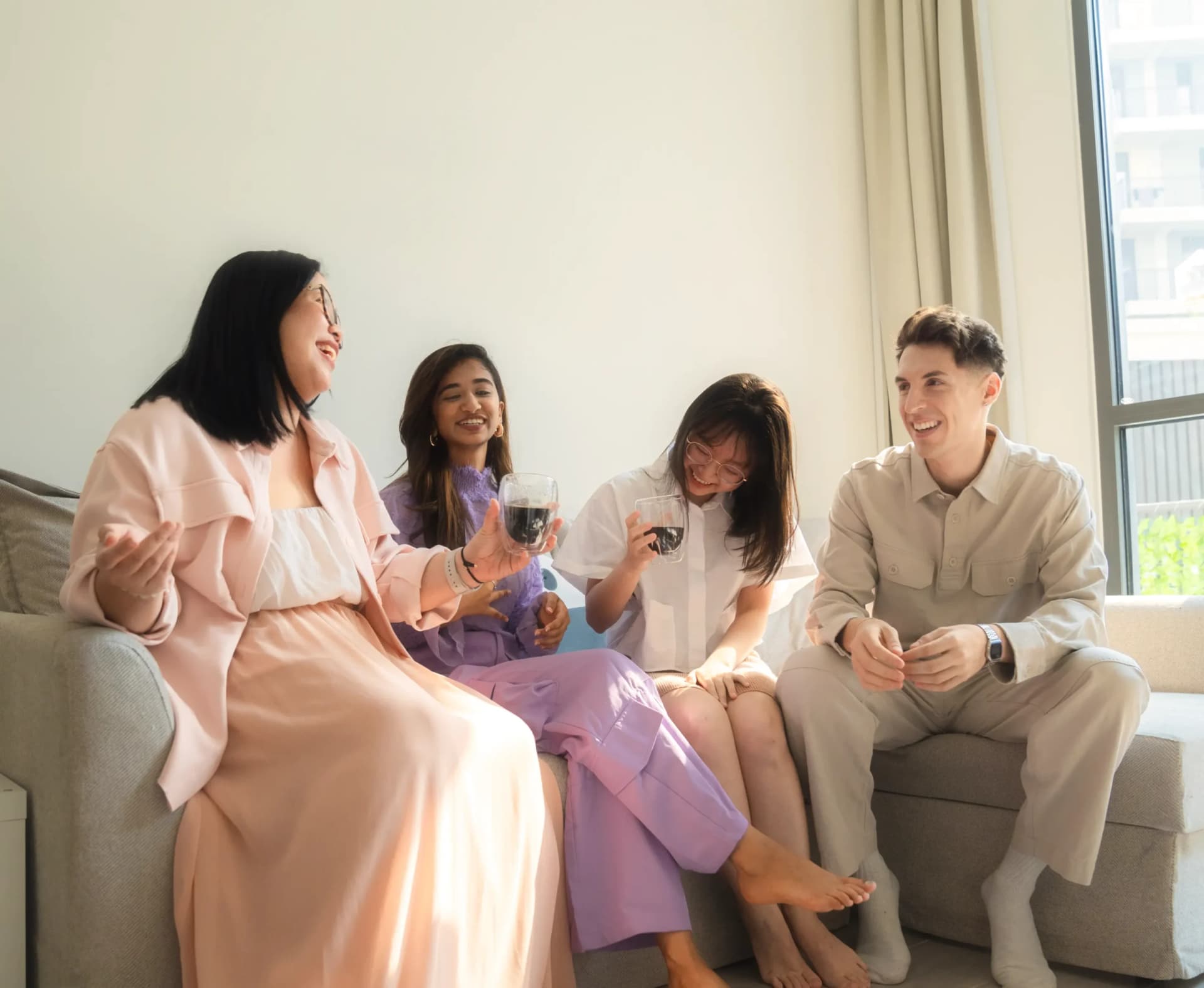
“To be fair, here you see a specific aesthetic — clean, beige, white, everything fancy and posh,” Tobbi says. “But in Vietnam, coffee is different. It’s casual. You sit outside, you talk for hours.”
She intentionally created a space that encourages socializing rather than working long hours on laptops.
“We have a small area if you need to work,” she explains. “But it’s not really a laptop-friendly café. You don’t need to work overtime every day. You need a social life. Come here, meet friends, talk.”
For Tobbi, the goal is simple: create a place where people feel relaxed, not rushed.
“It’s not just for photos,” she says. “It’s for you to have your moment.”
- The Drinks People Keep Coming Back For
Although Caphin has only been open for a month, some drinks are already clear favorites.
“Our best-selling drink is Salted Coffee,” Tobbi shares. “People try it, then tell other people.”
The second best-seller is Sapa Coffee, a dessert-style coffee served in a small cup.
“It’s very small,” she says with a smile. “A lot of people order a second cup immediately. Some ask us to make it bigger, but if we increase the size, maybe they won’t like it anymore.”
Caphin also serves Coconut Coffee and the well-known Vietnamese Egg Coffee.
“A lot of people have heard about egg coffee but never tried it,” she says. “We use pasteurized eggs because of regulations.”
Each drink reflects what she describes as real Vietnamese coffee culture — not adapted trends, but authentic habits.
- Learning the F&B Industry from Scratch
Opening in Dubai’s food and beverage sector came with unexpected complexity.
“This is the first time we do F&B,” Tobbi admits. “We didn’t know anything. Even how to design the bar or kitchen.”
Regulations, inspections, and adjustments became part of the journey.
“It’s a learning curve,” she says. “There are so many regulations you need to follow and understand.”
Despite the challenges, she views the experience positively — as preparation for future growth.
- Strength in Concept, Challenge in Awareness
In a competitive market like Dubai, Tobbi sees both strengths and weaknesses clearly.
“Our power is the concept,” she says. “We have something new.”
Many customers who have traveled to Vietnam come looking for the flavors they experienced there. Caphin offers that familiarity — but also surprises, since drinks can vary from region to region.
At the same time, she acknowledges the need for stronger visibility.
“We opened very quietly,” she says. “So now it’s mostly organic. Marketing and awareness — that’s something we need to build.”
- Expansion — But Not Franchising
When asked what success looks like after the first year, Tobbi answers honestly.
“First, you check the account,” she says. “If the numbers are there, that’s success.”
But growth is also part of the vision. She plans to open more branches — just not through franchising.
“It’s very hard to control quality in a franchise,” she explains. “I go every day to check quality.”
She describes a regular customer who orders the same drink daily and immediately notices if anything changes.
“That’s why consistency is important. Everything needs to be perfect.”
Future locations will still focus on Vietnamese specialty coffee, but each one will have a slightly different concept tailored to its location.
“I don’t want copies,” she says. “Each location should have something unique.”
- One Month In — and Just Beginning
Caphin has been open for just one month. Mornings bring office workers from nearby buildings in JLT. Evenings bring diners discovering the café after visiting neighboring restaurants.
The journey has been slower and more complex than she first imagined.
“At the beginning, we thought we could open three shops quickly,” she says. “But we didn’t know anything. There are so many things that happen.”
Now, with experience on her side, Tobbi is taking careful steps forward.
At its heart, Caphin is more than a café. It is a cultural statement — one that invites Dubai to slow down, sit together, and experience Vietnamese coffee the way it is meant to be shared.
Gallery