Author: Qahwa world × Buna Kurs – ADDIS ABABA
Photographer: Antonio Fiorente
Date: May 26, 2026
Africa at 63: Coffee Quietly Takes Its Place in the African Union’s Continental Vision
Executive Summary
- At the 2026 Africa Day celebrations at the African Union headquarters in Addis Ababa, coffee emerged as a central element of the continent’s identity and economic vision.
- Ethiopia’s Akoya Group was the most visible private-sector presence, with an Akoya Coffee pavilion serving Ethiopian filter coffee to diplomats and guests.
- In February 2024, African heads of state formally adopted coffee as a strategic commodity under Agenda 2063 and recognized the Inter-African Coffee Organisation (IACO) as an AU specialized agency.
- The decision followed G25 African Coffee Summits in Nairobi, Kampala, and Dar es Salaam, pushing for roasting, branding, and value retention within Africa.
- Coffee supports an estimated 60 million Africans, yet the continent captures only a fraction of global coffee value, which remains concentrated outside Africa.
- AU Commission Chairperson Mahmoud Ali Youssouf highlighted Africa’s growing global role, including permanent G20 membership.
At this year’s Africa Day celebrations inside the headquarters of the African Union, coffee was never officially the central theme. And yet, across the atmosphere of the three-day commemoration – from weekend sports competitions and cultural showcases to the private-sector presence surrounding the event – the continent’s most iconic crop appeared increasingly intertwined with the larger conversation Africa is now having about identity, trade, value creation and global positioning.

Among the most visible private-sector presences throughout the celebrations was Akoya Group, the Ethiopian conglomerate whose activities span real estate, tourism, automotive and coffee export through Akoya Coffee.
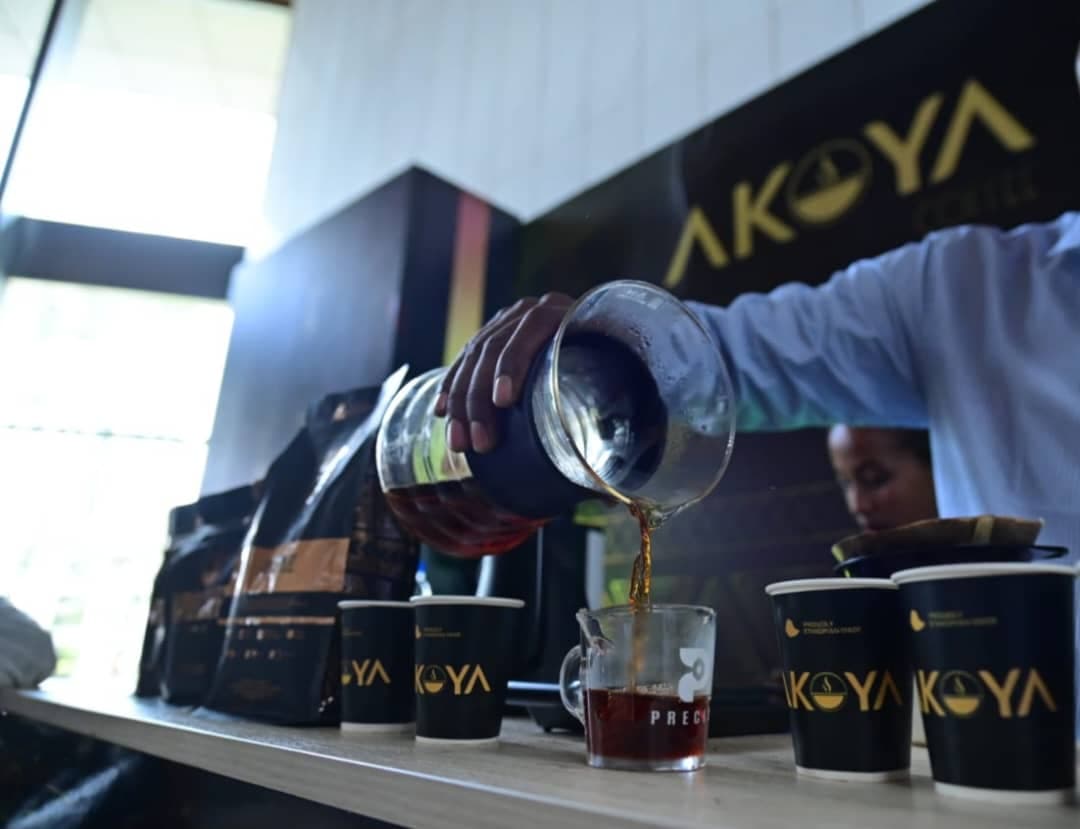
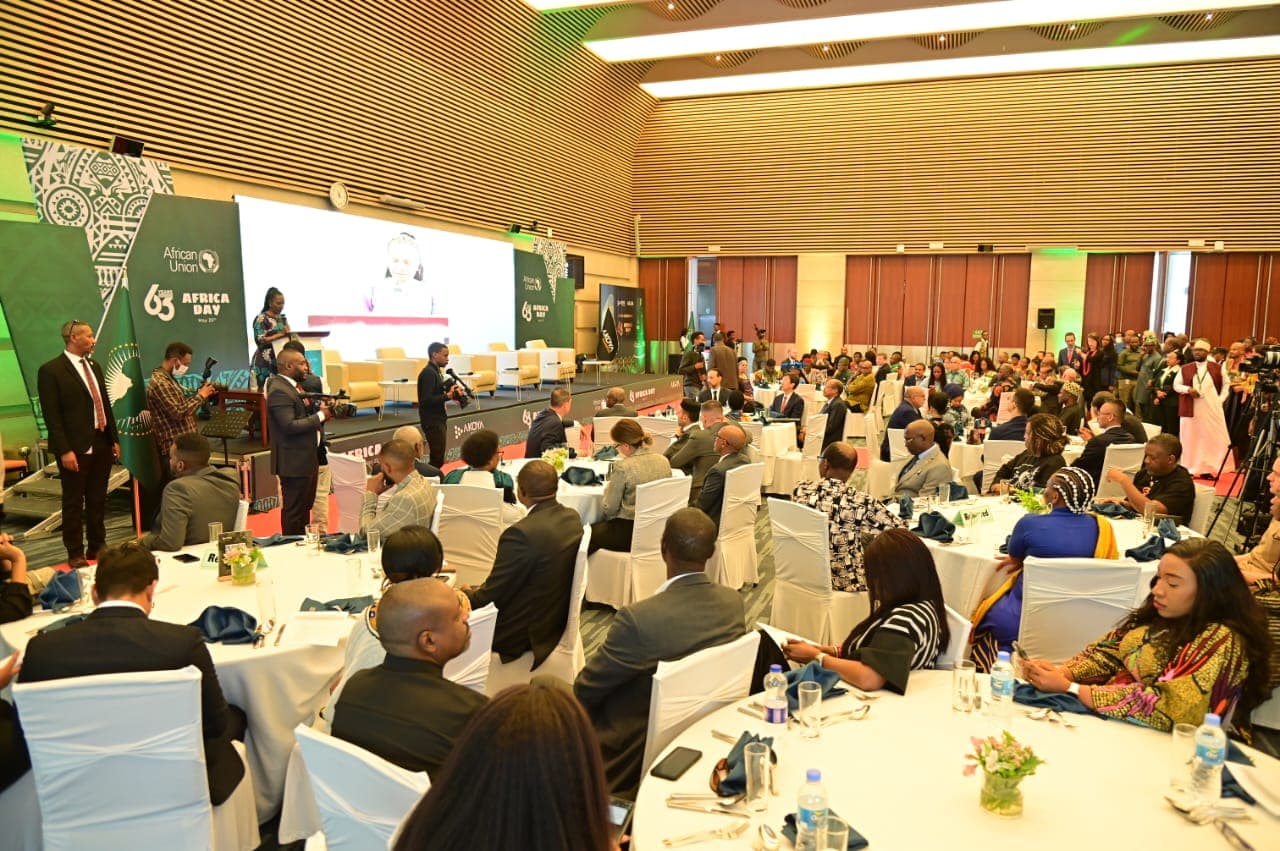
Across much of the AU compound, “Akoya Africa Day 2026” branding framed the public-facing atmosphere of the commemorations, while an Akoya Coffee pavilion at the entrance of the main ceremonial hall served Ethiopian filter coffee to diplomats, dignitaries and invited guests.
From Cultural Symbol to Strategic Commodity
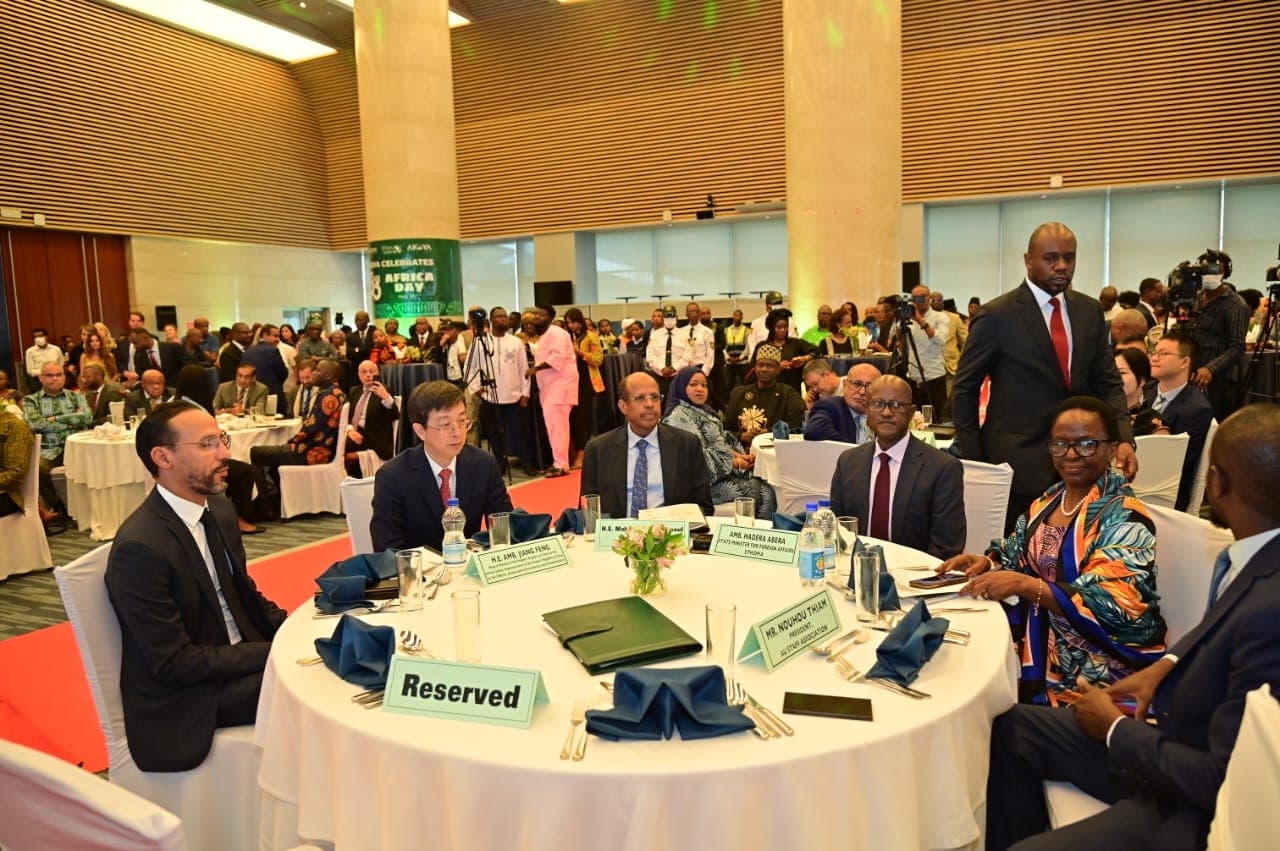
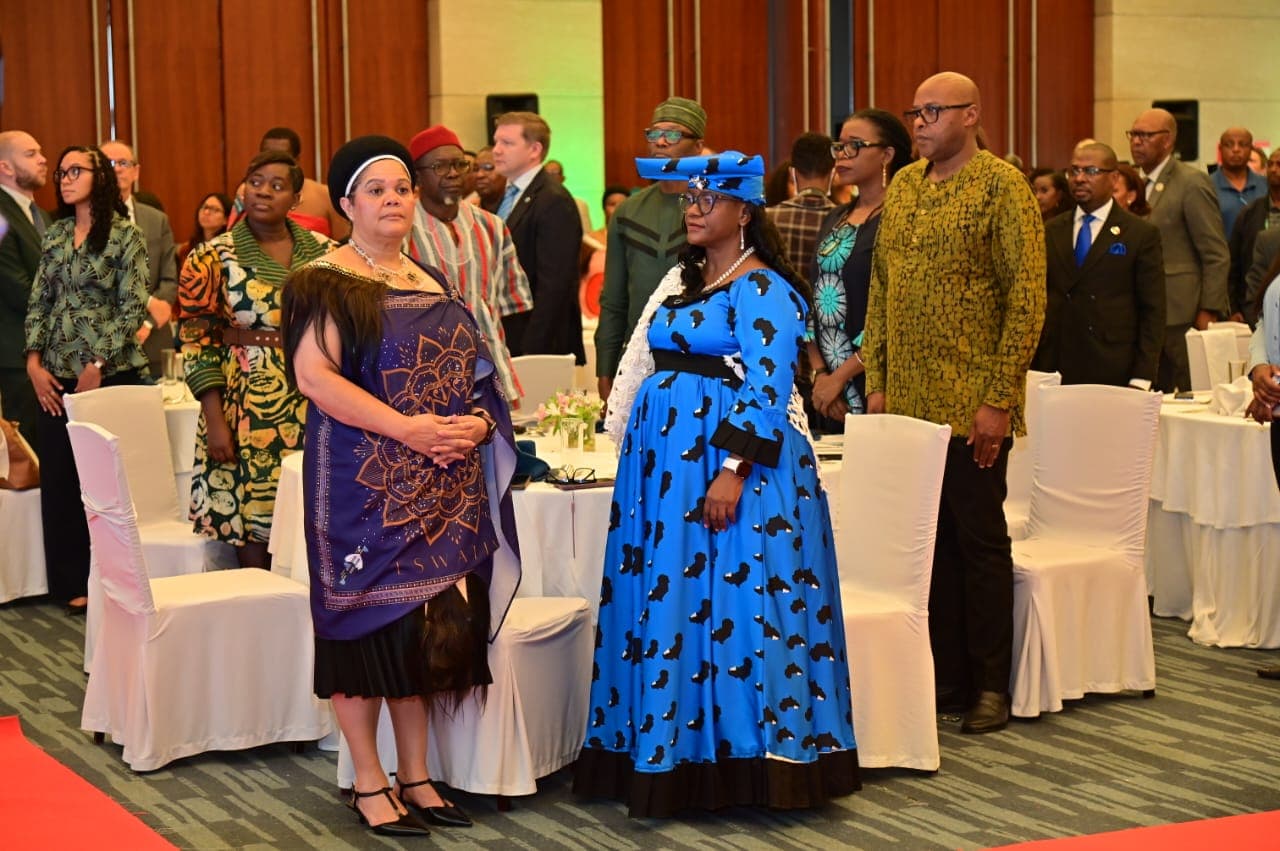
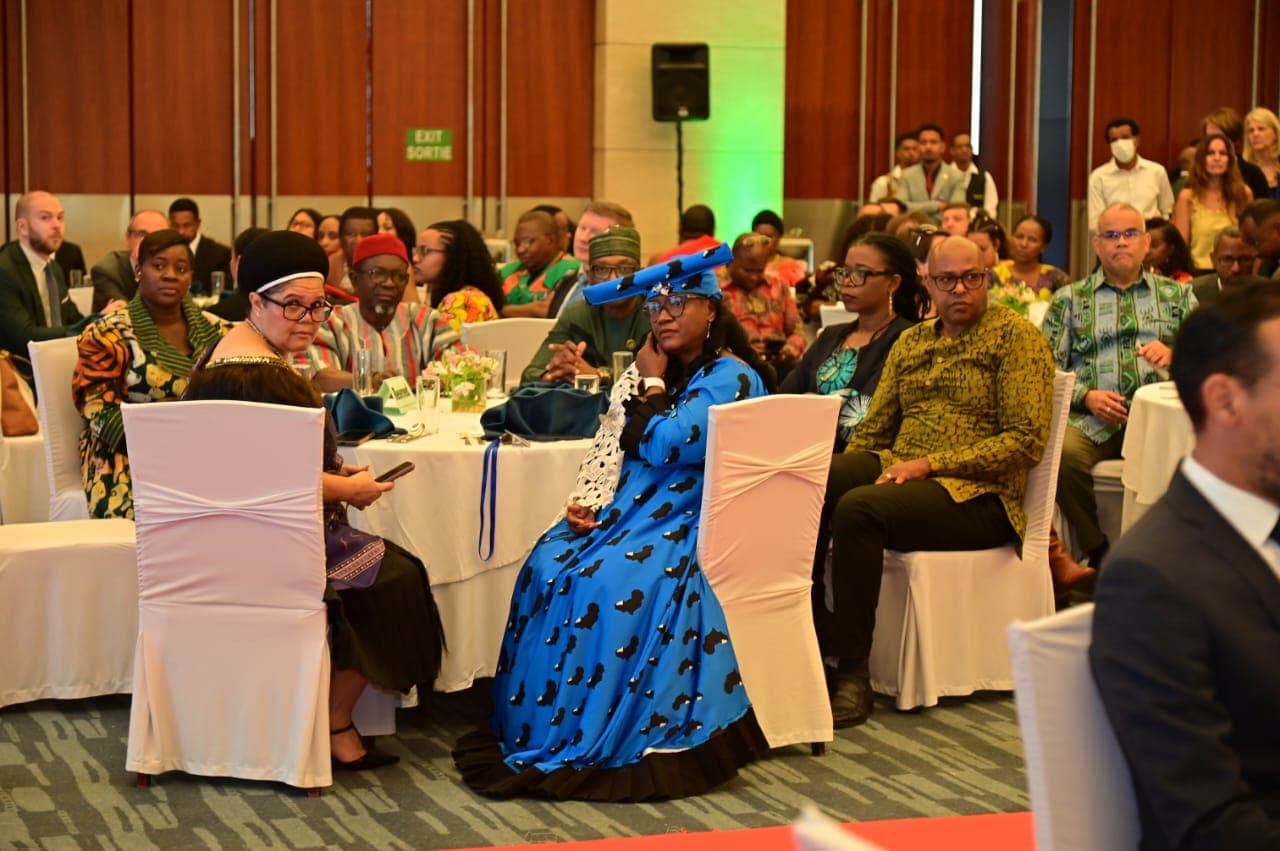
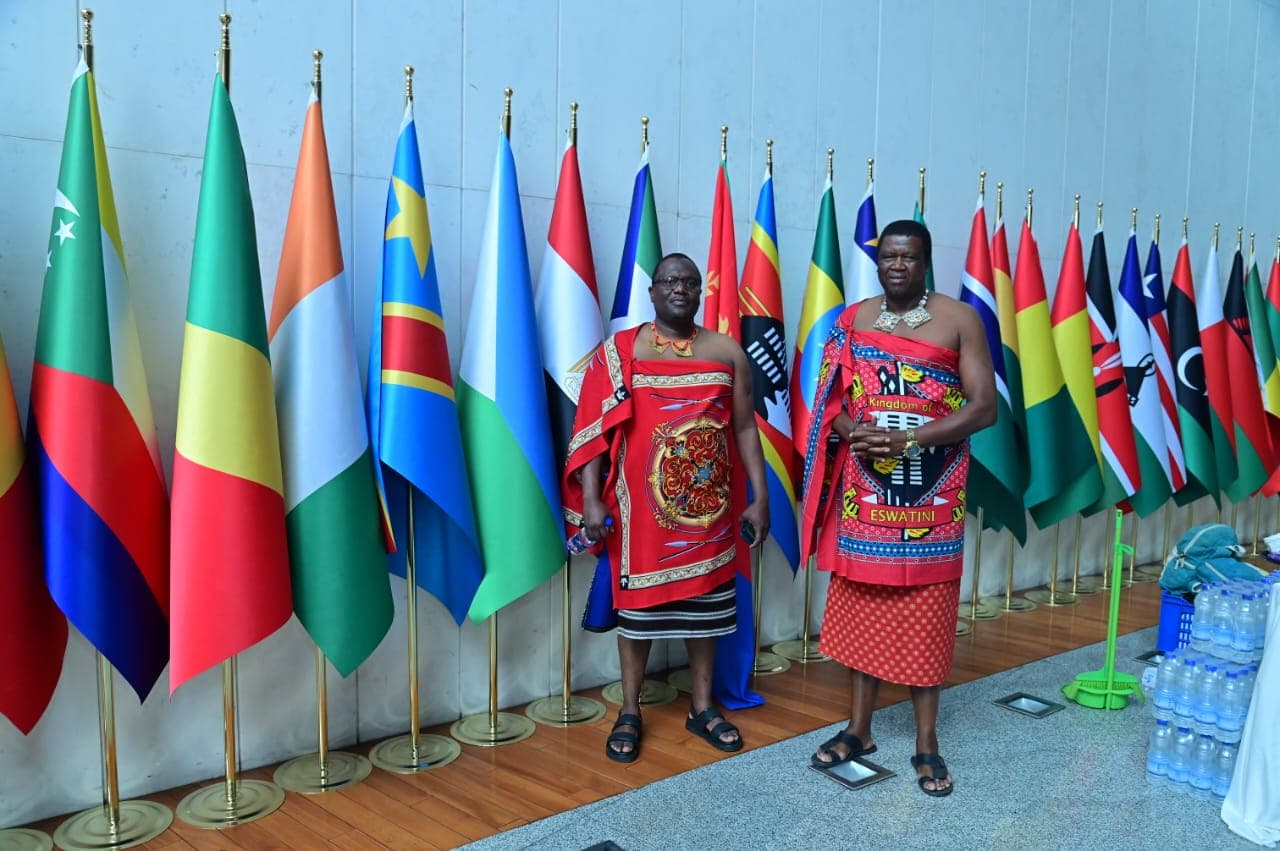
Held under the theme “Sixty-Three Years of Unity, Integration and Development – Let’s Celebrate Together,” Africa Day 2026 brought diplomats, artists, exhibitors, youth representatives and families together inside the AU headquarters in Addis Ababa, the diplomatic capital of Africa and the city most closely associated with the origins of arabica coffee itself.
As cultural performances, artisan exhibitions and public celebrations unfolded across the AU compound, coffee lingered not merely as ceremony or hospitality, but increasingly as strategy.
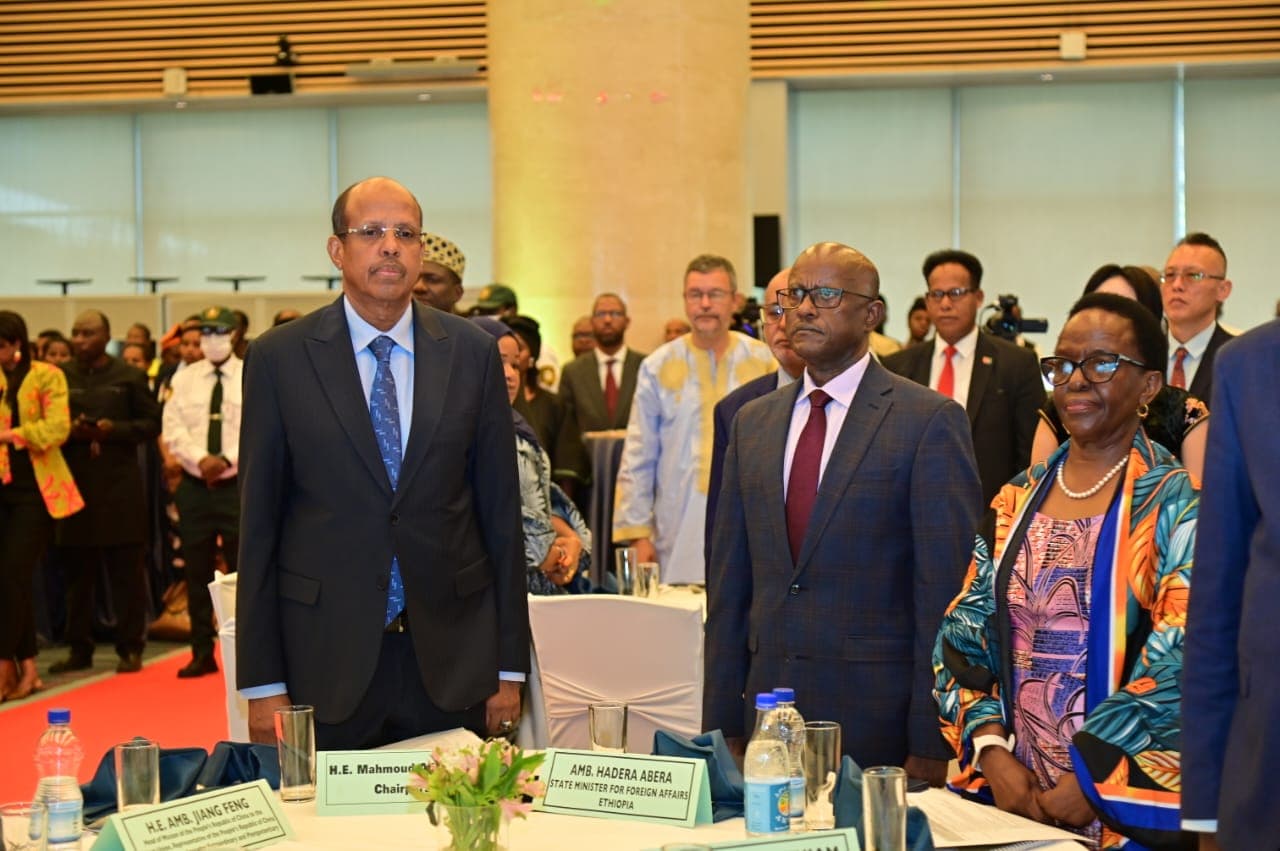
In his official Africa Day address, African Union Commission Chairperson Mahmoud Ali Youssouf described the occasion as both “a celebration of our shared heritage” and recognition of “Africa’s growing role in shaping global affairs,” while reaffirming the continent’s commitment to Agenda 2063 and deeper continental integration.

The Chairperson pointed to Africa’s growing global role, including the continent’s permanent membership in the G20, as evidence that Africa intends to participate more actively in shaping international economic discussions – a direction increasingly echoed in conversations surrounding African coffee, trade and value addition.
Coffee as a Strategic Commodity Under Agenda 2063
That shift is no longer symbolic. In February 2024, during the 37th Ordinary Session of the AU Assembly in Addis Ababa, African heads of state formally adopted coffee as a strategic commodity under Agenda 2063 while also recognizing the Inter-African Coffee Organisation (IACO) as a specialized agency of the African Union.
The move followed a series of G25 African Coffee Summits in Nairobi, Kampala and Dar es Salaam, where African leaders and sector stakeholders pushed for the continent to move beyond exporting raw beans toward roasting, branding and retaining more value on African soil.
For many within the sector, the message is becoming increasingly clear: the continent that gave coffee to the world is beginning to ask how much more of the coffee economy should remain within Africa itself.
Coffee today supports the livelihoods of an estimated 60 million Africans, yet the continent still captures only a fraction of the value generated by the global coffee economy, much of which remains concentrated in roasting, branding and retail markets outside Africa.
| Indicator | Figure |
|---|---|
| Africans whose livelihoods depend on coffee | Approximately 60 million |
| Date of adoption as strategic commodity under Agenda 2063 | February 2024 |
| G25 African Coffee Summits locations | Nairobi, Kampala, Dar es Salaam |
A Distinctly African Atmosphere
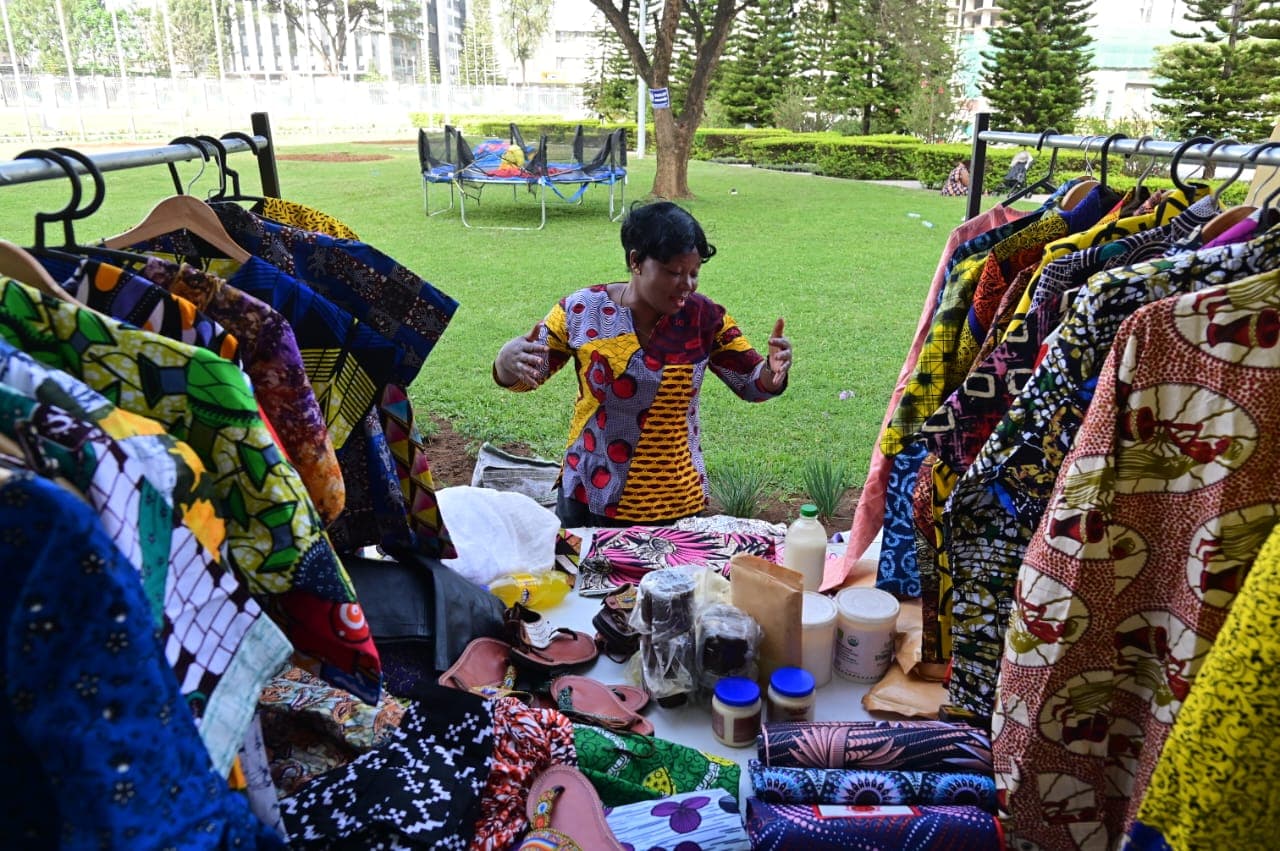
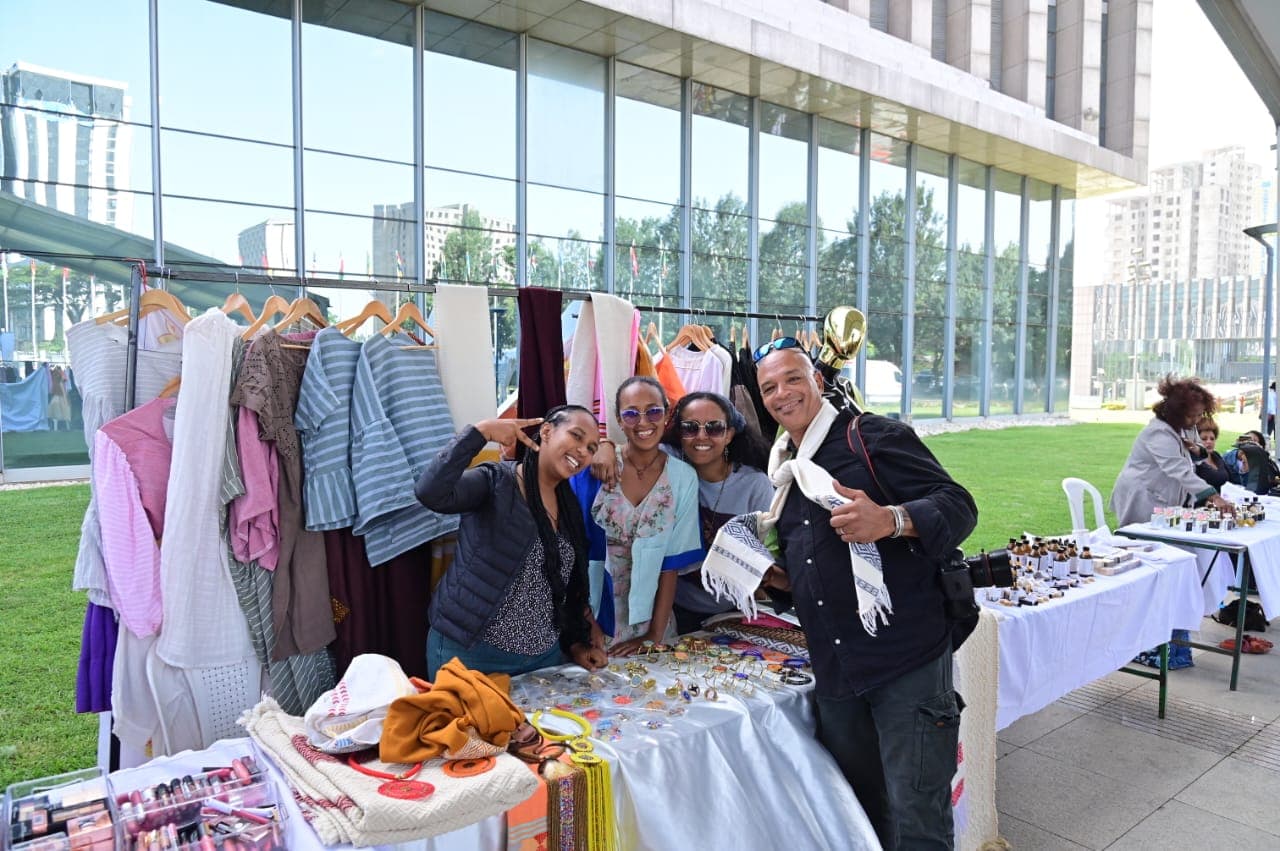
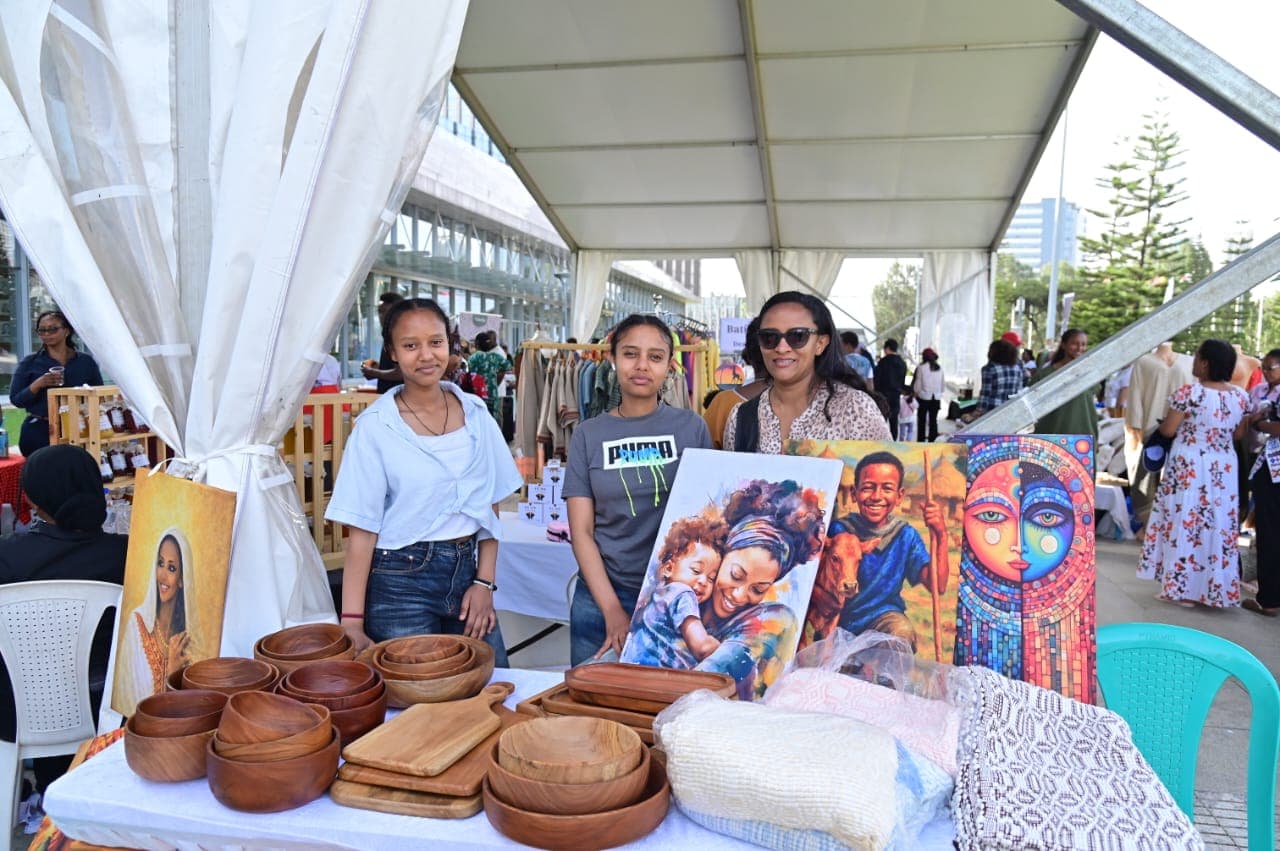
Inside the AU compound over the three-day celebration, textiles, artisan stands, music, public gatherings and coffee ceremonies blended into an atmosphere that felt distinctly African and noticeably public-facing, far removed from the often formal diplomatic image associated with the institution. And perhaps that is where the deeper symbolism of coffee at Africa Day 2026 ultimately rested. At a continental gathering built around unity, integration and development, the beverage that originated in Africa appeared quietly aligned with many of the ambitions the African Union now places at the center of Agenda 2063: local manufacturing, youth employment, cross-border trade, cultural identity and stronger African ownership over globally recognized products.
At 63, Africa is not merely celebrating its heritage. It is increasingly attempting to reclaim ownership over how that heritage is processed, valued and presented to the world.
Frequently Asked Questions (FAQ)
1. What event brought coffee into the African Union’s strategic vision?
The 2026 Africa Day celebrations at the AU headquarters in Addis Ababa, where coffee emerged as a central element of identity and economic strategy.
2. When did the AU adopt coffee as a strategic commodity?
In February 2024, during the 37th Ordinary Session of the AU Assembly in Addis Ababa, under Agenda 2063.
3. What is the Inter-African Coffee Organisation (IACO)?
It is recognized as a specialized agency of the African Union, working to advance the coffee sector across the continent.
4. How many Africans depend on coffee for their livelihoods?
Approximately 60 million people.
5. Which Ethiopian company stood out at the celebration?
Akoya Group, through its Akoya Coffee pavilion.
6. What is the main message of coffee’s presence at Africa Day?
Africa is seeking to reclaim ownership of processing, valuing, and presenting its heritage, keeping more coffee value within the continent.
Photographer: Antonio Fiorente |
Source: Qahwa World – Special coverage |
Publication date: May 26, 2026
Gallery