Dubai – Qahwa World
Global coffee prices declined at the start of the week as expectations of strong supply weighed on market sentiment, particularly with Brazil’s harvest approaching.
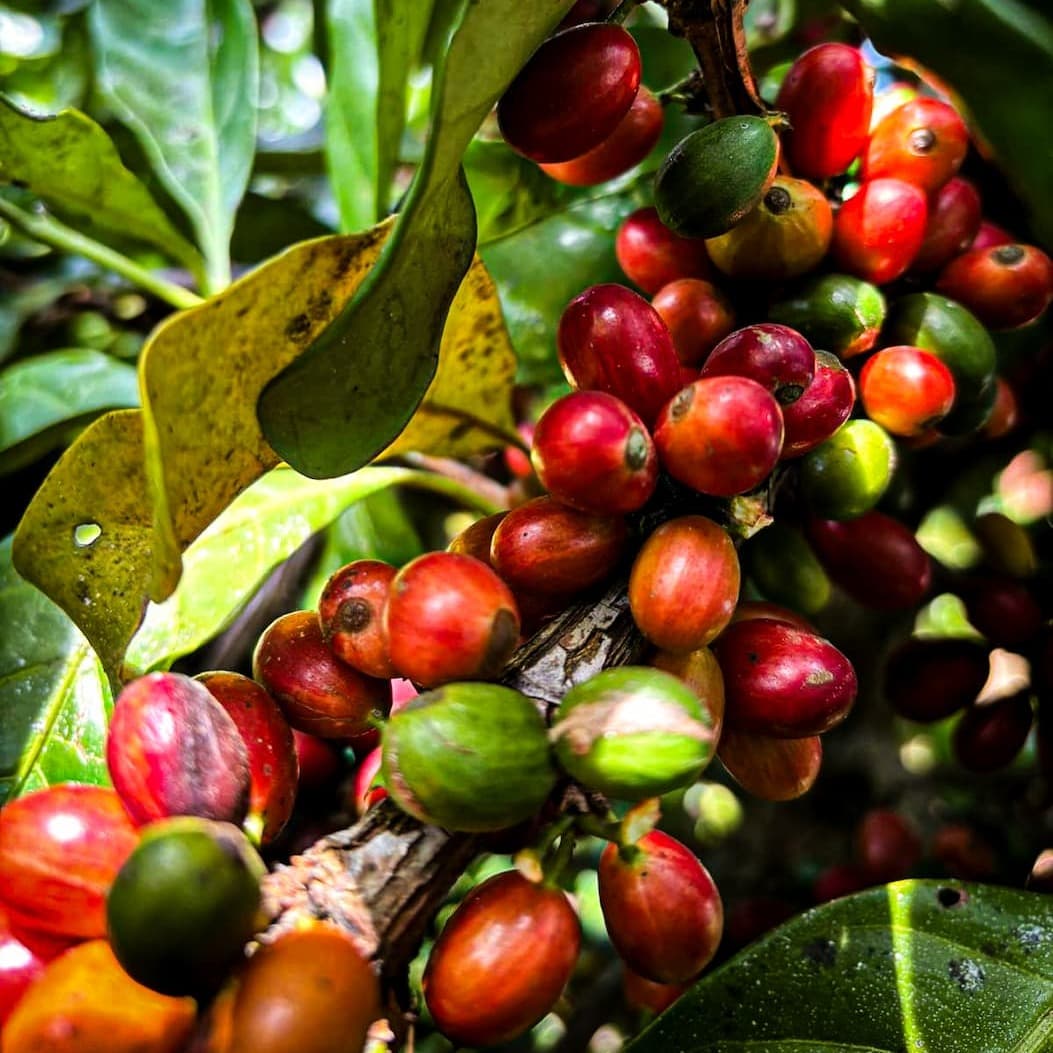
Arabica coffee had already fallen to its lowest level in several weeks, pressured by forecasts pointing to a potentially record-breaking Brazilian crop for the 2026/27 season. Analysts from multiple firms have raised their production estimates, with projections suggesting output could exceed 75 million bags. If realized, this would mark a significant increase from the previous season and reinforce expectations of abundant supply.
The global balance is also shifting. Current estimates indicate that the coffee market could move into a much larger surplus in 2026, compared to a relatively modest surplus the year before. This outlook has contributed to the recent downward trend in prices.
Vietnam is adding further pressure to the market. As the world’s leading robusta producer, the country has reported rising export volumes in early 2026, continuing the strong performance seen last year. Production is also expected to increase, reaching a multi-year high and boosting global robusta availability.
Despite the broader bearish outlook, some factors are offering limited support to prices. Robusta inventories monitored by exchanges have recently dropped to their lowest level in over a year, indicating tighter short-term supply.
There are also ongoing concerns about global trade conditions. Higher shipping and logistics costs continue to affect the coffee sector, increasing expenses for exporters and roasters and adding uncertainty to supply chains.
Meanwhile, Brazil’s recent export data shows a decline compared to the same period last year, suggesting a temporary tightening in available shipments even as larger future harvests are anticipated.
Looking ahead, global coffee production for the 2025/26 season is still expected to reach a record level. While arabica output may see a slight decrease, robusta production is forecast to rise significantly, helping to balance overall supply. Ending stocks are projected to decline modestly, indicating that while supply is strong, stock levels may not increase dramatically.