Dubai – Qahwa World
In one of the most unusual cargo theft incidents in Europe recently, a truck carrying more than 413,000 KitKat bars, with a total weight of nearly 12 tons, disappeared while en route from a factory in central Italy to Poland. The incident occurred on March 26, 2026, and neither the truck nor its contents have been recovered so far.
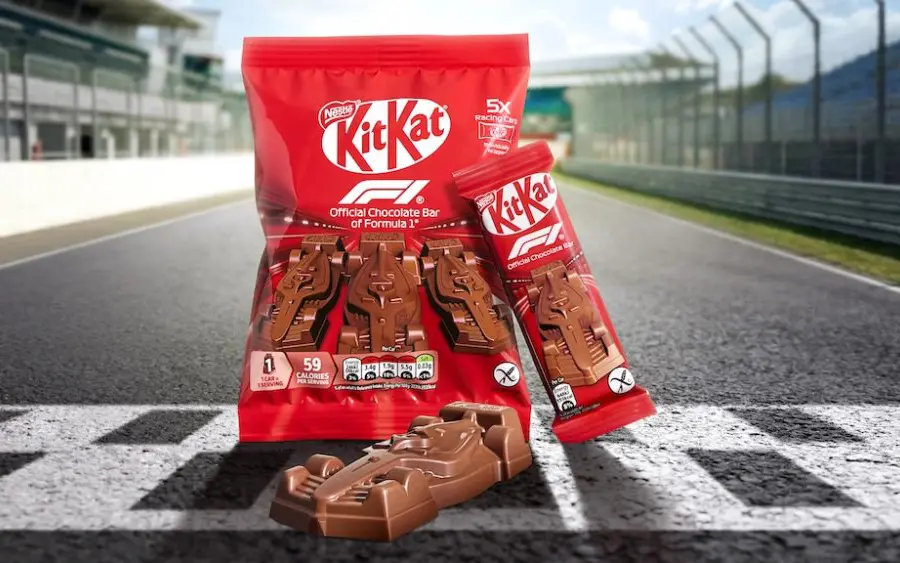
Swiss giant Nestlé, the owner of the KitKat brand, confirmed the incident in an official statement released late last week. The company said the shipment included a new range of products, among them a special edition inspired by Formula 1, with chocolate bars shaped like miniature race cars. No injuries were reported, and authorities have yet to disclose details about how the theft was carried out, though it appears to have been a highly organized operation targeting the truck on a European highway.
Instead of issuing a routine statement, Nestlé chose a different approach. On April 1, 2026, the company launched an interactive online tool called the “KitKat Tracker,” emphasizing that it was not an April Fool’s joke. The tool allows consumers to enter the eight-digit code printed on the back of any KitKat wrapper to check whether it belongs to the stolen batch. If a match is found, users are encouraged to report it so the information can be shared with authorities.
This move significantly changed consumer behavior. Buying chocolate is no longer a routine act—it now involves checking the wrapper and verifying the code. Some consumers even share their results on social media, creating widespread engagement without a traditional advertising campaign. Nestlé also noted that cargo theft has become an increasing issue in Europe, but it used this incident as an opportunity to connect with the public in a creative way.
As a result, what could have been a reputational setback turned into a widely discussed story. Media outlets covered the incident extensively, while social platforms filled with user-generated content and reactions. Although the stolen shipment could still appear in unofficial markets, the tracking tool helps make identification easier. Nestlé stated that market supply would not be significantly affected, while the media buzz has made the product even more appealing.

From a business perspective, this case stands out as a strong example of crisis management. Rather than damaging the brand, the incident strengthened consumer engagement. The product itself has not changed, but its story has become far more compelling.
As of April 4, 2026, the truck and its 413,000 chocolate bars remain missing, with investigations ongoing across several European countries. Meanwhile, consumers continue to take part in the story—buying, checking, and following updates.
In the end, this is more than just a chocolate theft. It is a story of how a major company turned an unexpected crisis into an engaging narrative that captured global attention.