Ali Alzakary – Dubai | Source: BusinessTech
Executive Summary
- Coffee species: Coffea racemosa – one of the rarest in the world
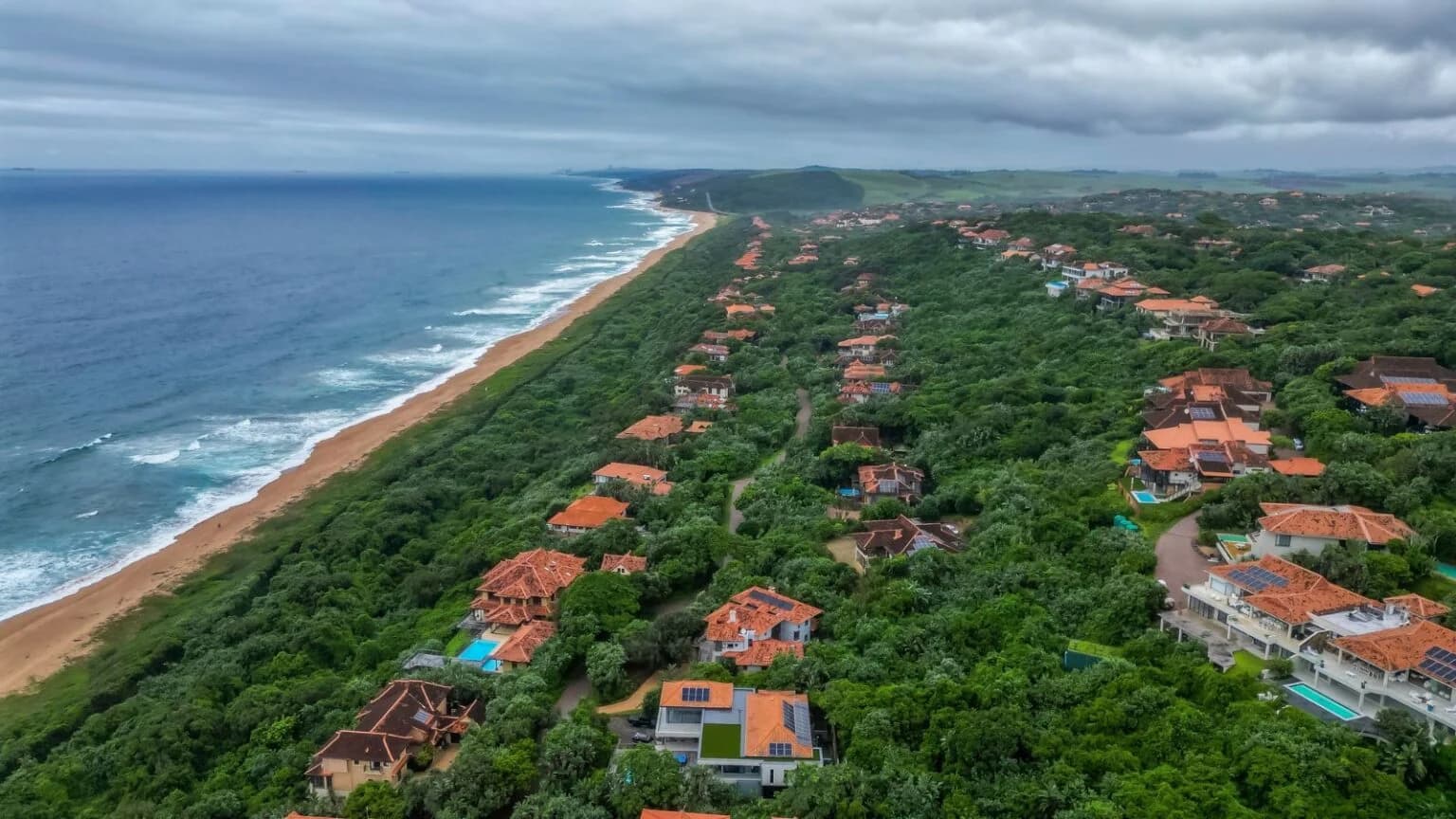
- Location: KwaZulu-Natal North Coast, South Africa (Ballito and Hluhluwe)
- Key grower: Charles Dennison, founder of Cultivar Coffee and Racemosa Coffee
- Current cultivation: ~15,000 trees propagated over 10 years
- Annual output (2025): ~350 kg (equal to one small café’s consumption)
- Export markets: 15 countries (high-end specialty roasters)
- Unique flavor: Blackcurrant, herbs, camphor, mint (some detect cannabis-like aroma)
- Climate resilience: Survives low rainfall, drought, cold; needs no spraying or irrigation
- Conservation status: Protected on IUCN Red Lists (like black rhino)
- South Africa farms: Hold approximately 90% of what exists in Africa
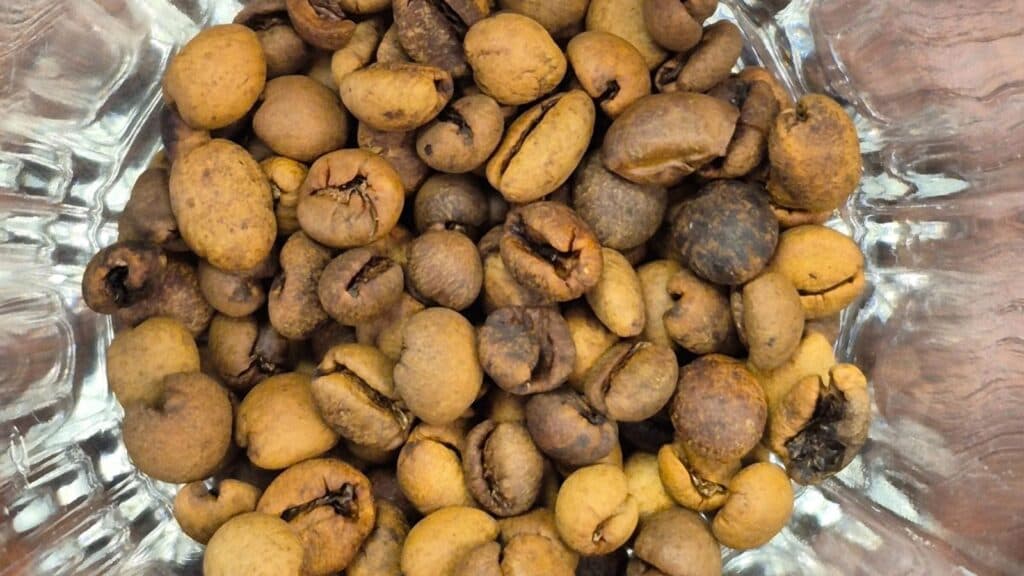
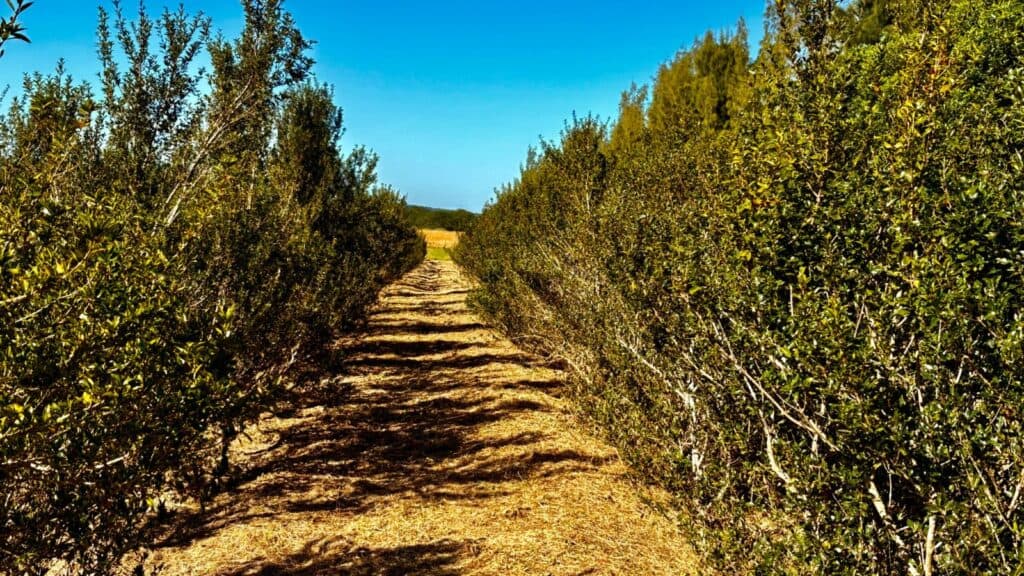
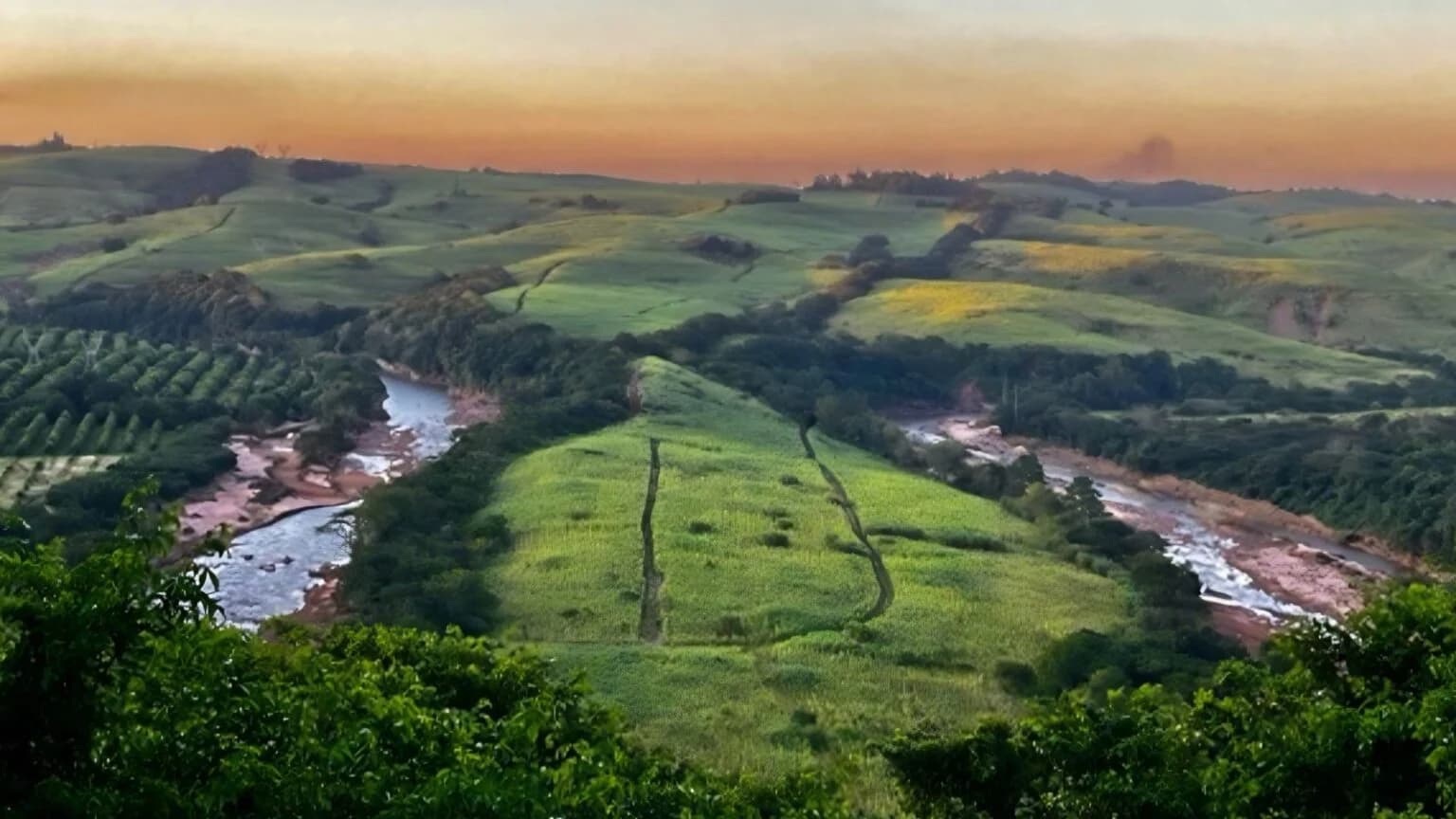
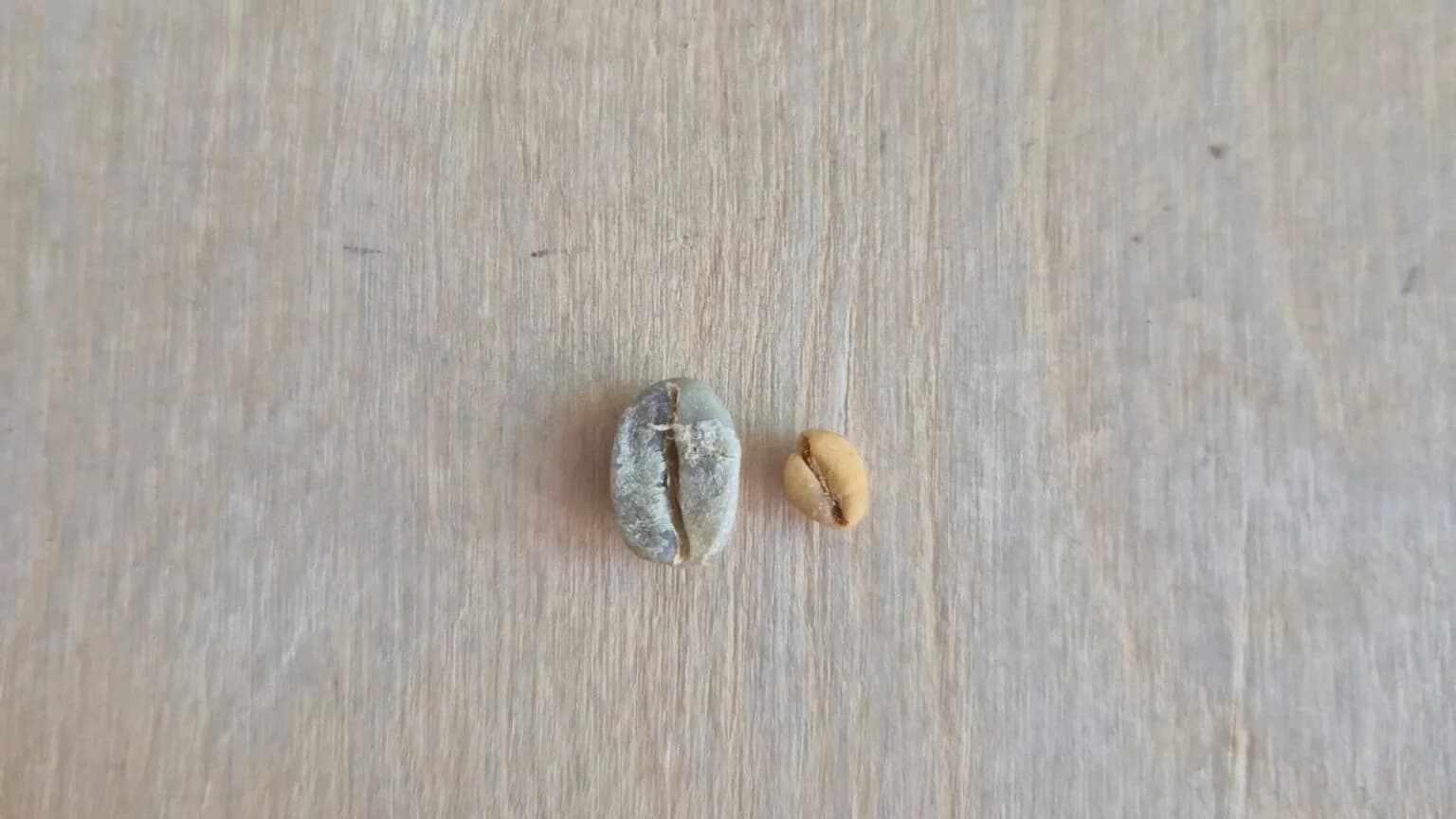
Coffea racemosa – considered by many coffee experts as the rarest coffee species on Earth – is being cultivated along South Africa’s KwaZulu-Natal North Coast. The coastal town of Ballito, best known for luxury estates and rapid property growth, is now gaining international recognition for preserving and producing this exclusive coffee. This species is native to Southern Africa. It remains exceptionally scarce due to very slow growth, difficult propagation, and highly specific climate requirements.
Rediscovering a Forgotten Coffee Species
Charles Dennison, founder of Cultivar Coffee and Racemosa Coffee, began researching this species during his Master’s degree in coffee studies. While traveling across Africa, Dennison found references to an unknown coffee species. He and his family then searched for surviving plants.
“They’re super rare. They are protected on the International Union for Conservation of Nature red lists, like the black rhino.” – Charles Dennison, 702 Drive interview
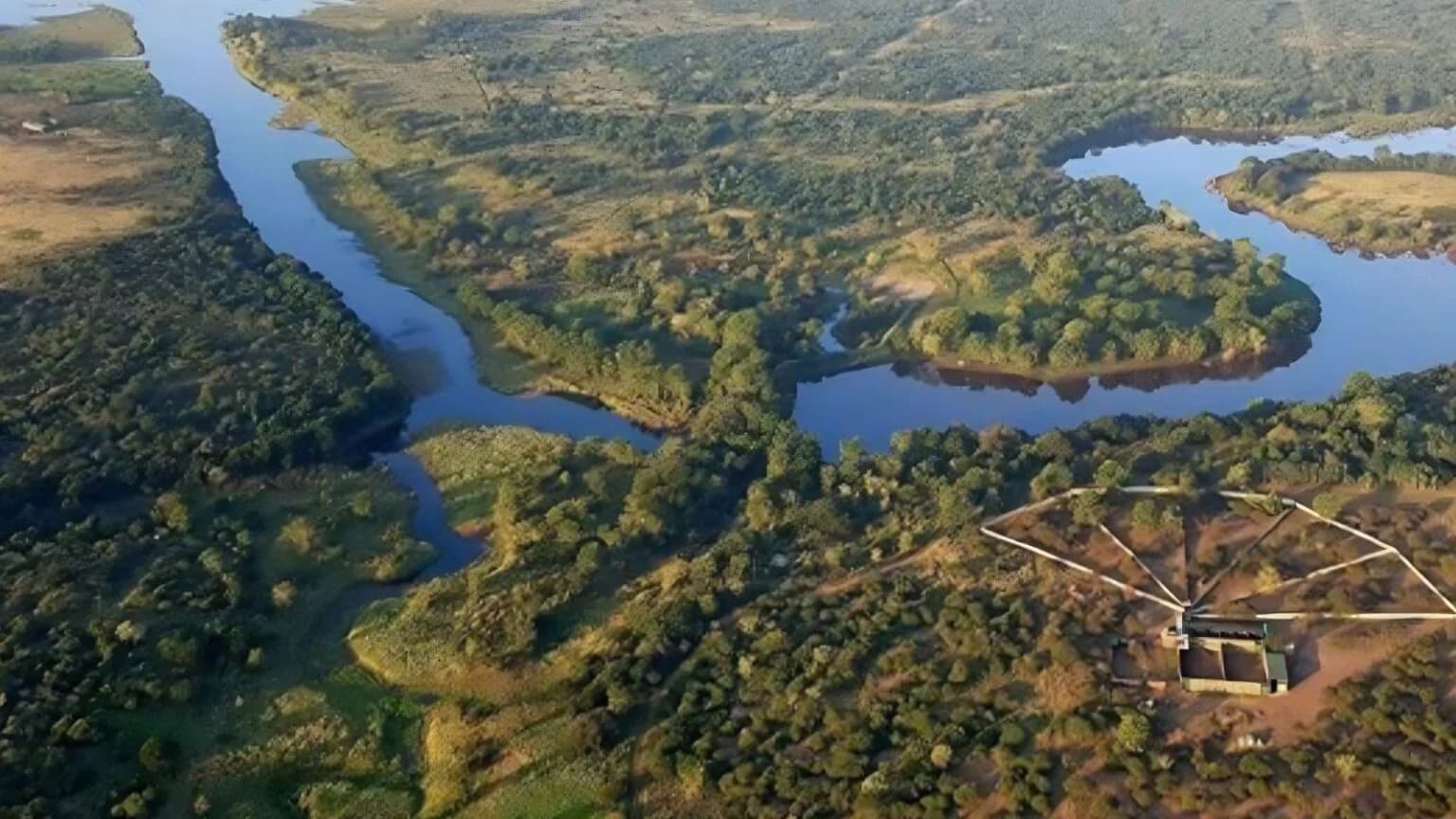
After locating seedlings, the family began cultivating the plants and has since propagated around 15,000 trees over the past decade. The regions around Ballito and Hluhluwe are now considered among the primary areas where the species survives naturally and is cultivated commercially. Dennison said farms in northern KwaZulu-Natal currently account for most of the species under cultivation in Africa.
“At the moment, we have probably about 90% of what exists in Africa,” he said.
A Coffee Unlike Any Other
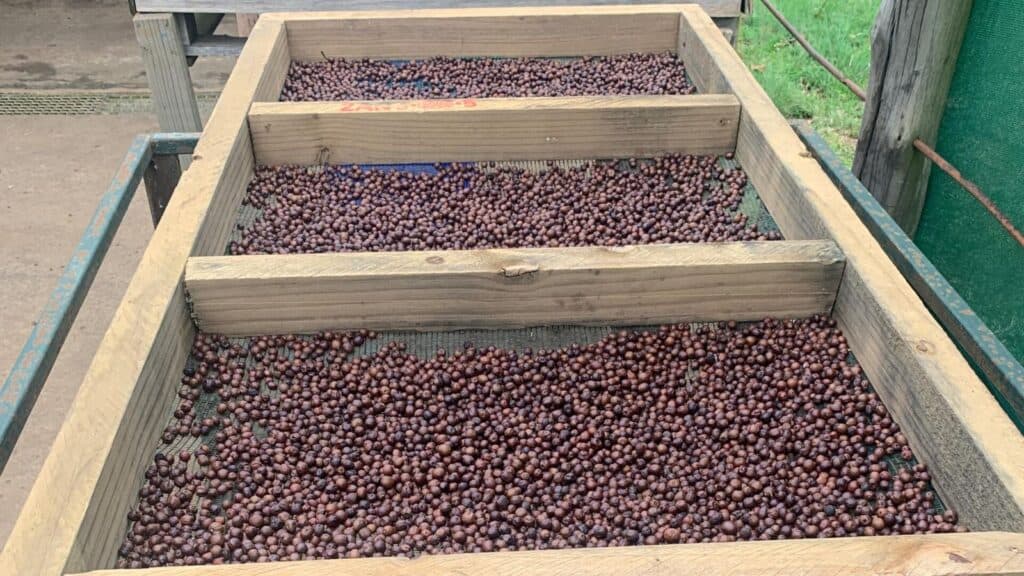
Production of Coffea racemosa remains extremely limited because the trees grow slowly and are difficult to reproduce.
“It’s a very slow-growing tree. It’s very hard to propagate, which is why it’s so rare in the wild,” Dennison explained.
The coffee’s flavor profile is equally unusual and completely different from traditional Arabica or Robusta coffees.
“It’s completely different to any coffee I think anybody really would have tasted,” he said.
Dennison described tasting notes that include blackcurrant, herbs, camphor, and mint, while some tasters reportedly identify aromas reminiscent of cannabis. He admitted the coffee is highly polarising among consumers.
“When people taste it, they either love it or they hate it,” he said.
Production and Export
Because of its rarity and premium pricing, most of the production is exported to specialty coffee roasters overseas. Dennison said beans from the farms were sold to high-end roasters in 15 countries last year. Production volumes remain exceptionally small. According to Dennison, total output in 2025 reached only around 350 kilograms – roughly the annual consumption of a small café.
| Metric | Value |
|---|---|
| Trees propagated | 15,000 |
| Total output (2025) | 350 kg |
| Export countries | 15 |
| Percentage of Coffea racemosa in Africa (KZN farms) | 90% |
A Climate-Resilient Coffee for the Future
Beyond its exclusivity, researchers are increasingly interested in Coffea racemosa because of its resilience to harsh environmental conditions. Dennison explained that the species can survive with very low rainfall, withstand drought conditions, and tolerate colder temperatures better than many commercial coffee varieties.
As climate change continues to threaten coffee production globally, breeding programmes are exploring the species for its potential role in developing more resilient coffee cultivars.
“It doesn’t need to be sprayed, and it doesn’t need irrigation,” Dennison said. “So there’s good potential to earn forex income.”
For South Africa’s emerging specialty coffee sector, the rare species could represent both a conservation success story and a future opportunity for sustainable coffee farming.
Frequently Asked Questions
What is Coffea racemosa and why is it so rare?
Coffea racemosa is regarded by many coffee experts as the rarest coffee species in the world. It is indigenous to Southern Africa and remains exceptionally scarce due to its slow growth, difficult propagation, and highly specific climate requirements. The species is protected on the International Union for Conservation of Nature red lists, similar to the black rhino.
Where is this rare coffee being grown?
The rare coffee is being cultivated along South Africa’s KwaZulu-Natal North Coast, with the regions around Ballito and Hluhluwe emerging as the primary areas where the species survives naturally and is cultivated commercially. According to Charles Dennison, farms in northern KwaZulu-Natal currently account for about 90% of what exists in Africa.
What does Coffea racemosa taste like?
The flavor profile is completely different from traditional Arabica or Robusta coffees. Tasting notes include blackcurrant, herbs, camphor, and mint. Some tasters reportedly identify aromas reminiscent of cannabis. The coffee is highly polarising – when people taste it, they either love it or hate it.
How much of this coffee is produced?
Production volumes remain exceptionally small. Total output in 2025 reached only around 350 kilograms – roughly the annual consumption of a single small café. The family behind its cultivation has propagated approximately 15,000 trees over the past decade.
Why is Coffea racemosa important for climate change research?
Researchers are increasingly interested in this species because of its resilience to harsh environmental conditions. It can survive with very low rainfall, withstand drought, and tolerate colder temperatures better than many commercial coffee varieties. It doesn’t need to be sprayed or irrigated, making it a potential source for developing more resilient coffee cultivars as climate change threatens global coffee production.
Ali Alzakary – Dubai | Source: BusinessTech
Gallery