Police Raid Starbucks Korea Headquarters Over Tank Day Scandal
- South Korean police raided Starbucks Korea headquarters on August 5, 2026.
- The raid is linked to the “Tank Day” marketing campaign that evoked the 1980 Gwangju Uprising.
- Around 40 investigators from the Seoul Metropolitan Police conducted the search.
- The campaign sparked nationwide backlash, boycotts, and a sharp sales decline.
- Starbucks Korea’s CEO was fired the day after the campaign launched.
- The company shut all stores for mandatory historical awareness training in June.
- Sales fell approximately 26% following the controversy.
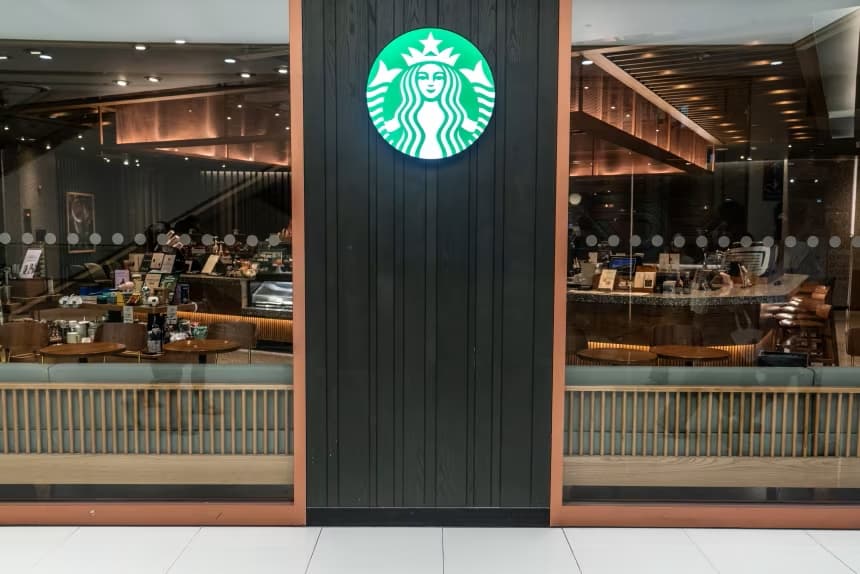
South Korean police raided the headquarters of Starbucks Korea on Wednesday. The raid is part of an ongoing investigation into a controversial marketing campaign. The campaign evoked painful memories of the 1980 Gwangju Uprising. The Seoul Metropolitan Police confirmed the search but declined to share further details[reference:0].
Approximately 40 investigators were dispatched to the Starbucks Korea headquarters in Gangnam-gu, Seoul[reference:1]. The raid lasted about 10 hours[reference:2]. It is the latest development in a scandal that has engulfed the coffee chain for months.
The Tank Day Campaign That Sparked Outrage
The crisis began in May 2026. Starbucks Korea launched a “Tank Day” marketing campaign. The campaign promoted its “Tank” line of tumblers[reference:3]. It was unveiled on May 18. This date is the anniversary of the 1980 Gwangju Uprising. The uprising was a pro-democracy movement brutally suppressed by the military. Hundreds of civilians were killed[reference:4].
The campaign used the phrase: “Put it on the table with a sound of ‘Tak!'” The word “tank” evoked memories of military vehicles used to crush protesters[reference:5]. The public reacted with immediate fury. Many called for a boycott of Starbucks Korea[reference:6].
Fallout: CEO Fired, Sales Plummet
The backlash was swift and severe. Within hours, Shinsegae Group canceled the campaign and fired the CEO of Starbucks Korea[reference:7]. Son Jung-hyun was dismissed for the “inappropriate” promotional campaign[reference:8]. President Lee Jae Myung publicly condemned the campaign, saying he was “enraged”[reference:9].
Starbucks Korea issued a formal apology that day. Starbucks Global also apologized and launched an investigation[reference:10]. The damage, however, was already done. Sales fell significantly. Kiwoom Securities reported a drop of about 26% compared to pre-campaign levels[reference:11]. Bloomberg projected that the sales slump could persist[reference:12].
| Date | Event |
|---|---|
| May 18, 2026 | “Tank Day” campaign launched on Gwangju Uprising anniversary |
| May 18, 2026 | Starbucks Korea apologizes; campaign canceled |
| May 19, 2026 | CEO Son Jung-hyun fired by Shinsegae Group |
| June 22, 2026 | All South Korea stores closed for mandatory history training |
| August 5, 2026 | Police raid Starbucks Korea headquarters |
Police Investigation and Raid
The police raid followed a complaint filed by a civic group. The group accused Shinsegae Group Chairman Chung Yong-jin of insult and defamation against uprising victims and their families[reference:13]. The search warrant specified charges including insult[reference:14].
The raid took place just days before Liberation Day. This public holiday marks Korea’s liberation from Japanese colonization. Police declined to comment on the timing[reference:15]. The investigation is ongoing. It is unclear if any charges will be filed.
Company Response and Damage Control
Shinsegae Group has been in damage control mode for months. On June 22, Starbucks Korea shut all its stores in the country at 3 p.m. for mandatory training[reference:16]. Staff underwent training on historical awareness and social sensitivity[reference:17]. The company also conducted internal audits[reference:18].
Despite these efforts, the brand’s reputation has suffered. Competitors have gained ground. Cumulative sales of rival coffee chains surpassed Starbucks in recent weeks[reference:19]. The company faces an uphill battle to regain consumer trust.
Broader Context: South Korea’s Sensitive History
The Gwangju Uprising remains a deeply sensitive topic in South Korea. The brutal crackdown lives in many people’s memories. The country has worked hard over decades to transition from authoritarianism to democracy. The public reacted swiftly when President Yoon Suk Yeol briefly declared martial law in December 2024. Hundreds of protesters, including some who had participated in the 1980 uprising, rushed to parliament[reference:20].
The Starbucks scandal tapped into this raw national memory. The company’s failure to understand the historical significance of the date proved costly.
Frequently Asked Questions
Why did police raid Starbucks Korea?Police raided the headquarters as part of an investigation into a “Tank Day” marketing campaign that allegedly insulted victims of the 1980 Gwangju Uprising.
What was the Tank Day campaign?Starbucks Korea launched a promotion on May 18, 2026, offering discounts on “Tank” tumblers. The date and wording evoked memories of the military crackdown on pro-democracy protesters in 1980.
Who was fired over the scandal?Starbucks Korea CEO Son Jung-hyun was fired the day after the campaign launched for the “inappropriate” marketing.
How much did Starbucks Korea’s sales drop?Sales fell approximately 26% compared to pre-campaign levels, according to Kiwoom Securities.
What did Starbucks do to respond?Starbucks apologized, fired the CEO, and shut all stores for mandatory historical awareness training in June 2026.
What is the Gwangju Uprising?The Gwangju Uprising was a 1980 pro-democracy movement in South Korea brutally suppressed by the military, resulting in hundreds of civilian deaths.