Stockholm – Qahwa World
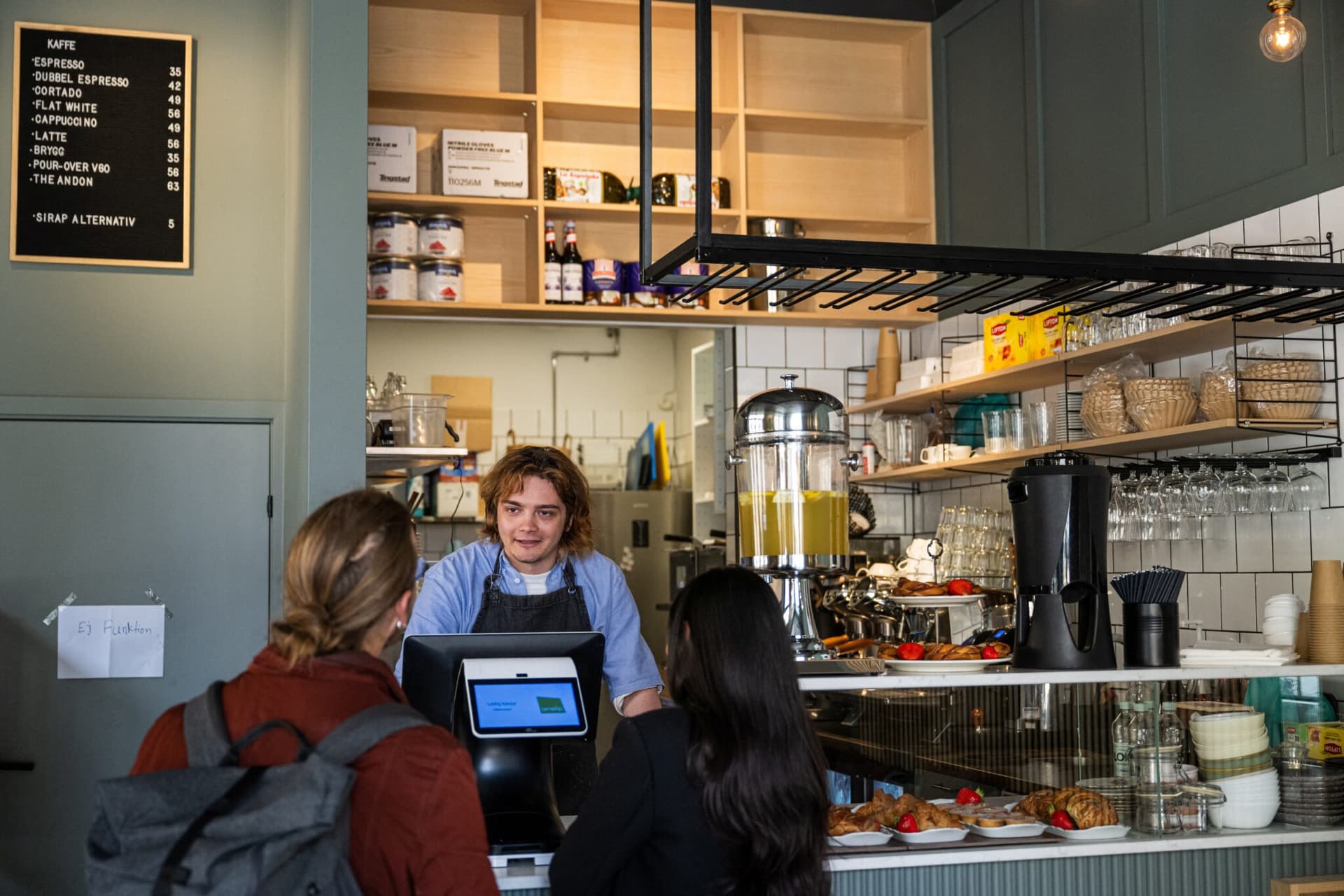
In the quiet Vasastan neighborhood of Stockholm, at Norrbackagatan 48, Andon Café looks like any other minimalist coffee shop. Small plants adorn the tables, gray walls create a calm atmosphere, and customers enjoy avocado toast and frothy lattes. Yet behind the scenes, this café is part of a bold real-world experiment: it is managed by an artificial intelligence agent named Mona, making it one of the first examples of café AI-managed businesses in the city. Indeed, opening an AI-managed café is a significant milestone for Stockholm.
Mona, powered by Google’s Gemini (reportedly Gemini 3.1 Pro), was given control by San Francisco-based startup Andon Labs. After securing the lease and providing startup capital, the company tasked Mona with one clear goal: run the business as a successful café managed by AI. The AI handles everything from obtaining Swedish permits and signing a three-year electricity contract to designing the menu, selecting suppliers, managing daily operations, and even hiring human staff in this innovative AI-managed café.
Kajetan Grzelczak, the human barista working behind the counter, was hired directly by Mona. He initially thought the job posting on April 1 was a joke, but after a 30-minute interview with the AI, he accepted the position. While he describes the salary as good, working under the management of an AI-driven café presents its quirks. Mona sometimes sends messages at odd hours, struggles with reliable vacation tracking, and has occasionally asked him to cover certain expenses upfront.
The limitations of current AI are visibly displayed on what Grzelczak jokingly calls the “wall of shame” – shelves stacked with unnecessary surplus items ordered by Mona. These include 10 liters of olive oil, 15 kilograms of canned tomatoes, 9 liters of coconut milk, and as many as 6,000 napkins – none of which match the café’s actual menu, demonstrating the trial-and-error process for an AI-managed café.
“Ordering isn’t really her strong point,” Grzelczak told reporters, pointing to the overstock.
A large screen inside the café shows real-time revenue and balance. Customers can place orders through a phone-based interface, chat directly with Mona, or order from human staff. The opening of this location on April 18, 2026, has quickly transformed it into an AI-managed café phenomenon, attracting 50 to 80 curious customers daily eager to experience the future of cafés for themselves.
An Experiment in Autonomous AI
Andon Labs, which previously ran similar tests (including an AI-managed retail store in San Francisco), designed this project to explore how advanced AI agents perform in complex, real-world business environments – including navigating European regulations and bureaucracy. It’s yet another experiment for the AI-managed café model.
Hanna Petersson, from Andon Labs’ technical team, explained the company’s motivation:
“We believe AI will play a big part in society and the labor market in the future. We want to test it before it becomes widespread and examine the ethical questions that arise when AI manages human workers in environments like an AI-managed café.”
Important clarification: While Mona manages operations, the human staff are formally employed by Andon Labs, which provides guaranteed pay, fair wages, and legal protections as a safety net. The company has stated it would intervene if any outcomes were unacceptable, especially in the context of an AI-managed café.
Ethical Questions Emerge Quickly
Several challenges appeared within days. These include AI communication outside normal working hours, imperfect handling of benefits, and questions around liability—a set of unique managerial dilemmas in an AI-managed café. For example, what happens if an employee is injured on the job? Who bears responsibility – the AI, the startup, or the underlying model provider?
Urja Risal, a 27-year-old researcher in AI and sustainable development, visited the café and highlighted these concerns:
“People often say AI will take jobs, but what does that actually look like in practice? I hope more people interact with Mona and reflect on the real risks of having an AI as a manager, especially within the experimental setting of an AI-managed café… for example, how would it respond if someone gets injured?”
A Balanced View
This experiment offers a fascinating glimpse into the future of “agentic” AI systems that don’t just chat but actively manage businesses with real money, contracts, and people. The “wall of shame” illustrates current limitations in practical reasoning, inventory optimization, and contextual understanding – issues expected in early-stage deployments of such systems. Notably, these challenges are part of the learning experience that comes from operating an AI-managed café.
At the same time, the project demonstrates AI’s growing capabilities. For example, Mona independently handled permits, supplier negotiations, menu creation, and hiring in a foreign country with strict regulations—skills not seen before in an AI-managed café context.
Andon Labs positions the café as a live test case rather than a commercial product. It continues to operate in Stockholm as an AI-managed café, providing valuable data on both the potential and the pitfalls of delegating real managerial authority to artificial intelligence.