Tanzania 2026 Harvest Update: Arabica and Robusta Progress
- Tanzania’s 2026 coffee crop is expected to be 4-5% larger than last season.
- New plantations entering production and improved farm management drive the growth.
- Arabica harvest is approximately 40% complete, with peak picking over the next 2-3 weeks.
- Robusta harvest is 80-90% complete, with 25-30% commercialized so far.
- Processing infrastructure faces pressure from higher volumes, with washing stations at full capacity.
- Sucafina works with 15 AMCOS cooperatives through its Loyalty Program in Tanzania.
- Community projects include hospital upgrades and school improvements.
Tanzania’s 2026 coffee harvest is in full swing. Arabica and Robusta crops are progressing in line with expectations. Stronger volumes are testing processing infrastructure. However, quality remains stable.
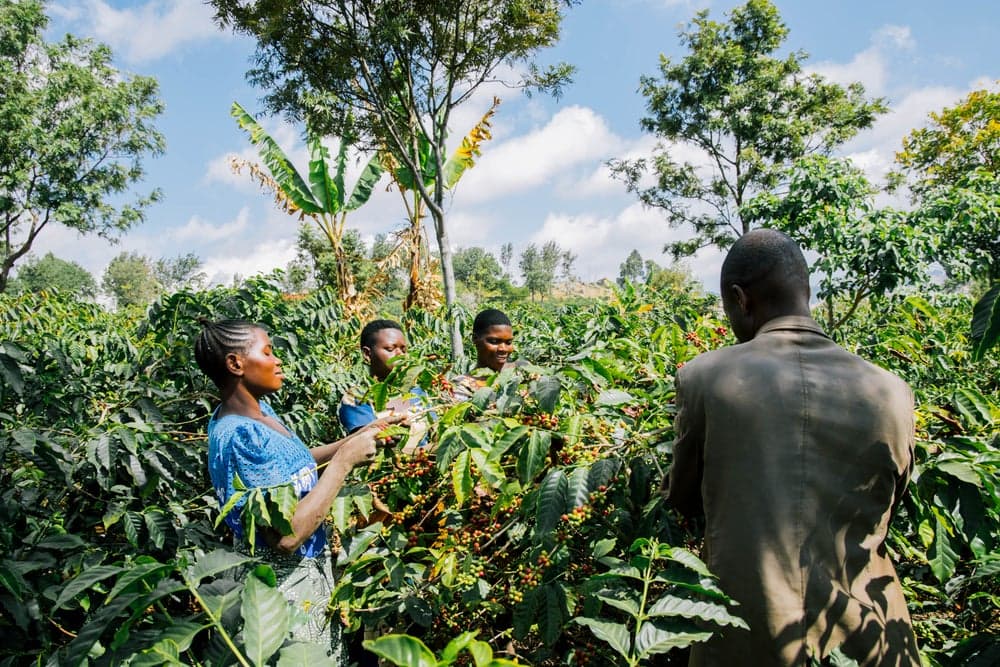
New plantations are maturing and entering production. Established farms are also improving yields. These factors contribute to a larger crop volume this season.
Arabica Outlook
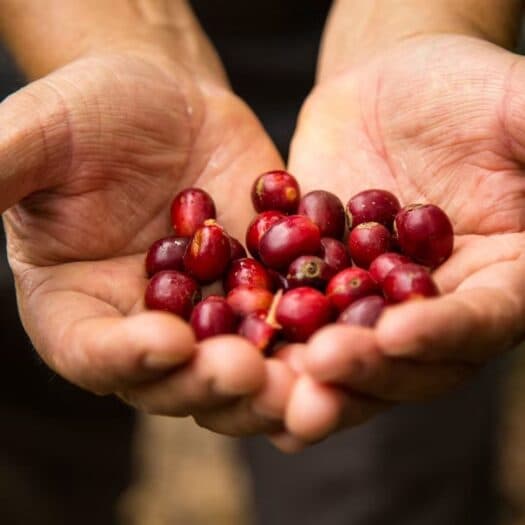
Tanzania’s Arabica harvest is currently around 40% complete. Most farms are approaching peak picking over the next two to three weeks. Volumes are tracking slightly above last season.
Overall production is expected to increase by 4-5%. This aligns with our forecast. New plantations are reaching their first and second harvests. Older farms have improved yields over the past three years. The market rally incentivized better farm management.
Early quality assessments suggest a profile consistent with expectations. “What we’ve analyzed so far looks similar to last season’s. There are no red flags, and we expect the crop to deliver decent quality overall,” says Kihara Victor, Trading Manager at Cotacof (Sucafina in Tanzania).
| Crop | Progress | Notes |
|---|---|---|
| Arabica | ~40% complete | Peak picking in next 2-3 weeks |
| Robusta | 80-90% complete | 25-30% commercialized |
| Overall Volume | +4-5% vs last season | Driven by new plantations and improved yields |
Robusta Outlook
The Robusta harvest is more advanced. It is currently 80-90% complete. However, only 25-30% has been commercialized so far. The main focus now is on drying the coffee to be ready for auctions.
Quality is expected to remain consistent with last year. This depends on maintaining processing timelines. Drying capacity must also keep pace with incoming cherry.
Processing Capacity: Challenges and Opportunities
Higher volumes are creating pressure across the supply chain. Producers face labor shortages during peak harvest. Processors are running washing stations around the clock. They are also building more drying tables.
“The standout of this year’s harvest is the scale,” Kihara says. “Cooperatives are running washing stations at full capacity – and some are over capacity. This is something we haven’t seen to this extent in Tanzania before, even with steady volume growth in recent years. It reflects the combined impact of new plantations coming online, alongside improving yields on older farms.”
Support from the Tanzania Coffee Board and exporters is enabling cooperatives to expand their drying capacity. This helps manage throughput and maintain quality. “It’s a real signal that infrastructure investment will need to keep pace with production growth in coming seasons,” Kihara notes.
| Indicator | Status |
|---|---|
| Washing stations | Running at full capacity, some over capacity |
| Drying capacity | Expanding with support from Coffee Board |
| Arabica quality | Consistent with last season |
| Robusta quality | Expected consistent with last year |
| Labor availability | Shortages during peak harvest |
Strengthening Resilience in Coffee Communities
Sucafina continues to invest in projects that help farmers, cooperatives, and communities build resilience. The company now works with 15 AMCOS through its Loyalty Program. This program incentivizes improvements in yield, quality, and farming practices.
Sucafina launched a new pilot project with a partner. The project supports four AMCOS with prefinancing for inputs and working capital during the season. “The aim is to help cooperatives strengthen their operations, improve access to finance, and ensure they can continue to purchase coffee from farmers and run washing stations to the highest standards,” Kihara explains. “The funds are already being distributed, and we plan to expand this project.”
In 2026, Sucafina partnered with five AMCOS in the Loyalty Program to fund key community projects. These initiatives include upgrades to hospital beds and improvements to local schools, including building bathrooms. These projects help enhance community wellbeing.
To ensure continued access to responsibly sourced coffees, Sucafina expects to complete IMPACT re-verification this year. This includes Rainforest Alliance and C.A.F.E. Practices verification.
Outlook and Next Steps
Tanzania’s 2026 harvest reflects a sector in transition. Rising production is placing demands on supply chain infrastructure. Early indications suggest these challenges are being managed effectively. Quality is expected to remain stable.
If you are planning to book coffees from Tanzania or support sustainability initiatives, now is a good time to reach out to your trader. Discuss availability and booking options.