Vienna – Qahwa World
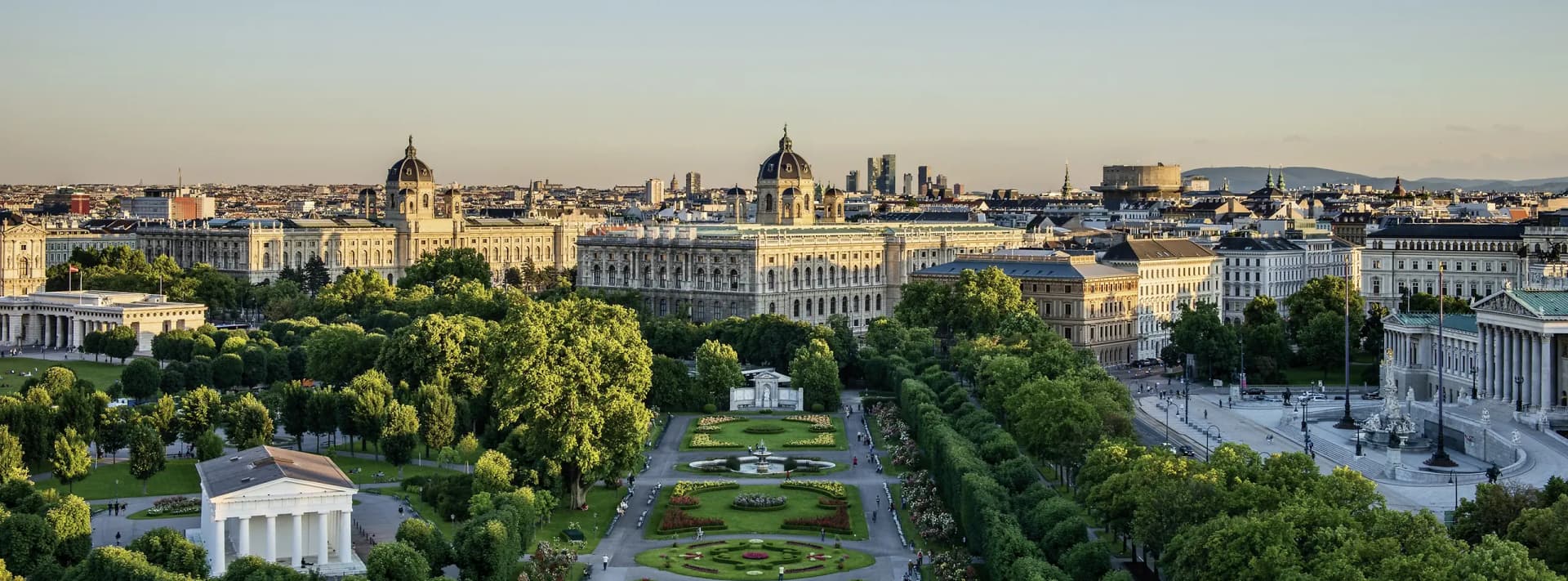
Vienna’s coffeehouse culture stands at the core of the city’s identity, functioning not just as places to drink coffee, but as long-established social and cultural spaces that define the rhythm of urban life. In 2026, this tradition becomes a primary gateway for discovering the city, especially for travelers from the Gulf Cooperation Council seeking calm, authenticity, and culturally rich experiences.
At the heart of this heritage is the Frauenhuber Coffeehouse, one of Vienna’s most historic cafés. Located in a centuries-old building, it reflects the deep connection between coffee, music, and culture, and has long been associated with classical artistic traditions and performances.
In contrast, Jonas Reindl Coffee Roasters represents the modern evolution of Vienna’s coffee scene, focusing on specialty roasting and minimalist spaces that prioritize quality, precision, and a refined contemporary coffee experience.
Meanwhile, the Café Schwarzenberg embodies the classic Viennese coffeehouse tradition, where coffee is part of a daily ritual accompanied by pastries and breakfast in an elegant historic setting dating back to the nineteenth century.
This diversity extends to contemporary cafés such as Café Candelifi, Café Rosy Bizzl, and Central Roses Bar Café, which reflect the evolving café landscape—from plant-based concepts to seasonal menus and modern Central and Eastern European influences.
Beyond coffee culture, Vienna reveals a renewed culinary scene that blends tradition and innovation, presenting the city in a new light for Gulf travelers beyond its conventional association with a limited set of traditional dishes.
Within this framework, Glasing at the Amaryos offers a modern interpretation of Austrian cuisine in an artistic environment, while Herzig, a Michelin-starred restaurant, delivers a precise and innovative dining experience defined by creativity, attention to detail, and a quiet location away from the city center.
At the same time, Gmuckler preserves traditional Austrian culinary heritage through authentic local dishes that reflect the city’s gastronomic identity.
In hospitality, the Mandarin Oriental Vienna combines luxury design with fine dining inside a historic Art Nouveau building, while Schöteck Palace is set to expand Vienna’s hotel landscape with its upcoming opening in a restored historic palace.
Overall, Vienna in 2026 offers Gulf travelers a layered experience that begins in its coffeehouses and extends into dining and hospitality, presenting a city best understood through its lived cultural and sensory experiences rather than its traditional image alone.