By Abdullah Ramay
As Australia moves into 2026, the specialty coffee sector is entering a new phase of transformation. Rising operating costs, changing consumer behaviour, and rapid innovation are reshaping how cafés operate, serve their customers, and define their identities.
Rather than slowing demand, these pressures are accelerating evolution across the industry. Cafés that successfully combine creativity, operational intelligence, and genuine hospitality are positioning themselves for long-term resilience in an increasingly competitive market.
The following is a comprehensive overview of the key coffee, hospitality, and equipment trends shaping Australia’s specialty café landscape in 2026.
Coffee and Beverage Trends
Signature drinks and curated menus define identity
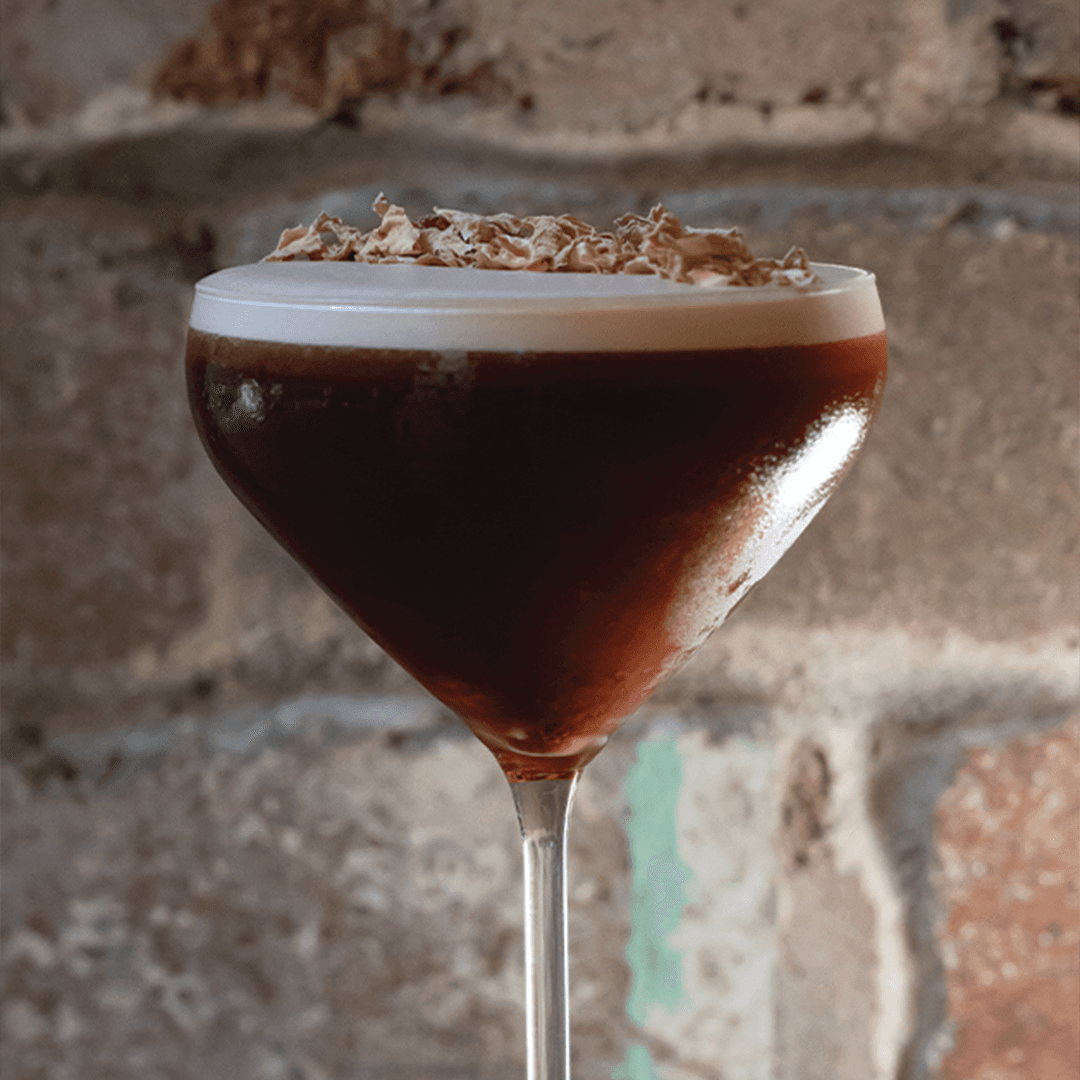
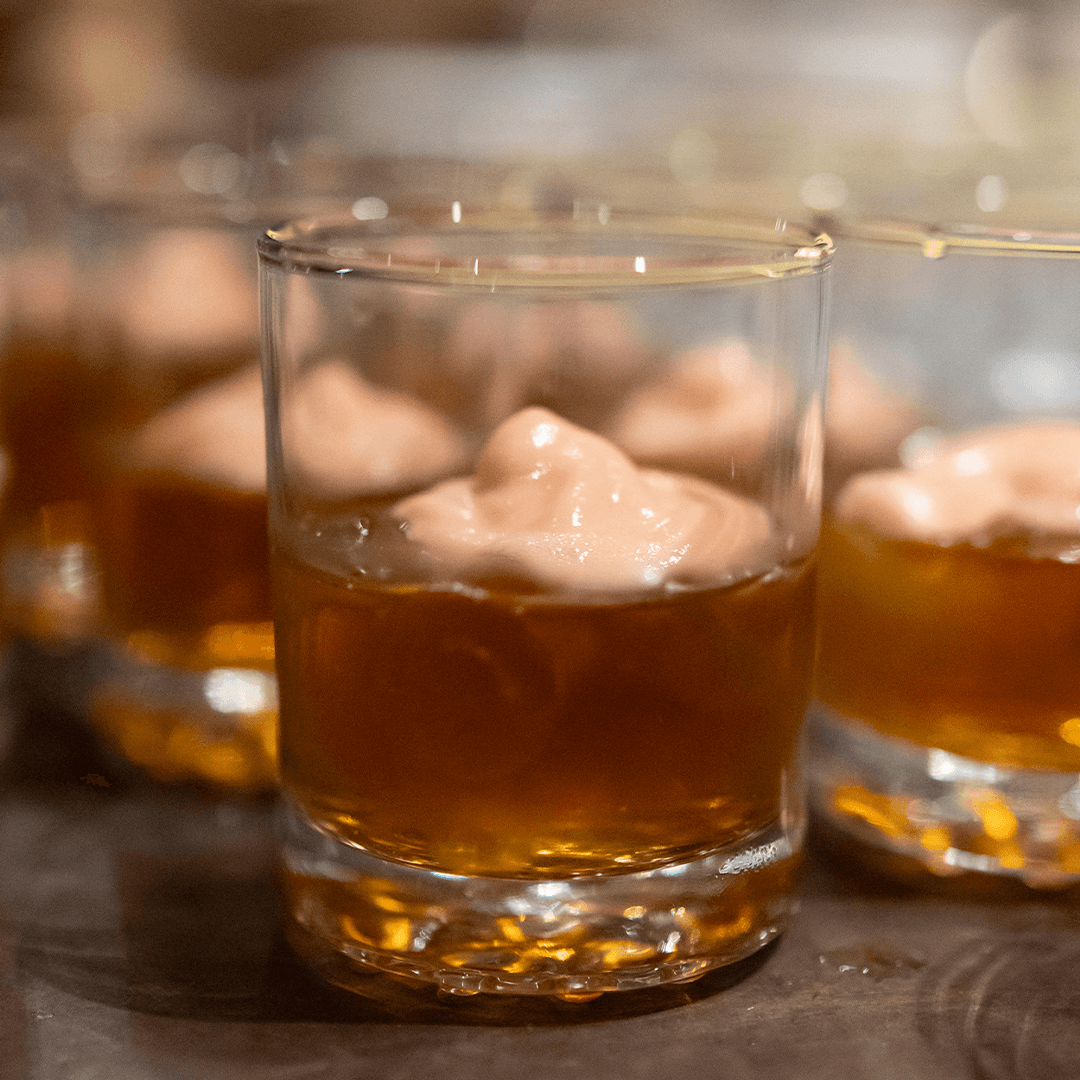
Signature beverages have moved beyond being secondary menu items. In 2026, they stand alongside house blends as central expressions of a café’s brand and personality. These drinks support stronger margins, encourage repeat visits, and allow cafés to showcase creativity through layered flavours, textures, and seasonal ingredients.
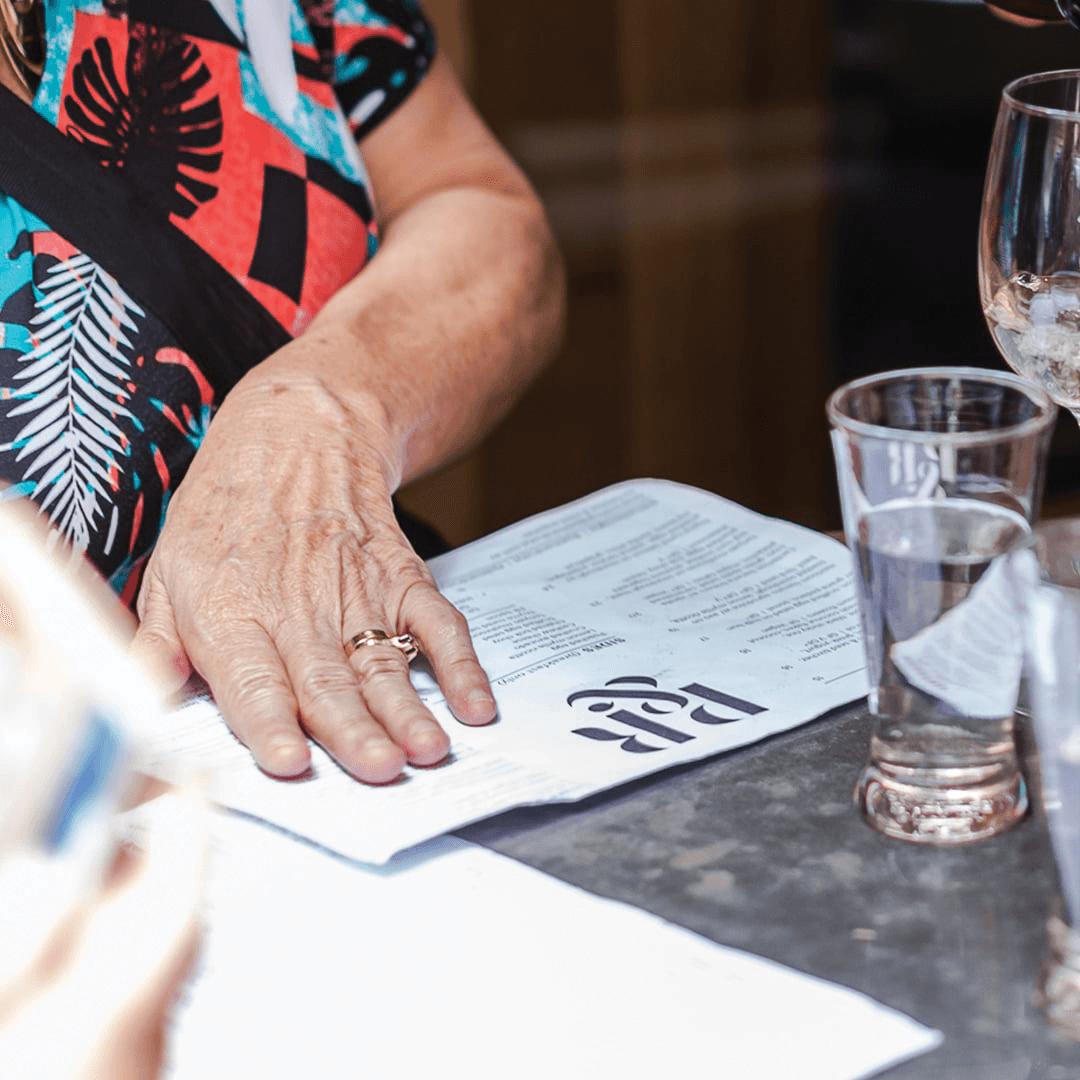
Menus themselves are evolving into storytelling tools. Digital formats enhanced with imagery, tasting notes, and visual cues help shape customer expectations before the drink is served, allowing baristas to focus more on hospitality and engagement.
Increasingly, the café menu functions as a visual narrative rather than a simple list of offerings.
Coffee pricing trends toward global parity
Australia’s long-discussed coffee pricing imbalance continues to narrow. The gradual rise of the flat white toward the seven-dollar range reflects sustained pressures from wages, rent, utilities, and volatility in green coffee prices.
This shift is not solely about higher prices, but about reframing value. Tiered menus, premium-origin offerings, and greater transparency are helping customers understand what sits behind the cup. Many cafés are using signature drinks as anchor pricing, protecting margins on standard espresso beverages while elevating perceived value.
After years of being undervalued, Australian coffee culture is undergoing a positive correction.
Cold coffee becomes a permanent category
Cold coffee is no longer seasonal. Younger consumers increasingly choose iced beverages throughout the year, including during winter months. This change is influencing café design, workflow planning, and equipment investment.
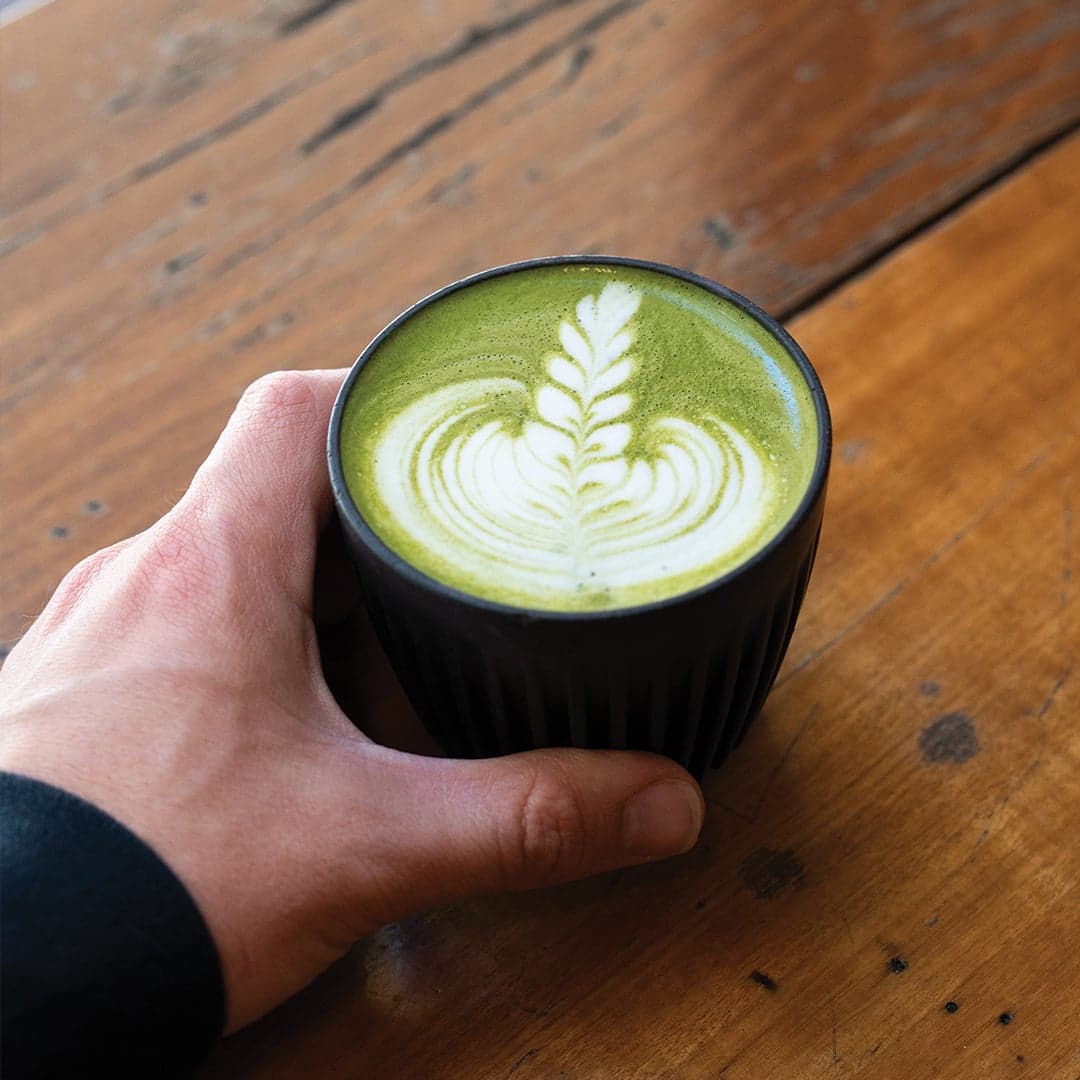
Cold taps now extend beyond traditional cold brew to include coffee tonics, cascara sodas, and sparkling matcha. At the same time, cafés are developing small-scale ready-to-drink programs, offering canned iced lattes, flavoured cold brews, and matcha-based sodas.
Cold beverages have become as structurally important to menus as espresso.
Matcha shortages drive tea-led innovation
With global demand for matcha continuing to outpace supply, cafés are responding by expanding tea-based beverage offerings. In 2026, tea is becoming a key area of experimentation and creativity.
Drinks such as hojicha lattes, genmaicha shakes, strawberry sencha spritzes, and botanical infusions with citrus, rose, or yuzu notes are gaining prominence. These beverages allow cafés to explore colour, texture, and visual presentation.
Cross-category innovation is also accelerating, with coffee–tea hybrids, nitro-style matcha, layered tonics, and fruit-driven sparkling teas inspired by cocktail and mixology techniques.
Functional and wellness-focused drinks go mainstream
Health-led beverages are moving from niche to standard menu offerings. Cafés are increasingly introducing drinks designed to support focus, energy, and overall wellbeing.
Protein-enhanced lattes, blends combining caffeine and L-theanine, adaptogen-based hot chocolates, low-sugar cold brews, and fermented beverages are attracting customers who want the café experience without excessive sugar or heavy dairy.
The trend reflects a broader shift toward drinks that contribute to how customers feel, not just how they taste.
Broader Café and Hospitality Trends
The barista role expands beyond the machine
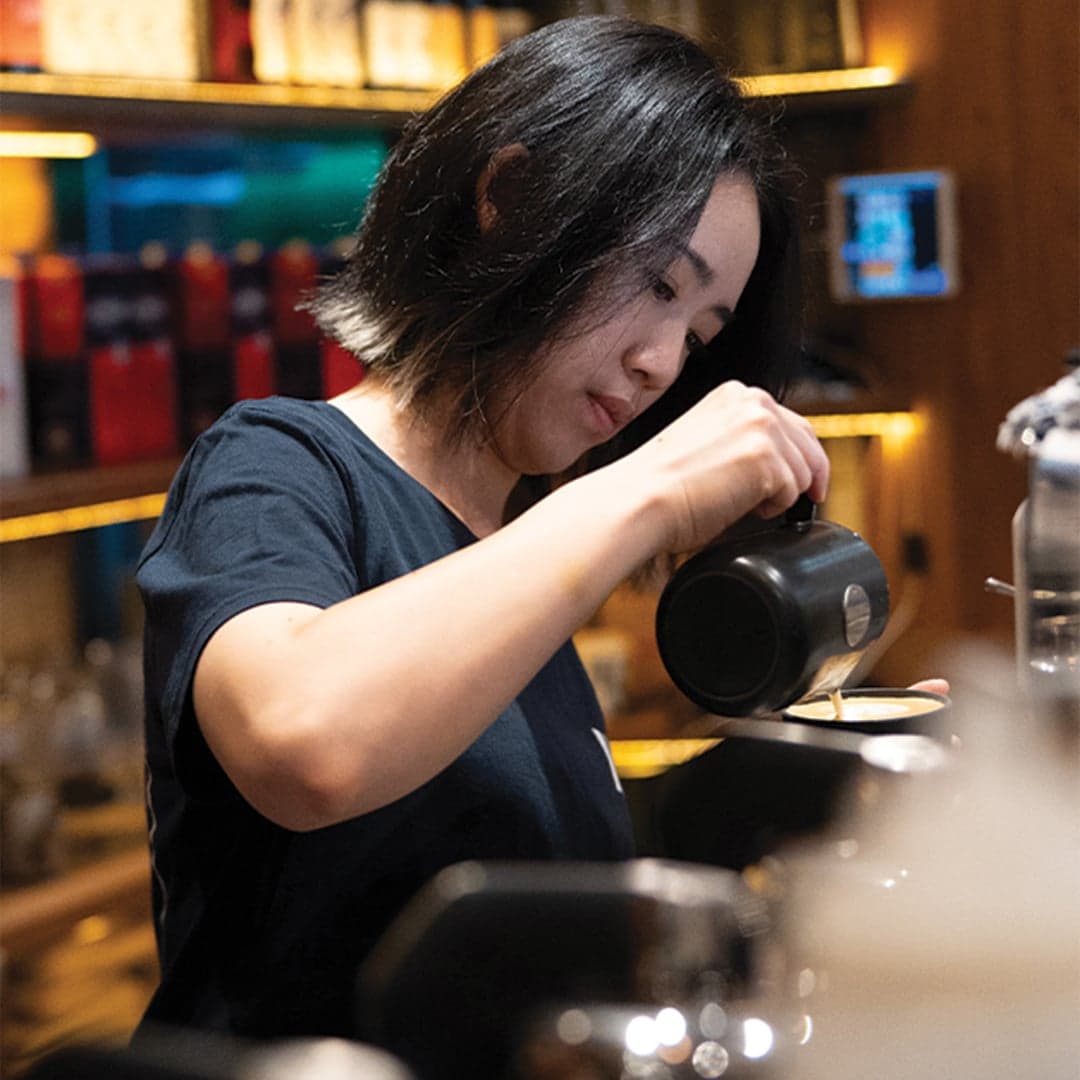
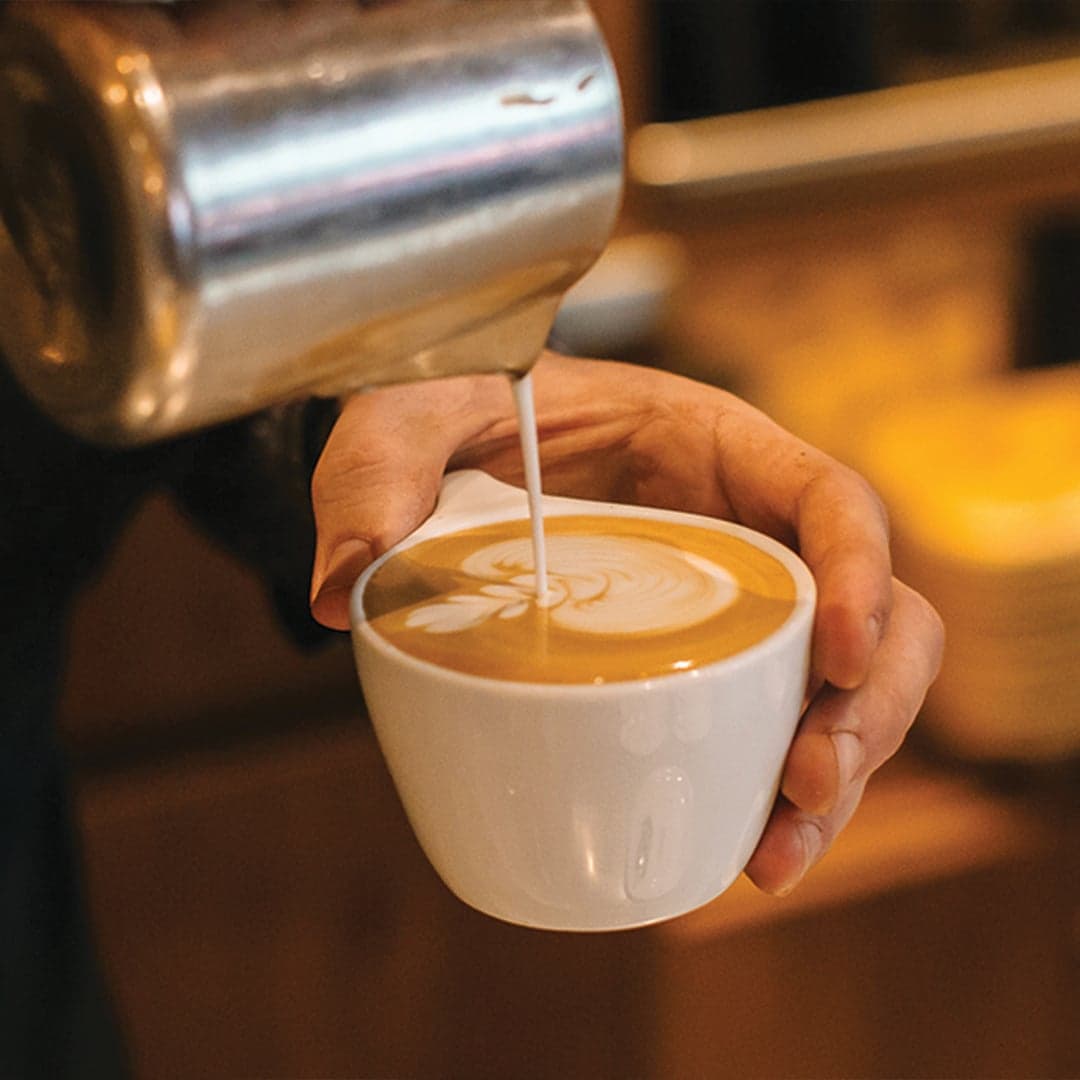
The role of the barista continues to evolve into a high-impact, customer-facing position. Less time is spent exclusively behind equipment, and more time is dedicated to guiding customers, introducing signature drinks, and explaining flavour profiles.
In many cafés, baristas now operate in roles similar to sommeliers, influencing beverage selection and shaping the overall experience. They also contribute to menu design, workflow efficiency, and commercial performance. As automation improves, human value increasingly centres on hospitality, taste, and storytelling.
Cafés strengthen their role as community spaces
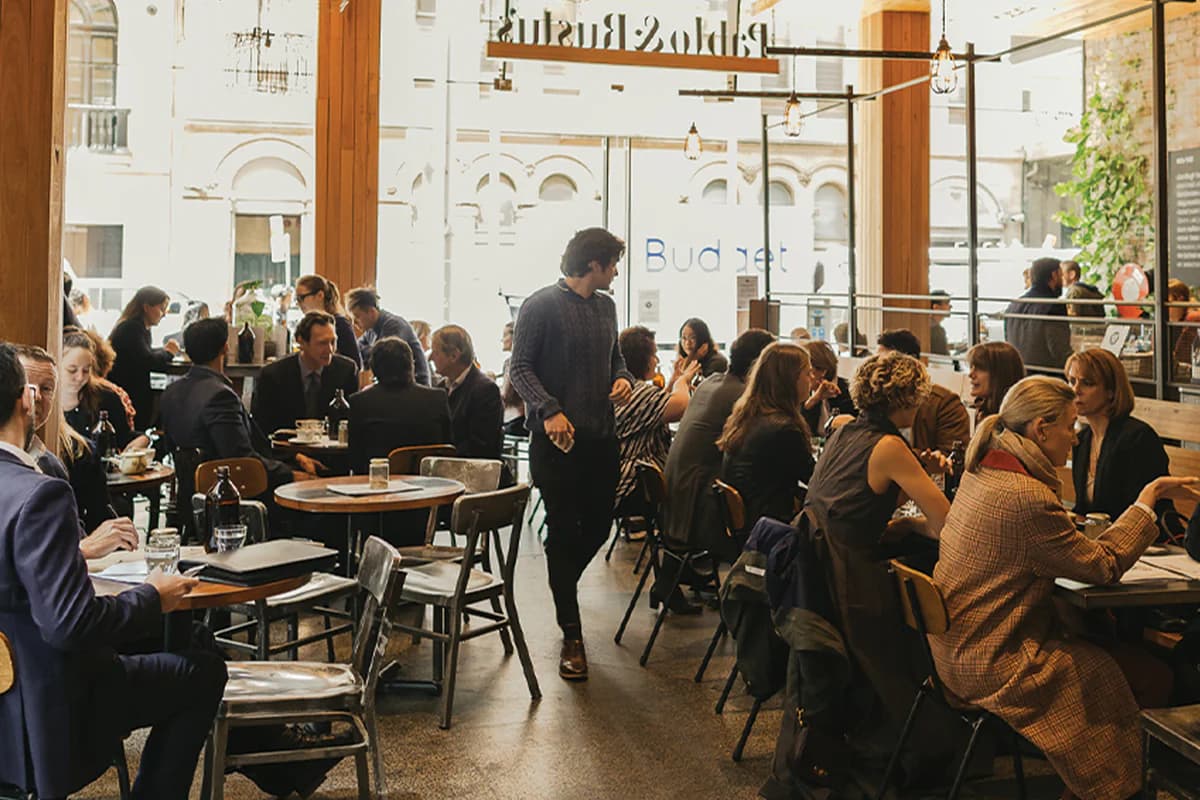
Australian cafés are reinforcing their place as neighbourhood hubs. Workshops with local creatives, cuppings with roasters, micro-events, and seasonal launch nights are becoming more common.
Some venues rotate signature drink menus based on seasonal produce, climate, or origin stories. With hybrid and remote work continuing, cafés are increasingly used as informal “third spaces,” where a strong sense of connection becomes a key competitive advantage.
Automation becomes intentional and refined
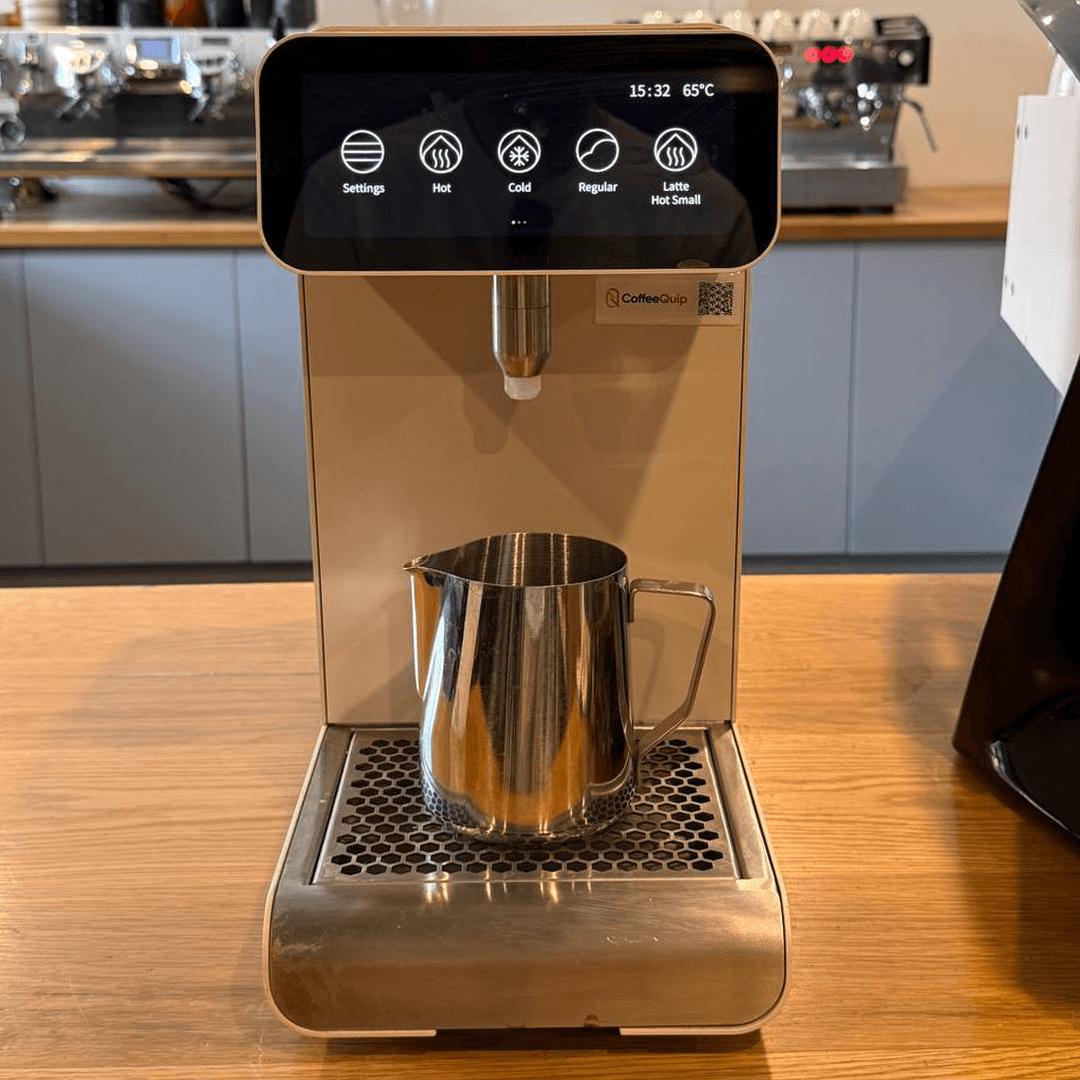
Automation in 2026 is no longer reactive. It is strategic. Super-automatic machines are reaching new levels of consistency, while milk systems are now precise enough to meet specialty standards.
Used thoughtfully, automation helps teams manage peak periods efficiently while preserving warm, human service. Rather than replacing craft, technology is increasingly seen as a tool to protect it.
Reusable systems become operational priorities
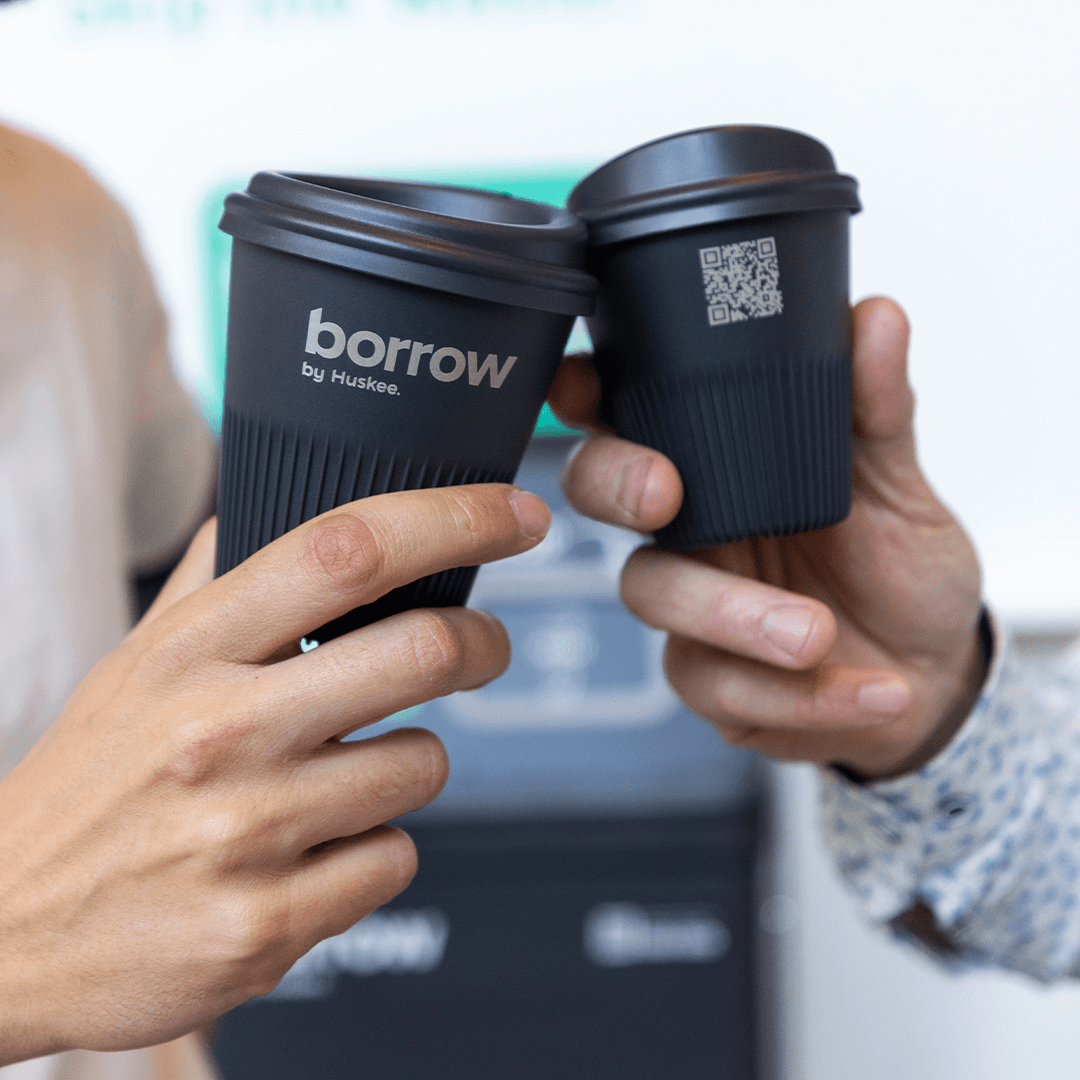
Sustainability is shifting from aspiration to implementation. Reusable cup programs are expanding as waste regulations tighten. Refill systems for beans, beverage concentrates, and customer-provided containers are gaining traction.
Cafés are beginning to measure environmental impact as a performance indicator, not merely a branding message.
Innovation becomes essential, not optional
With margins remaining tight, innovation has become a survival strategy. Seasonal menus, rare coffee offerings, distinctive branding, interactive tastings, and elevated hospitality help cafés stand out in saturated markets.
Customers increasingly seek experiences worth sharing—both in person and online. Simply meeting expectations is no longer sufficient.
Hospitality returns to the forefront
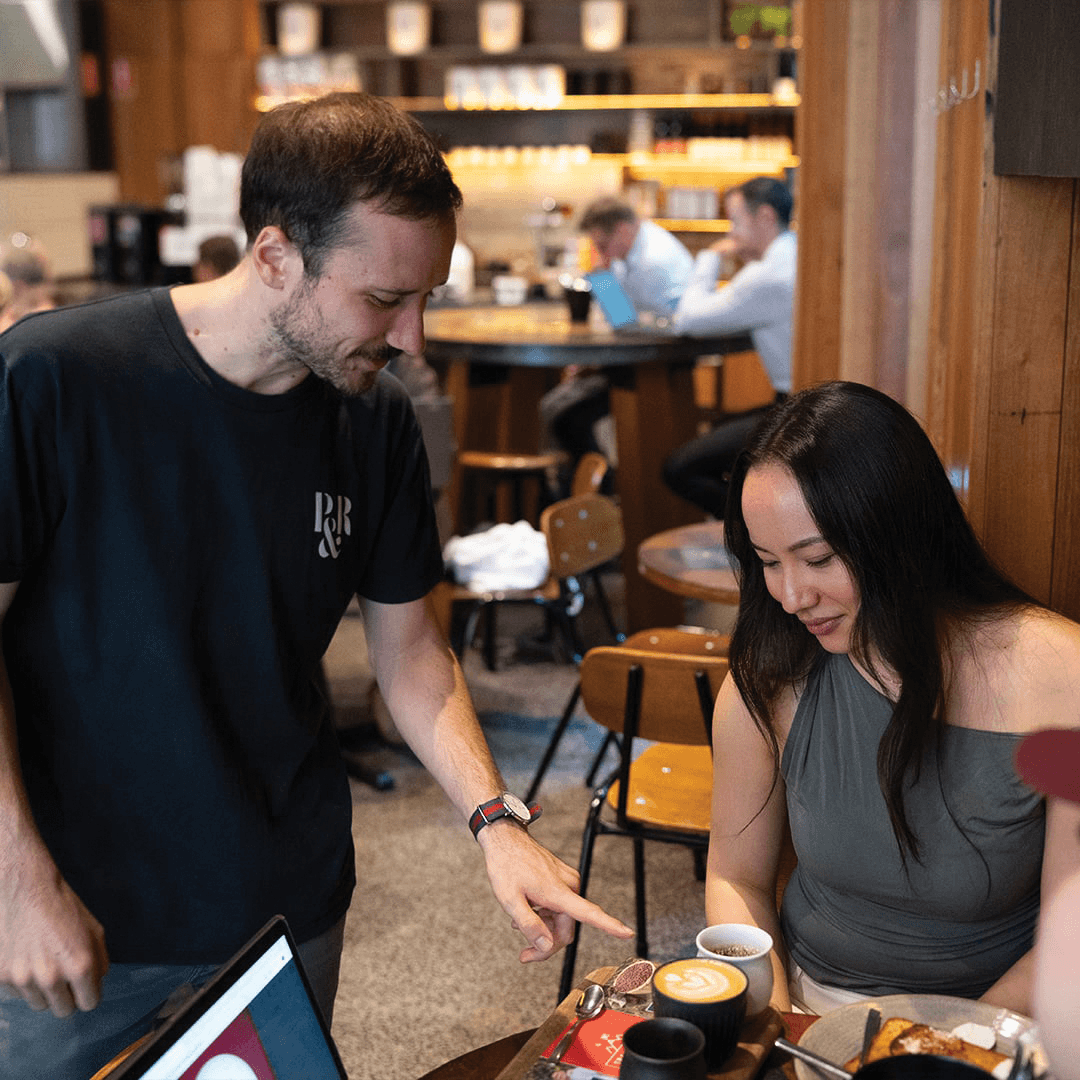
Human service is emerging as a defining advantage. Greeting customers warmly, remembering preferences, delivering food with care, and checking in during visits build loyalty more effectively than discounts.
Leading cafés are training hospitality with the same seriousness traditionally given to technical coffee skills. Proactive hosting is becoming a core driver of success.
Equipment and Technology Trends
Consistency and speed through automation
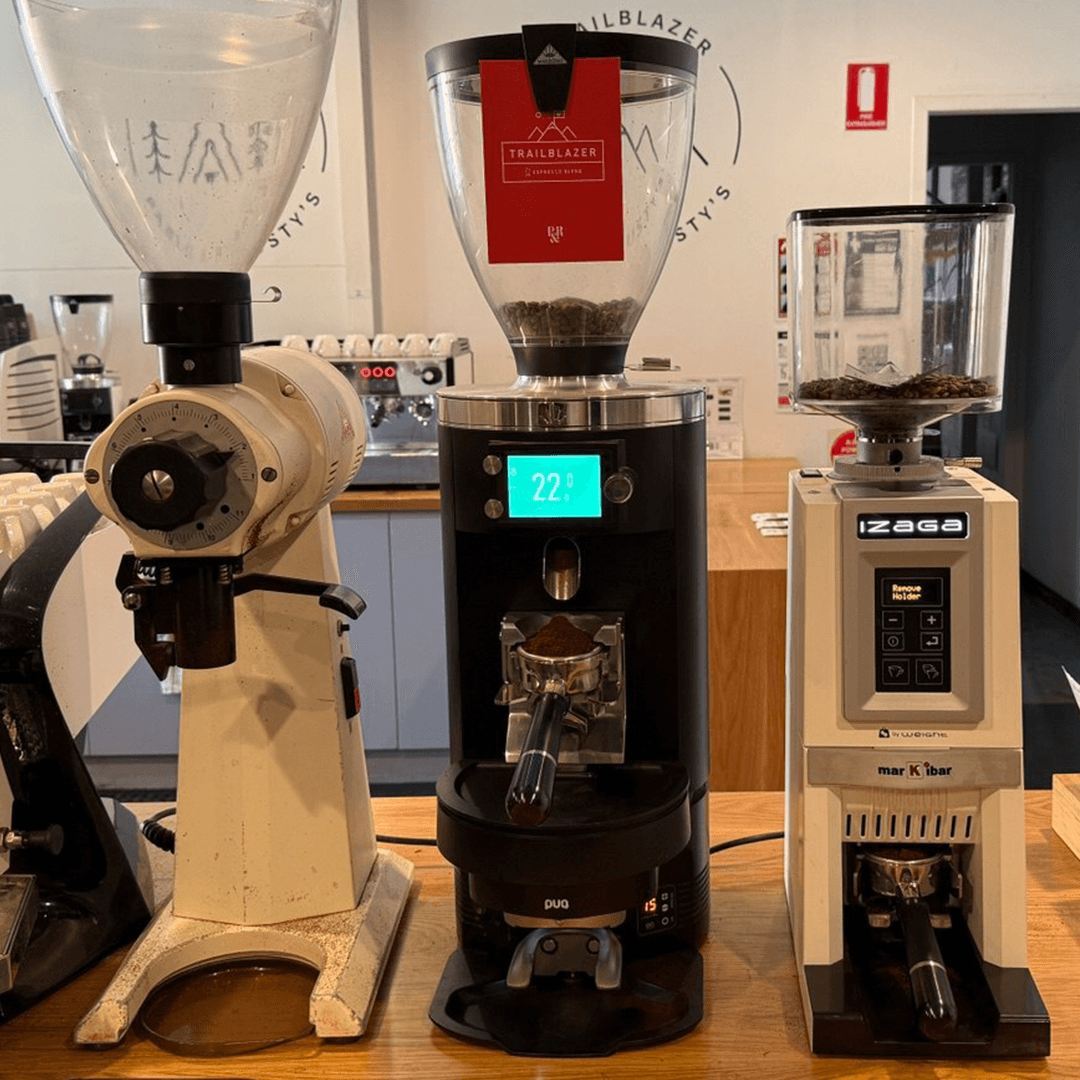
Modern espresso machines now self-adjust, grinders maintain precise dosing, and milk systems handle multiple milk types efficiently. These technologies help reduce pressure during peak service while maintaining consistent quality.
Grind-by-weight and pre-grind workflows expand
Batch brewing continues to grow alongside cold coffee demand. Pre-grind workflows help manage queues during high-volume periods, while grind-by-weight systems are becoming essential for consistency across teams and shifts.
Energy efficiency gains importance
As energy costs rise, cafés are prioritising equipment with sleep modes, low-energy boilers, and eco-focused controls. Manufacturers across roasting, grinding, and brewing are placing greater emphasis on sustainable design.
Next-generation milk systems reshape service
Milk remains one of the highest labour and cost centres in cafés. Systems capable of steaming multiple milk types and textures efficiently are increasingly valuable. High-volume venues are adopting milk taps, automated frothers, and milk banks to improve speed and reduce waste.
Looking Ahead
In 2026, Australia’s specialty café industry is defined by clearer identities, smarter tools, and deeper customer engagement. Cafés that invest in people, sustainability, innovation, and distinctive flavours are best positioned to stand out.
Quality still matters. Experience matters more.
Gallery