AMMAN — Qahwa World
Xinhua News Agency has published a report highlighting the growing role of coffee in Jordanian daily life, as changing lifestyles and urban expansion reshape long-standing consumption patterns across the country.
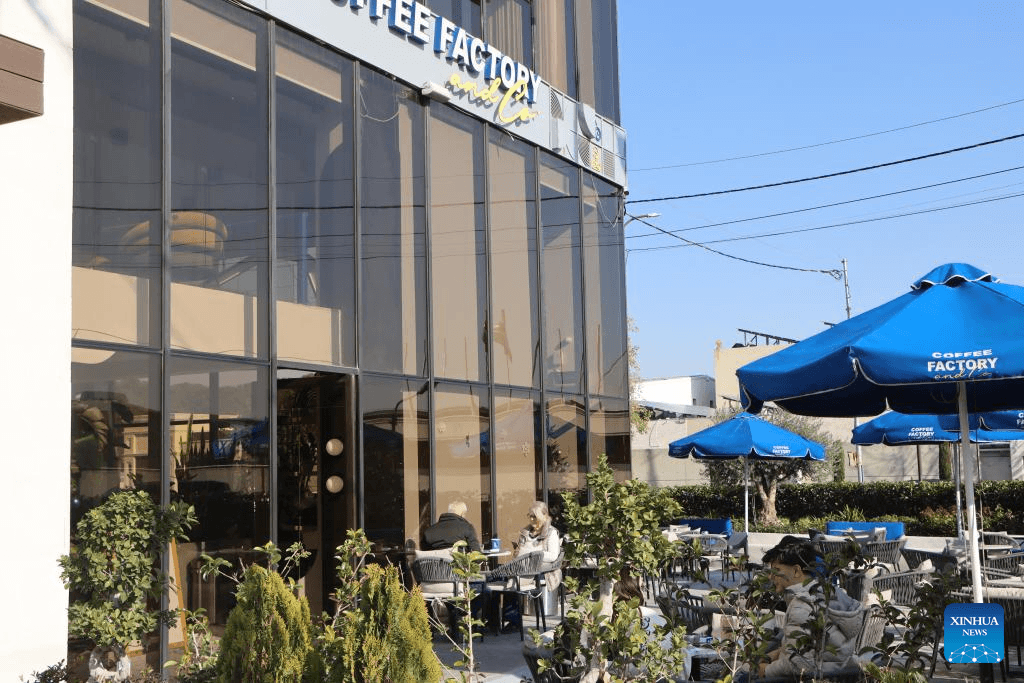
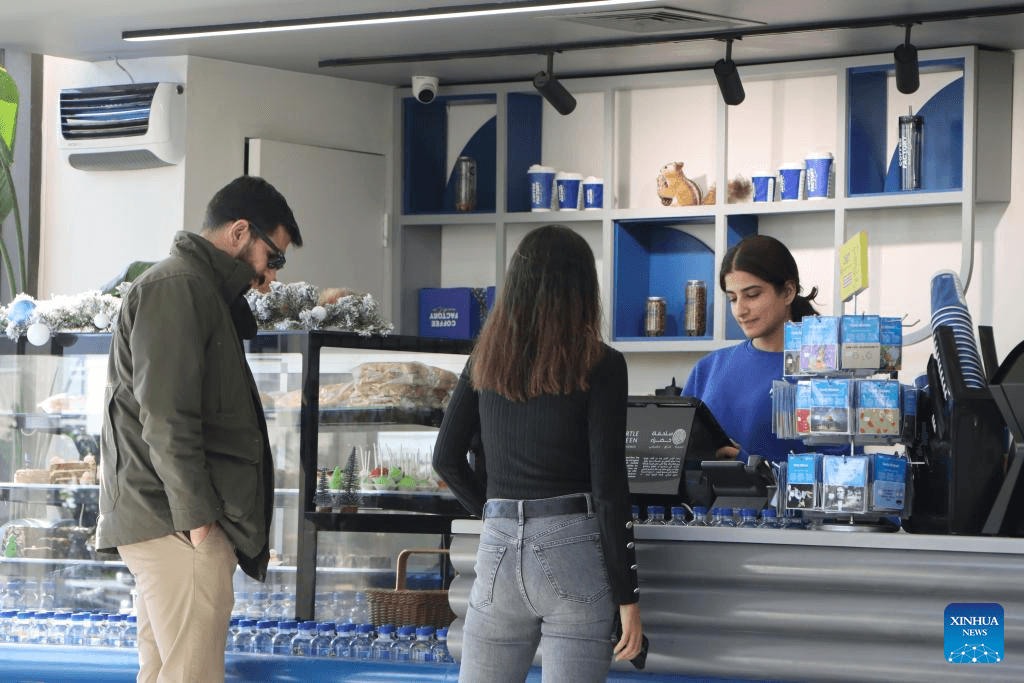
According to the report, coffee in Jordan is no longer limited to social occasions and formal gatherings. Instead, it has become a regular part of everyday routines, particularly in urban centers such as the capital, Amman, where specialty cafés continue to expand.
Amin Alasoufi, head of the Economic Studies and Research Department at the Amman Chamber of Industry, was quoted as saying that coffee has evolved from a symbol of hospitality into a daily consumer product. He noted that population density, urbanization, and changing work and social habits have contributed to rising demand.
Official data cited in the report show that Jordan imported more than 55,600 tons of coffee in 2024, valued at 151.2 million Jordanian dinars, or approximately 213 million U.S. dollars. Average annual per capita consumption has reached around 5 kilograms, indicating steady and sustained growth.
The expansion of the café sector reflects this trend. The number of cafés operating nationwide has exceeded 1,664, marking a 9.6 percent increase compared with 2023. Many cafés now serve as multipurpose spaces for social gatherings, informal meetings, and study sessions.
Xinhua also quoted Mohammad Odeh, who opened a specialty coffee shop in western Amman three years ago, as saying that coffee consumption remains stable regardless of economic conditions. He explained that while consumers may reduce spending in other areas, coffee continues to be a daily necessity.
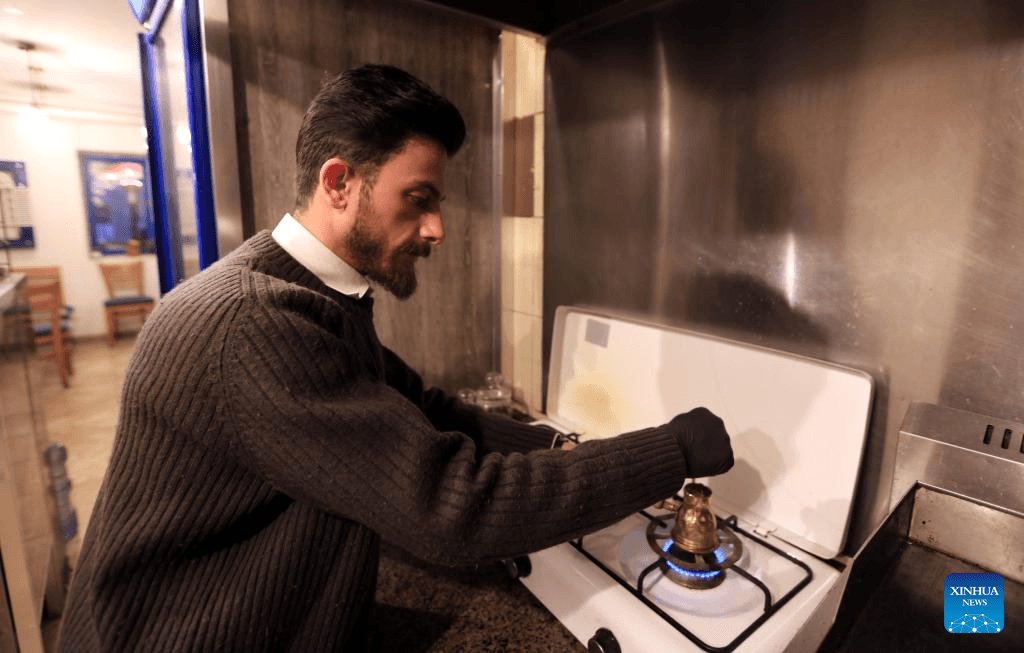
From a social perspective, the report cited sociologist Fadia Ibrahim, who attributed the shift to broader changes in social behavior. She noted that traditional Arabic coffee continues to symbolize hospitality, respect, and social cohesion, particularly during weddings, funerals, and reconciliation events. At the same time, modern cafés appeal to younger generations seeking flexible social spaces and diverse flavor options.
In downtown Amman, traditional Turkish coffee houses continue to operate alongside modern cafés, reflecting a balance between heritage and contemporary lifestyles. Saif Abdulmunem, owner of Central Cafe, one of the city’s oldest cafés established in the 1930s, told Xinhua that while modern café concepts have influenced the market, traditional cafés still attract customers seeking authenticity and familiar social environments.
The report concluded that for many Jordanians, the cultural meaning of coffee outweighs distinctions between traditional and modern settings. Ahmad Khalil, a 42-year-old employee from Amman, was quoted as saying that coffee is always the first thing offered to guests, regardless of the occasion, as a sign of respect and hospitality.
Gallery