Loading page...
Please wait...
Browse all articles tagged with "Coffee Culture"
 News
NewsADDIS ABABA — QAHWA WORLD Ethiopian communications firm Adsolute Communications is launching “Addis Ababa: The World’s Coffee Capital”, a campaign highlighting the Ethiopian capital as a destination for experiencing the country’s coffee culture, from traditional coffee ceremonies and neighbourhood buna spots to cafés, roasters and emerging coffee experiences across the city. The campaign will be</p>
 Reflections
Dubai – Qahwa World celebrates International Coffee Day. When we raise a warm cup of coffee to our lips each morning, we are not merely consuming a comforting beverage to dispel the vestiges of sleep; we are partaking in a rich human history shaped by passion, patience, and global interplay. On this October 1, 2026,</p>
 News
NewsSource: Morning Consult / Bill Pink Author: Editorial Team Date: July 27, 2026 Dutch Bros Over-Indexes on Coffee and Energy Boost Ritual Dutch Bros holds 2.0 mental market share against 2.2 market share, a near-perfect match. The brand over-indexes on morning coffee (+9.3), energy boost (+9.1), and coffee to share with coworkers (+10.0). Dutch Bros</p>
 Reflections
Harar blends centuries of coffee heritage, Islamic history and warm hospitality. The inaugural Great Harar Run offers visitors a new way to discover one of Ethiopia’s most remarkable cities. By Tewodros Balcha | Exclusive for Qahwa World Thousands of runners passed through the ancient gates of Harar today, transforming one of Africa’s oldest living cities</p>
 Reflections
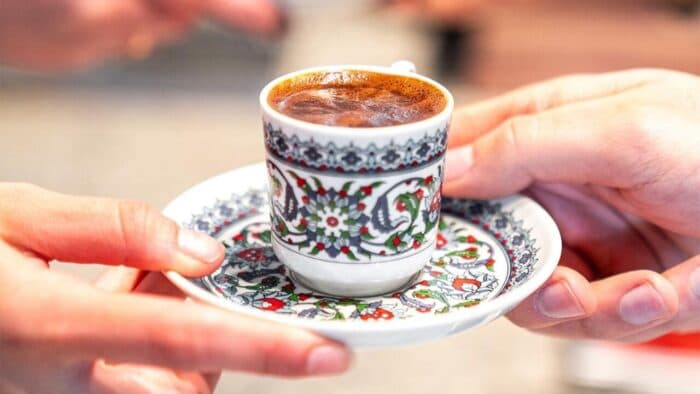
Source: Qahwa World | Author: Serkan Oral | Date: June 23, 2026 Turkish Coffee & Arabic Coffee — Two Cups, One Soul From the Article: Turkish and Arabic coffee share a common historical root, stretching from the highlands of Ethiopia through Yemen to the Islamic world. Both are prepared without filtering, served in small cups,</p>
 News
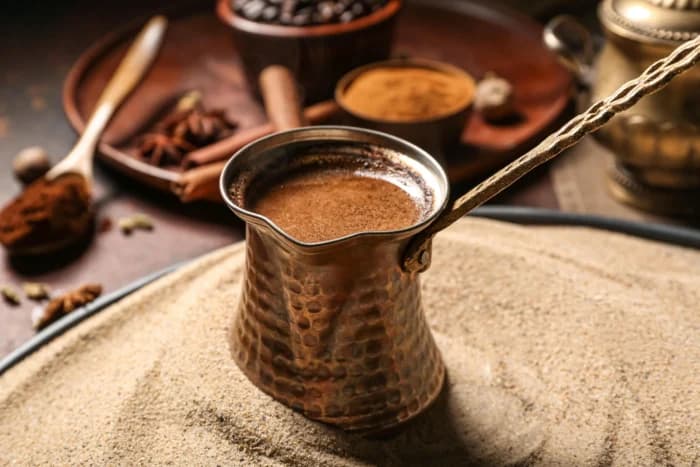
NewsAuthor: Qahwa World Source: Original reporting on Turkish coffee culture Date: May 30, 2026 Turkish Coffee Culture: From Kahvehane to Specialty Bars Executive Summary: Turkish coffee culture is one of the world’s oldest. UNESCO recognizes it for its brewing rituals and social traditions. Key features include very fine grind, brewing in a cezve, and serving</p>
 Reflections
Author: Carolina Gutierrez Source: LinkedIn Date: May 20, 2026 Executive Summary: The best coffee experiences are built on hospitality, connection, simplicity, and humility, not on ego. Consumers rarely build loyalty to a brand simply because they were educated. They return because of how the experience made them feel. People remember experiences far more emotionally than</p>
 Reflections
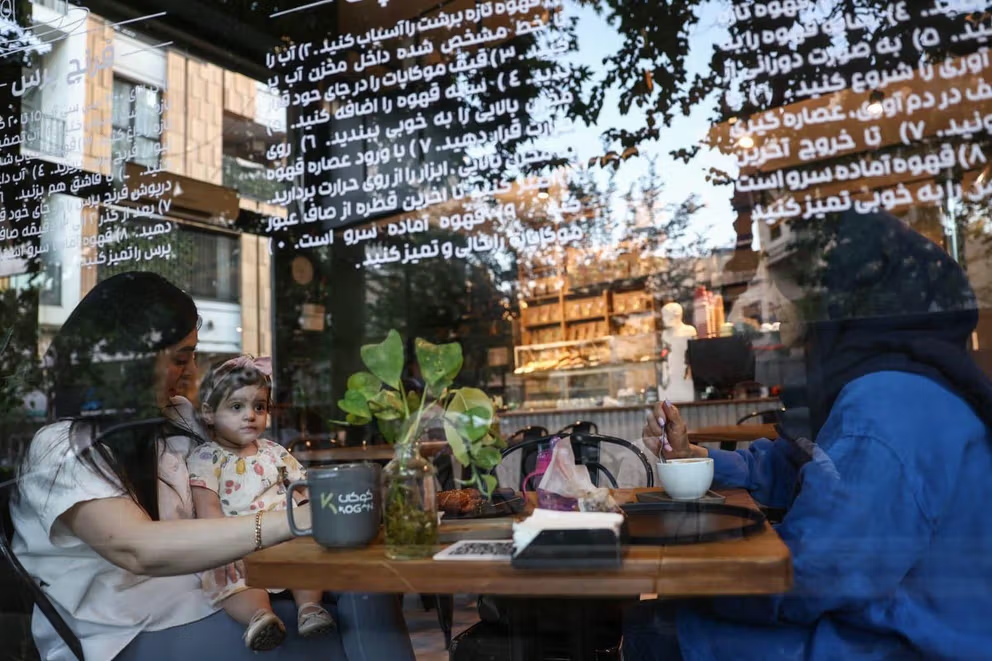
Source: Iran International Author: Maryam Sinaiee Date: May 16, 2026, 08:37 GMT+1The Iran café crisis economic collapse has been making headlines in recent months. Executive Summary Café operating costs in Tehran have more than doubled, while customer numbers have fallen by up to 50 percent in recent months. The head of Tehran’s coffee shop union</p>
 News
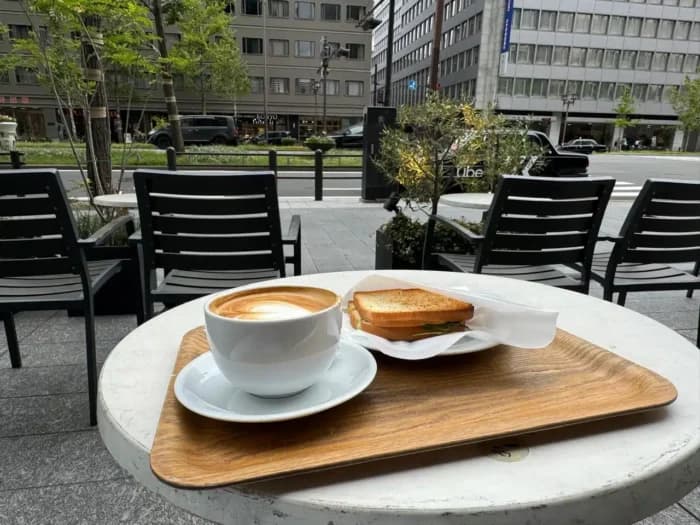
NewsAuthor: Coffee World Source: El.kz Date: May 17, 2026 Executive Summary: Coffee consumption in Kazakhstan rose by approximately 24 percent over the past year. In the capital Astana, sales increased by 31 percent, while Almaty recorded a 16 percent rise. The most coffee-consuming age group is between 18 and 40 years old. Cappuccino and latte</p>
 News
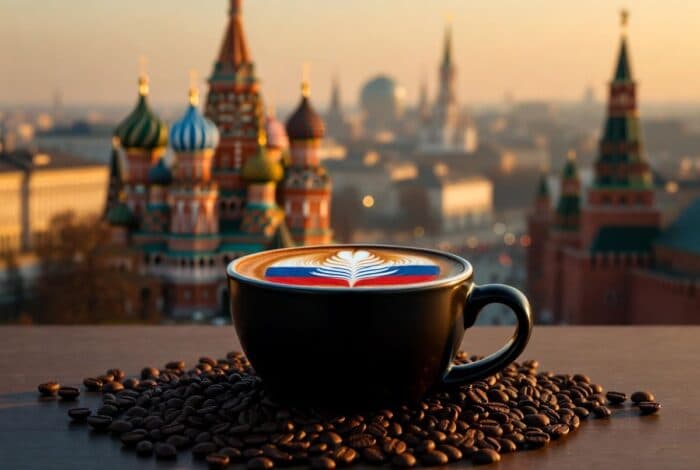
NewsAuthor: Qahwa World Source: Industry reports and TASS news agency Date: May 17, 2026 Executive Summary: Economist Svetlana Ilyashenko announces that Russia has completely transformed from a tea country to a coffee country. The turning point was 2016, when coffee imports exceeded tea imports for the first time in history by 4 percent. Russian per</p>
 Reflections
By: Rached Dabdob Between poison and coffee lies the brilliance of a well-crafted reply. Coffee has always occupied a place in the history of political sparring, where great conflicts are often distilled into a single sentence. Perhaps the famous exchange between Winston Churchill and Nancy Astor remains the finest example of what Arabs describe as</p>
 Reflections
Dubai – Qahwa World Brazil continues to lead the global coffee industry, not only as the largest producer but also as one of the biggest consumers. This balance between production and domestic demand has created a resilient coffee sector that can adapt to global market shifts. Key Insights Brazil is a top global coffee producer</p>
