By: Soumya Gayatri
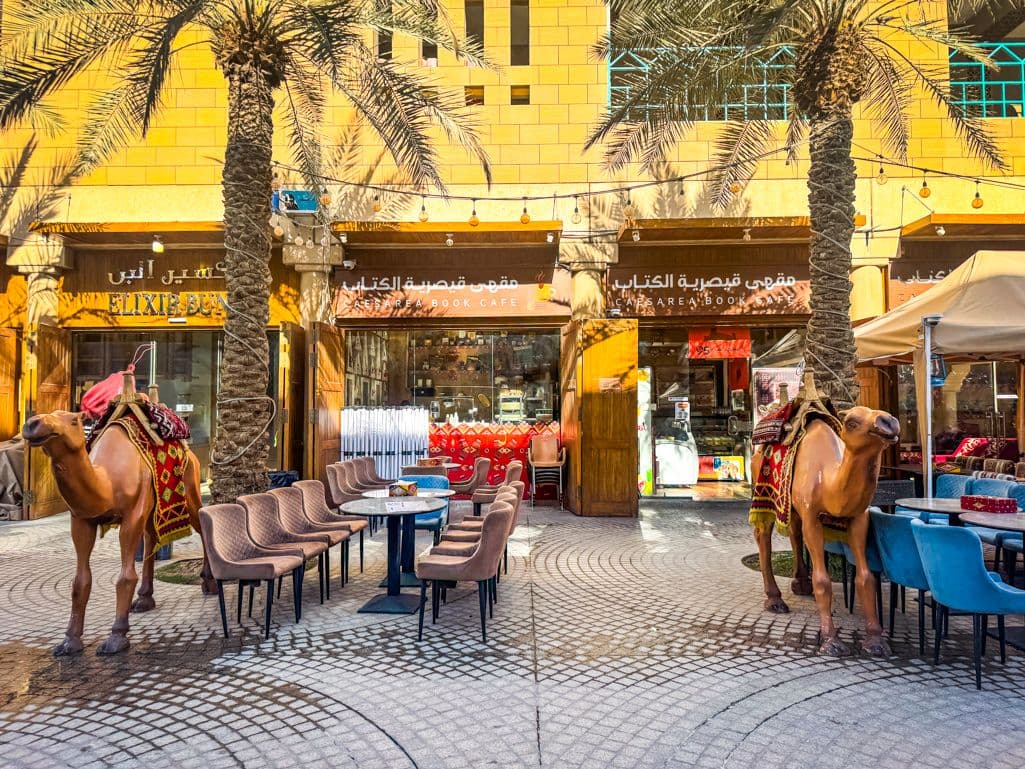
On a winter morning in Riyadh’s historic AlSafat Square, Qaysariat Al-Kitab — a traditional book cafe adorned with Najdi architectural motifs — offers more than coffee. It provides a setting where heritage, literature and conversation intersect, reflecting a broader transformation underway in Saudi Arabia’s coffee landscape.
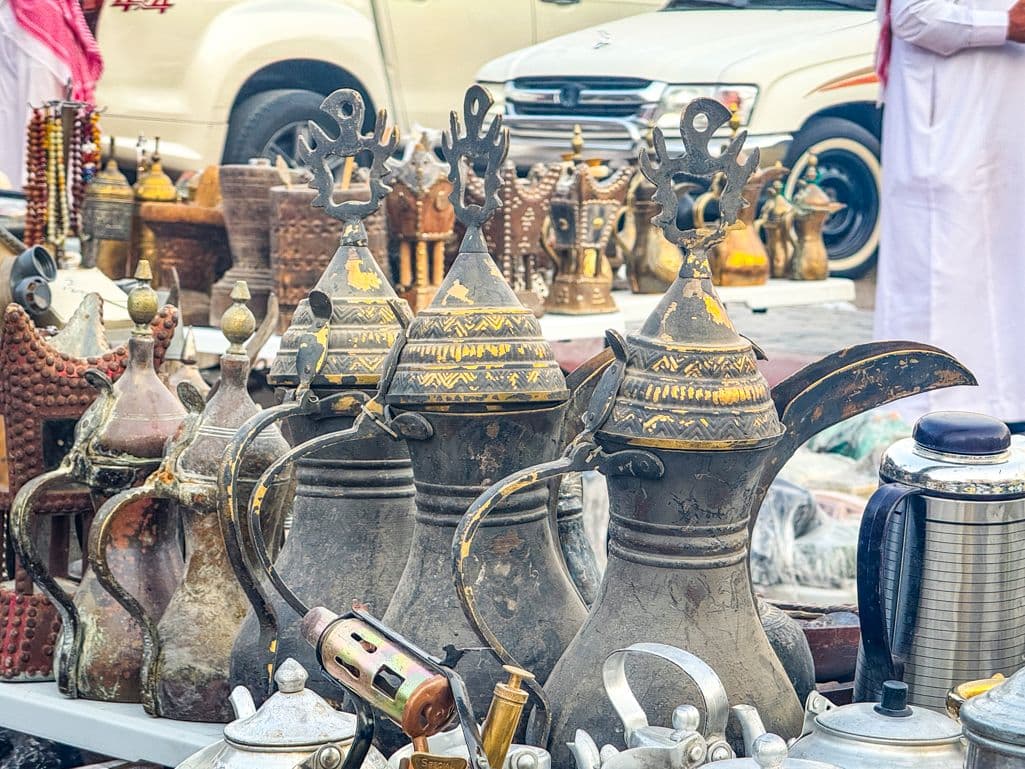
Coffee in the kingdom has long been embedded in rituals of hospitality. Brewed in a long-spouted dallah and poured into small handleless cups known as finjan, Saudi coffee is served according to established social codes. The sequence of serving, the amount poured and the guest’s gestures all carry meaning. In many households, this ceremonial practice remains a daily custom, reinforcing coffee’s role as a cultural and moral obligation rather than a simple refreshment.
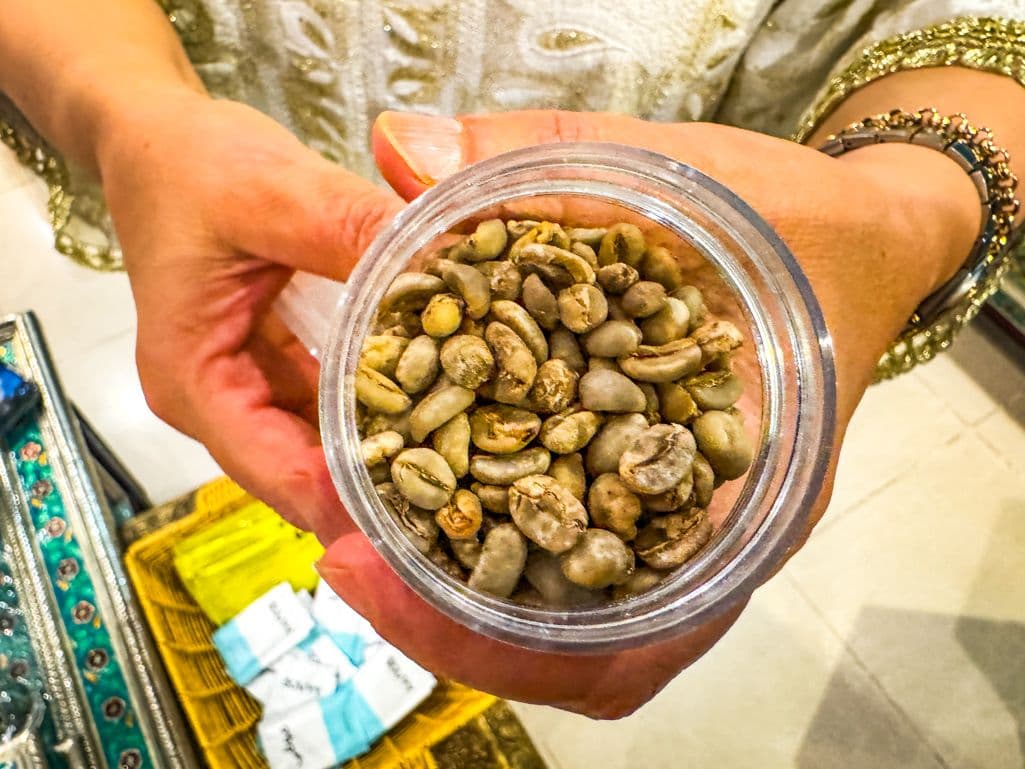
Historically, coffee traveled from Ethiopia to Yemen in the 15th century before spreading across the Arabian Peninsula through trade routes. In what is now southern Saudi Arabia — particularly the mountainous regions of Jazan, Al-Baha and Asir — cultivation took root. Jazan’s highlands are known for producing Khawlani beans, while associated agricultural traditions have received recognition as intangible cultural heritage by UNESCO.
You may like: How Ramadan’s Coffee Economy is Reshaping Global Supply Chains
As coffee spread, public coffeehouses emerged along caravan routes and in urban centers, serving as spaces for discussion, poetry and debate. Today, that social function is being revived amid what observers describe as a Saudi coffee renaissance — a period marked by expanding specialty cafes, growing domestic production and strong government support aligned with Vision 2030.
Saudi Arabia’s coffee market is currently valued between $1.3 and $1.9 billion annually, with more than 36 million cups consumed daily. Industry projections indicate the number of coffee outlets could exceed 5,350 by 2027, positioning the kingdom as the largest branded coffee shop market in the Middle East.
In 2022, the Saudi Coffee Company was launched to promote sustainable cultivation and global marketing of Khawlani coffee. Initiatives include planting hundreds of thousands of trees, training farmers in post-harvest handling and introducing modern irrigation and agricultural management systems to enhance productivity and quality.
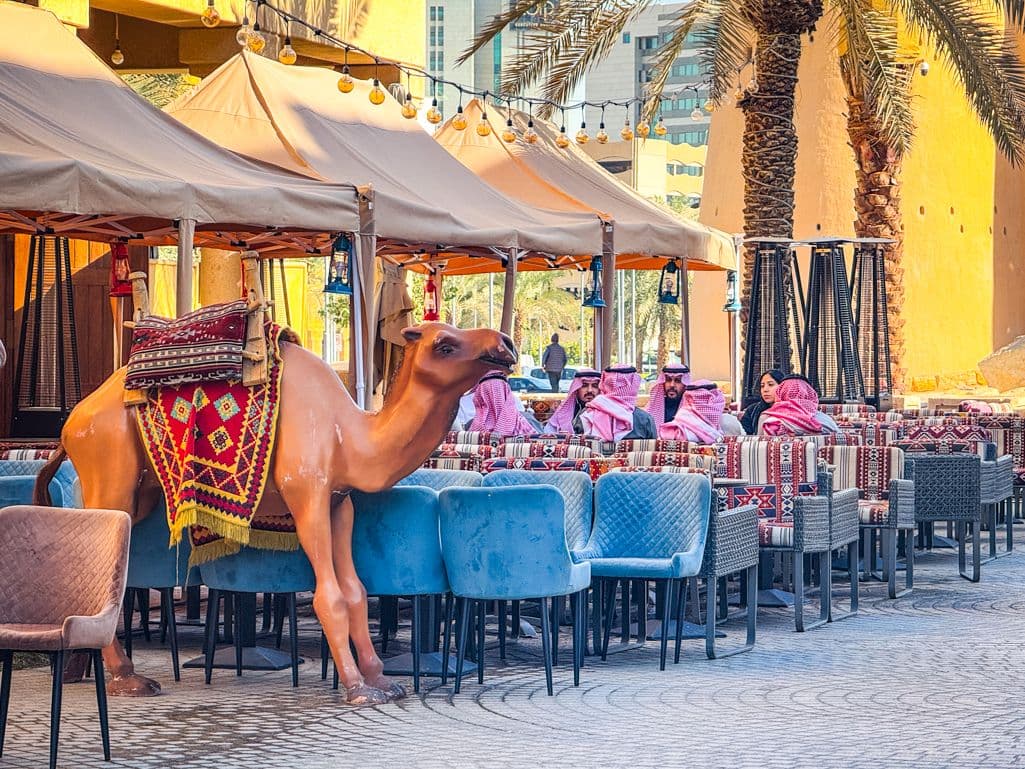
Alongside these efforts, local specialty chains have expanded rapidly, responding to growing consumer interest in origin, roasting techniques, flavor profiles and ethical sourcing. Rather than displacing traditional practices, modern coffee culture has integrated with them. It is increasingly common to see consumers move from a traditional evening coffee gathering to a contemporary cafe serving craft beverages.
Today’s cafes are also reclaiming their historical role as cultural hubs. Book readings, poetry evenings and creative workshops are regularly hosted in coffee spaces across Riyadh and other cities. These venues function as “third places” — environments beyond home and work — where community interaction, creativity and dialogue flourish.
As Saudi Arabia’s coffee culture evolves, it is reconnecting with its roots. The renewed emphasis on shared experience — once central to historic coffeehouses — suggests that in the kingdom, coffee remains as much about the space and the social exchange as it is about the drink itself.
Gallery