Executive Summary:
- Switzerland ranks second globally in coffee exports, with an annual value of 3.3 billion Swiss francs ($4.2 billion).
- Green coffee enters Switzerland at $5 per kilogram, and after roasting, its value jumps to $26.80 per kilo.
- Coffee accounts for 33% of Swiss agricultural exports, surpassing cheese and chocolate.
- A legal concept called “substantial transformation” allows Switzerland to label roasted coffee as Swiss-made.
- Swiss companies produce about 70% of all fully automatic coffee machines sold worldwide.
- An estimated 60–70% of the global green coffee trade passes through Swiss trading desks.
- The success of capsule coffee systems, especially Nespresso, boosted Swiss exports sharply from the early 2000s.
Switzerland has achieved an economic miracle that defies logic. Despite being a small country with a climate unsuitable for growing coffee, it has become the world’s second largest coffee exporter. Only Brazil exports more. According to recent figures, Switzerland ships coffee worth about 3.3 billion Swiss francs ($4.2 billion) annually, outpacing giants like Colombia, Ethiopia, and Vietnam all of which actually grow coffee.
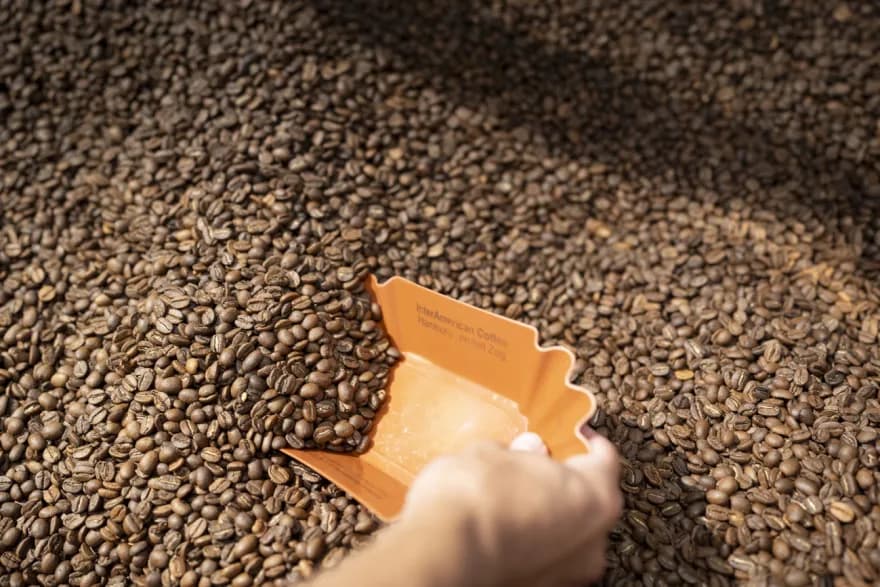
The secret lies in processing, not farming. Switzerland imports green (unroasted) coffee beans from producing nations, then roasts and packages them locally. International trade rules consider roasting a “substantial transformation.” This legal nuance allows Swiss companies to label the final product as Swiss-made, even though the beans came from elsewhere.
From $5 to $26.80: The Value-Add of Roasting
According to the Swiss Trade Monitor from the University of St. Gallen, green coffee enters Switzerland at an average price of $5 per kilogram. After local roasting plants process the beans, their export value reaches $26.80 per kilo. This massive increase makes coffee Switzerland’s most important agricultural export today. With a share of around 33%, coffee even surpasses traditional exports such as cheese and chocolate.
In terms of pure export volume, Switzerland lags slightly behind Italy and Germany. However, its specialization in high-priced, portioned products such as capsules explains why it leads these countries in total export value.
‘Substantial Transformation’: The Legal Trick Behind the Success
Why is coffee that is only roasted in Switzerland allowed to carry a Swiss cross on its packaging? The answer is a legal finesse called “substantial transformation.” Under international trade law, a product’s country of origin is the nation where the product underwent its last substantial transformation. For coffee, customs authorities worldwide have ruled that roasting green beans qualifies as such a transformation. This subtlety has turned Switzerland into one of the world’s largest coffee-producing countries—without a single coffee plantation on its soil.
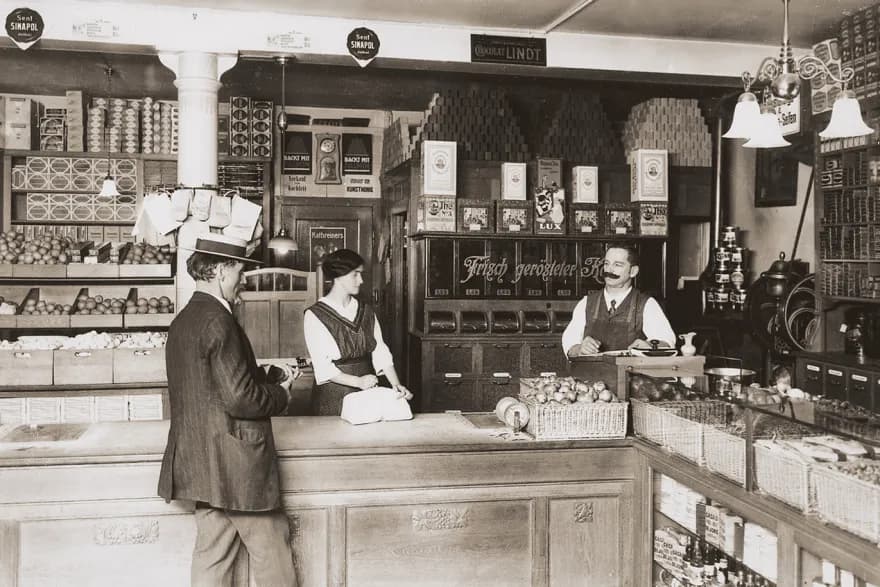
Nearly all green coffee arrives via the Rhine River. Beans first reach seaports such as Antwerp, Rotterdam, or Hamburg. Barges then transport them up the Rhine to Basel, where many large green coffee trading companies have set up their headquarters.
‘Coffee Valley’ and Global Leadership in Coffee Machines
Around Lake Geneva and in eastern Switzerland, entire ecosystems have developed. Experts often call this region “Coffee Valley.” It hosts not only giants like Nestlé (with Nescafé and Nespresso) but also the industry’s technology leaders.
Switzerland is the undisputed leader in the market for fully automatic coffee machines. About 70% of all such machines sold worldwide come from Switzerland. Leading manufacturers include Jura, Schaerer, and Thermoplan. Thermoplan, for example, supplies all coffee machines for Starbucks branches worldwide. Swiss suppliers of highly specialized precision components also drive this success. These plastic parts must withstand extreme pressures of up to 20 bar and temperatures of 100°C—essential for brewing fine espresso.
Switzerland as a Global Green Coffee Trading Hub
Switzerland’s role as a commodity trading center also explains its coffee dominance. According to the Swiss Trade Monitor, an estimated 60% to 70% of the global green coffee trade passes through Swiss desks. In addition, more than 40 members of the Swiss Coffee Trade Association control over half of all green coffee traded worldwide.
Export figures jumped sharply from the early 2000s onward, largely due to the success of capsule systems. Market leader Nespresso produces its capsules for the global market exclusively in three Swiss factories. Switzerland is also a major exporter of instant coffee and other highly processed specialties positioned in premium segments worldwide.
Key Data: Switzerland and the Global Coffee Trade
| Indicator | Value |
|---|---|
| Switzerland’s global coffee export rank | Second (after Brazil) |
| Annual coffee export value | 3.3 billion CHF ($4.2 billion) |
| Green coffee import price (per kg) | $5.00 |
| Roasted coffee export price (per kg) | $26.80 |
| Coffee’s share of Swiss agricultural exports | 33% |
| Global market share of Swiss automatic coffee machines | 70% |
| Estimated global green coffee trade via Swiss desks | 60–70% |
The Dark Side: Colonial Roots and Ethical Challenges
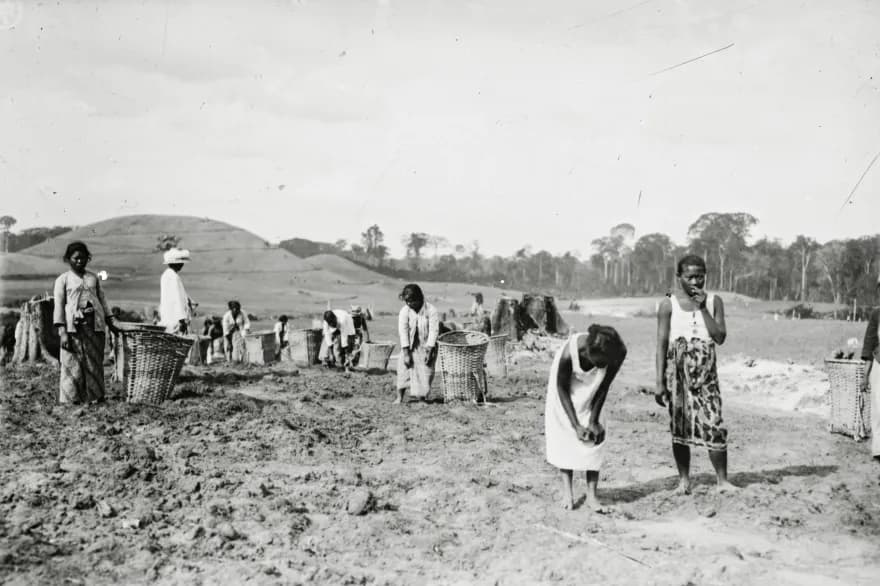
Any celebration of Switzerland’s coffee success must acknowledge the industry’s colonial origins. Although Switzerland never had its own colonies, prominent Swiss families owned coffee plantations. The Escher family, for example, owned a coffee plantation in Cuba. According to historical records, slaves guarded by dogs worked there for 14 hours a day. Some Swiss families were also deeply involved in transporting slaves and coffee—a practice researchers call “triangular business.”
Today, the industry still struggles with its image. Ecological and social problems persist in coffee-growing countries. After the European Union enacted a regulation on deforestation-free products, Switzerland launched the Swiss Platform for Sustainable Coffee. Targeted projects aim to improve living conditions for small farmers and make supply chains more transparent. However, critics doubt the platform’s success. They note that the model relies on voluntary action rather than binding legal obligations.
Therefore, the final chapter of the Swiss coffee saga remains unwritten. Global interdependencies continue to draw criticism, and sustainability challenges await stricter, more effective solutions.
Frequently Asked Questions (FAQ)
1. How does Switzerland export coffee without growing it?
Switzerland imports green coffee beans from producing countries, then roasts and processes them locally. Under international trade law, roasting counts as “substantial transformation,” allowing Swiss origin labeling.
2. What is the annual value of Swiss coffee exports?
Switzerland exports coffee worth about 3.3 billion Swiss francs ($4.2 billion) per year, making it the world’s second largest exporter after Brazil.
3. What share of the global coffee machine market does Switzerland hold?
Swiss companies produce approximately 70% of all fully automatic coffee machines sold worldwide, led by Jura, Schaerer, and Thermoplan.
4. What is “Coffee Valley” in Switzerland?
“Coffee Valley” refers to the ecosystem around Lake Geneva and eastern Switzerland, where major companies like Nestlé (Nespresso, Nescafé) and coffee machine technology leaders are based.
5. What criticisms does the Swiss coffee industry face?
Critics point to colonial-era roots (Swiss-owned plantations using slave labor) and ongoing environmental and social issues in producing countries. They also argue that Switzerland’s sustainability model is voluntary, not legally binding.
6. How did capsule coffee boost Swiss exports?
Nespresso produces all its capsules exclusively in three Swiss factories. The success of capsule systems from the early 2000s sharply increased Swiss coffee exports, especially in high-value product categories.
Published: May 16, 2026 | Figures subject to updates based on latest official releases.
Gallery