Author: Qahwa World |
Date: June 12, 2026
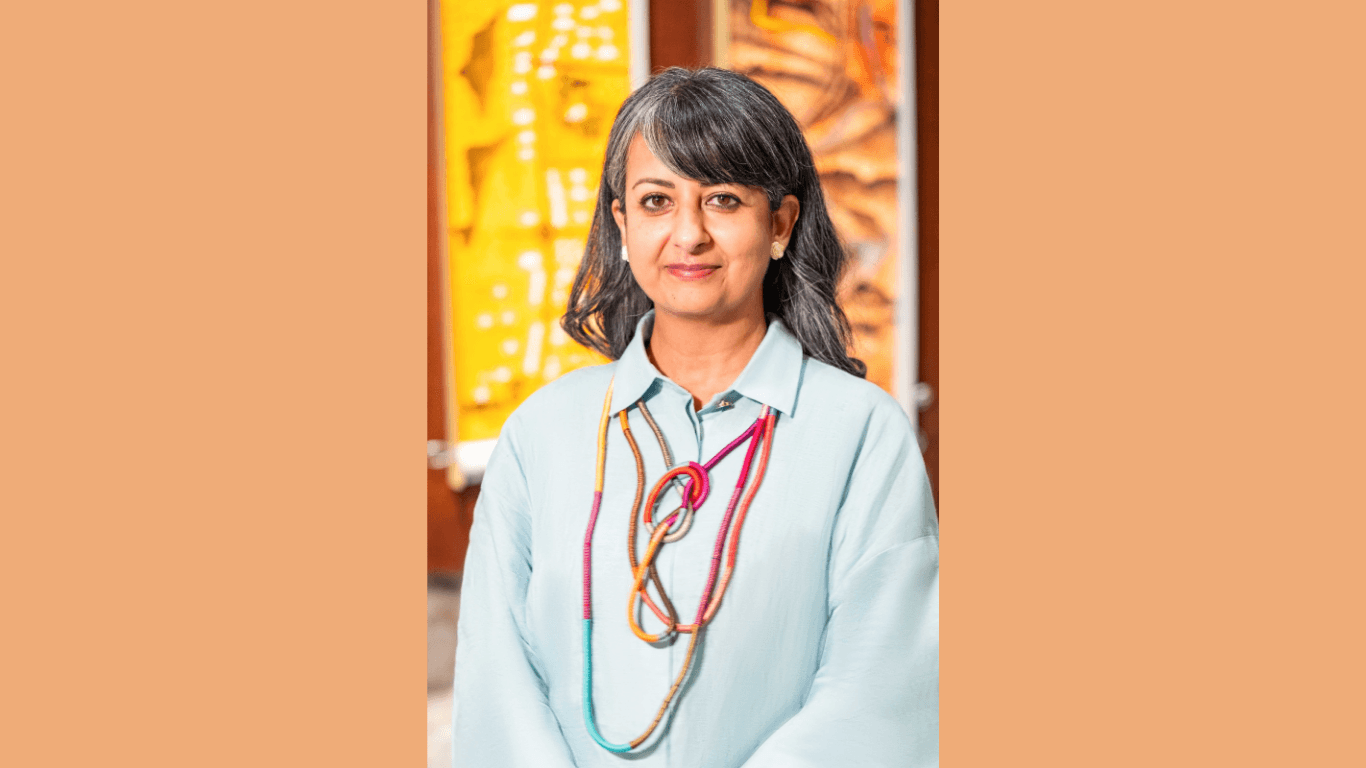
Laila Binbrek: Bridging Cultures Through Art – An Exclusive Interview with the Director of the UAE National Pavilion at the Venice Biennale
Key Takeaways:
- Laila Binbrek has lived in five countries: the UAE, Canada, Saudi Arabia, Egypt, and England – shaping her layered, evolving cultural identity.
- As Director of the UAE National Pavilion, she translates Emirati heritage into universal language through rigorous research and authentic dialogue.
- The UAE won the Golden Lion at the Venice Biennale in 2021 – a historic recognition of years of cultural investment.
- Her background as a painter and sculptor influences her administrative and curatorial decisions, treating management as “cultural composition.”
- Nearly 300 interns have been sent to Venice through the Pavilion’s program, returning as confident contributors to global cultural conversations.
- Binbrek believes art is the most powerful tool for community integration, fostering empathy and exchange beyond language and geography.
Not everyone who manages art was once an artist. And not every artist can translate their inner passion into an institutional vision that spans decades. Laila Binbrek bridges both worlds: the eye of an artist trained in painting and sculpture in Canada, and the strategic mind that leads the UAE National Pavilion at the world’s most prestigious art forum.
Five countries have shaped her. The UAE, Canada, Saudi Arabia, Egypt, and England – each leaving its mark on her soul. She has come to believe that identity is not fixed, but layered and continuously evolving. This movement between geographies did not scatter her; it gave her a rare gift: the ability to translate – not simply between languages, but between worldviews.
In 2021, at a defining moment, Laila stood with her team as news broke that the UAE had won the Golden Lion at the Venice Biennale. It was not merely an award. It was international recognition of years of quiet investment in artists, researchers, and cultural infrastructure. Proof that a nuanced narrative emerging from the UAE could stand at the center of global cultural conversation.
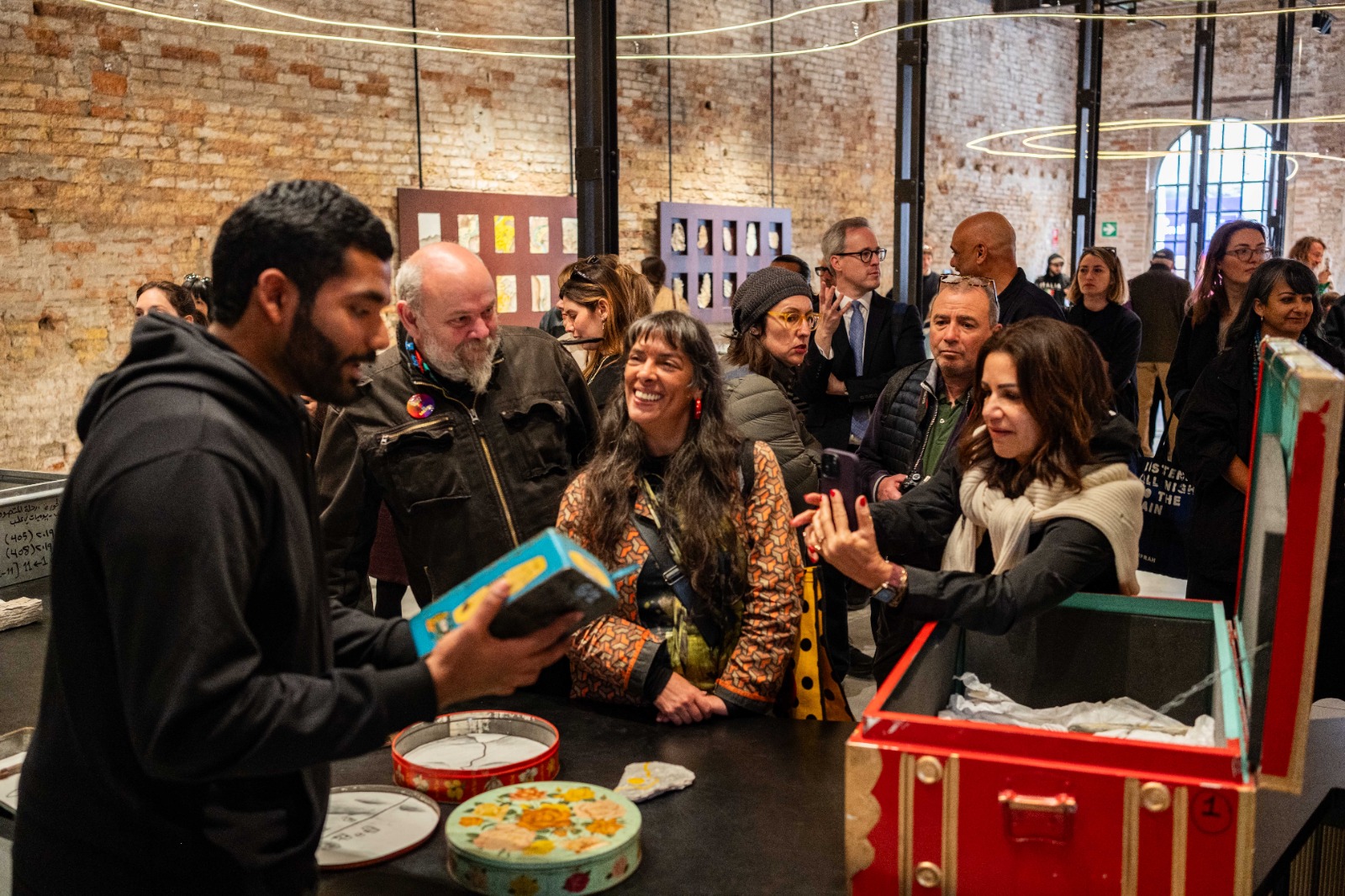
Yet Laila did not stop at the victory. She launched an internship program, sending nearly 300 young men and women to Venice as ambassadors of their culture. They return carrying new confidence, broader horizons, and the realization that they are not spectators in the global cultural scene – but active contributors.
In this deep interview, Laila Binbrek reveals her philosophy of building bridges between undiscovered Emirati heritage and global audiences. She speaks of the transition from painting and sculpture to directing a national pavilion, and of her firm belief that art is the most powerful tool for bringing diverse communities together. We invite you to discover the story of the UAE Pavilion at the Venice Biennale through the eyes of the woman behind it – a journey of layered identity, historic achievement, and a vision reaching into the future.
Theme 1: Cultural Identity & Global Bridges
Q: A Journey Across Five Nations: You have lived in Canada, the UAE, Saudi Arabia, Egypt, and England. How has this nomadic lifestyle shaped your “cultural identity”? Is there a specific “essence” or memory from each country that still influences your perspective today?
Having lived across multiple countries, I’ve come to understand identity not as something fixed, but as something layered and continuously evolving. Each place has shaped how I listen, observe, and understand the ways I, and the people around me, construct meaning and belonging. Moving between geographies and between cultures has given me an appreciation for openness and the idea that multiple identities can coexist without contradiction. This exposure enabled me to develop deep understanding of culture and the value of continuity, tradition, and the sense that culture is lived, organic, and constantly in motion.
Collectively I would say my experiences have made me deeply attentive to translation — not simply between languages, but between worldviews. They’ve shaped my belief that cultural work is ultimately about building bridges between contexts while preserving complexity and nuance.
Q: The Venice Biennale: As the Director of the National Pavilion UAE, how do you manage to “translate” the undiscovered aspects of Emirati heritage into a universal language that resonates with a global audience in Venice?
Participating in the Venice Biennale offers an opportunity to participate and invite dialogue that transcends geographies. When an exhibition is deeply honest in its engagement with place, this is where resonance can happen: not through simplification, but through invitation and dialogue.
The UAE signed a long term agreement with La Biennale in 2013. This gave us the opportunity to build our narratives over time, and each year that we participate provides an opportunity to move beyond familiar or stereotypical narratives and instead, together with each curatorial team, we create space for a more complex, nuanced story that highlights the intellectual depth of UAE cultural production that has emerged.
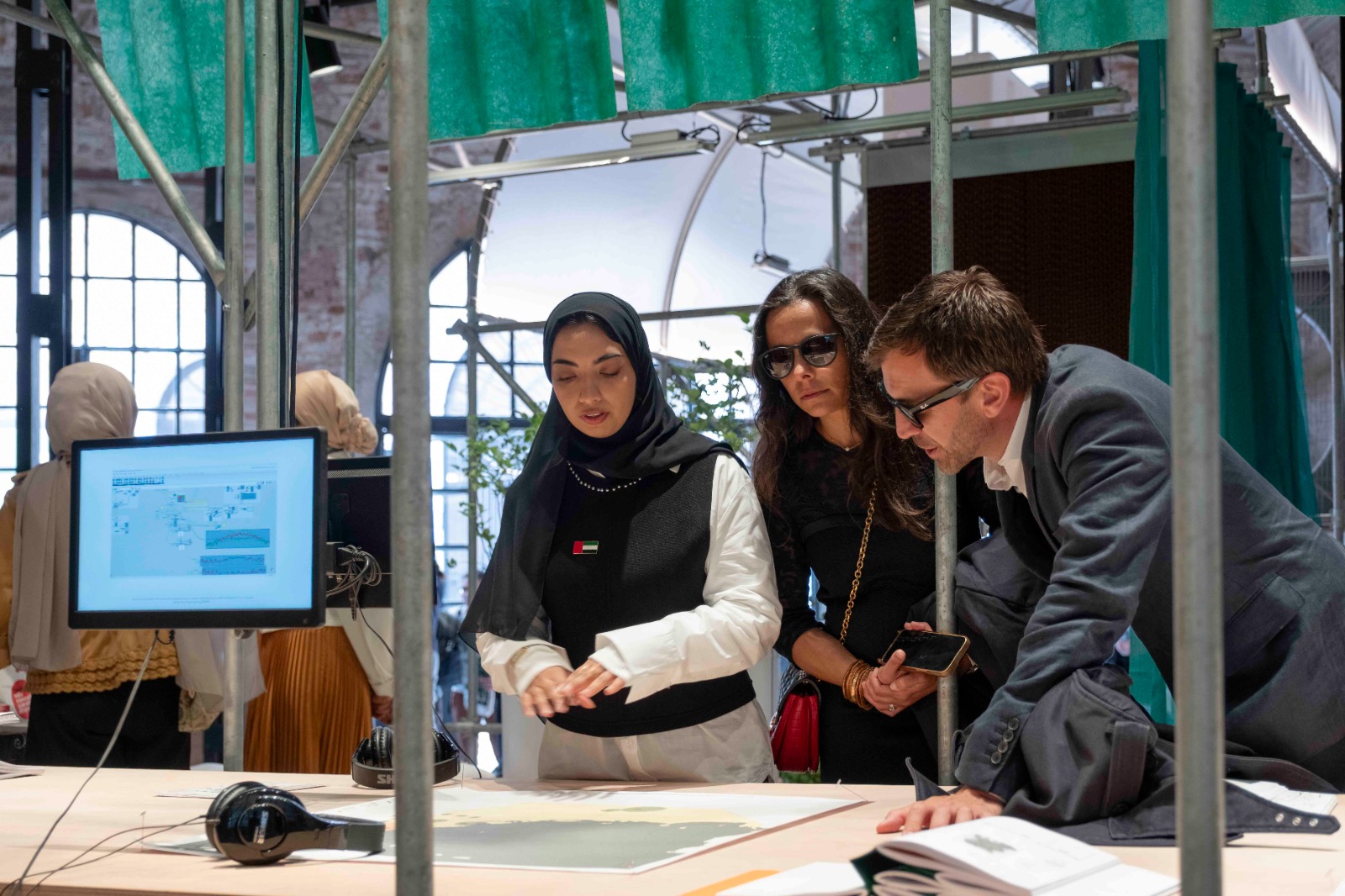
Our role is to frame conversations and our stories thoughtfully so that its specificity becomes the very source of its universality. We do this through rigorous research, close collaboration with artists and curators, and by grounding each exhibition in questions that are both locally rooted and globally resonant.
Q: The Golden Lion Achievement: Winning the Golden Lion in 2021 was a historic milestone. Can you describe the moment you realized the UAE had won? How has this achievement redefined your vision for the pavilion’s future?
It was an extraordinary moment — one marked by celebration and by a profound sense of responsibility.
The realization that the UAE had been awarded the Golden Lion was deeply moving because it represented international recognition not only of a single exhibition, but of years of sustained investment in artists, curators, research, and cultural infrastructure.
What made that moment particularly meaningful was what it symbolized: that a nuanced, critically engaged narrative emerging from the UAE could stand at the center of a global cultural conversation.
The achievement also shifted our perspective on what is possible. It reaffirmed that the pavilion’s role is not simply to participate, but to lead — to commission scholarship, to support experimental artistic practices, and to cultivate future generations through initiatives like the Venice Internship, whose alumni are now contributing across the UAE’s cultural sector.
The award raised the bar for all of us. It reinforced our commitment to building a pavilion that is not defined by singular milestones, but by long-term impact: creating a lasting intellectual and cultural legacy that continues to shape how the UAE is understood globally.
Theme 2: The Artist Behind the Director
Q: From Sculpture to Strategy: Your background is in Fine Arts, specifically painting and sculpture. How does the “artist’s eye” within you influence your high-level administrative decisions and the way you curate the National Pavilion?
An artist is constantly balancing intuition and experimentation with discipline, concept with execution, and vision with material constraints. Those same principles can apply to all walks of life, and in this particular instance to directing a national pavilion.
My background as an artist trained me to understand how ideas take form, the value of experimentation, and how meaning is constructed through context, proportion, rhythm, and relationships between elements.
It allows me to approach administration not as purely operational work, but as a form of cultural composition. Building an exhibition, cultivating partnerships, mentoring emerging talent, and shaping long-term institutional vision all require the same sensitivity to structure, coherence, and intention that artistic practice demands.
The artist’s eye also fosters patience with experimentation. Some of the most meaningful cultural outcomes emerge through processes that are repetitive and exploratory. My role is often to create the conditions in which that experimentation can flourish while ensuring it is supported by rigorous frameworks and timelines.
Q: “Mirror, Mirror”: Your artwork is part of the permanent collection at the Canadian Museum of History. If you were to create a new piece today that captures the spirit of the contemporary UAE art scene, what materials and emotions would it embody?
If I were to create a work today reflecting the contemporary UAE art scene, it would be deeply concerned with transformation — with the tension between permanence and flux.
The contemporary UAE art scene is defined by remarkable intellectual openness. It is shaped by conversations across generations, geographies, and disciplines. There is an energy of becoming — a confidence in experimentation coupled with an ongoing negotiation with history, language, and belonging. There is a sense of both restlessness and quiet assurance: the sense of a culture continuously defining itself while remaining deeply anchored in place.
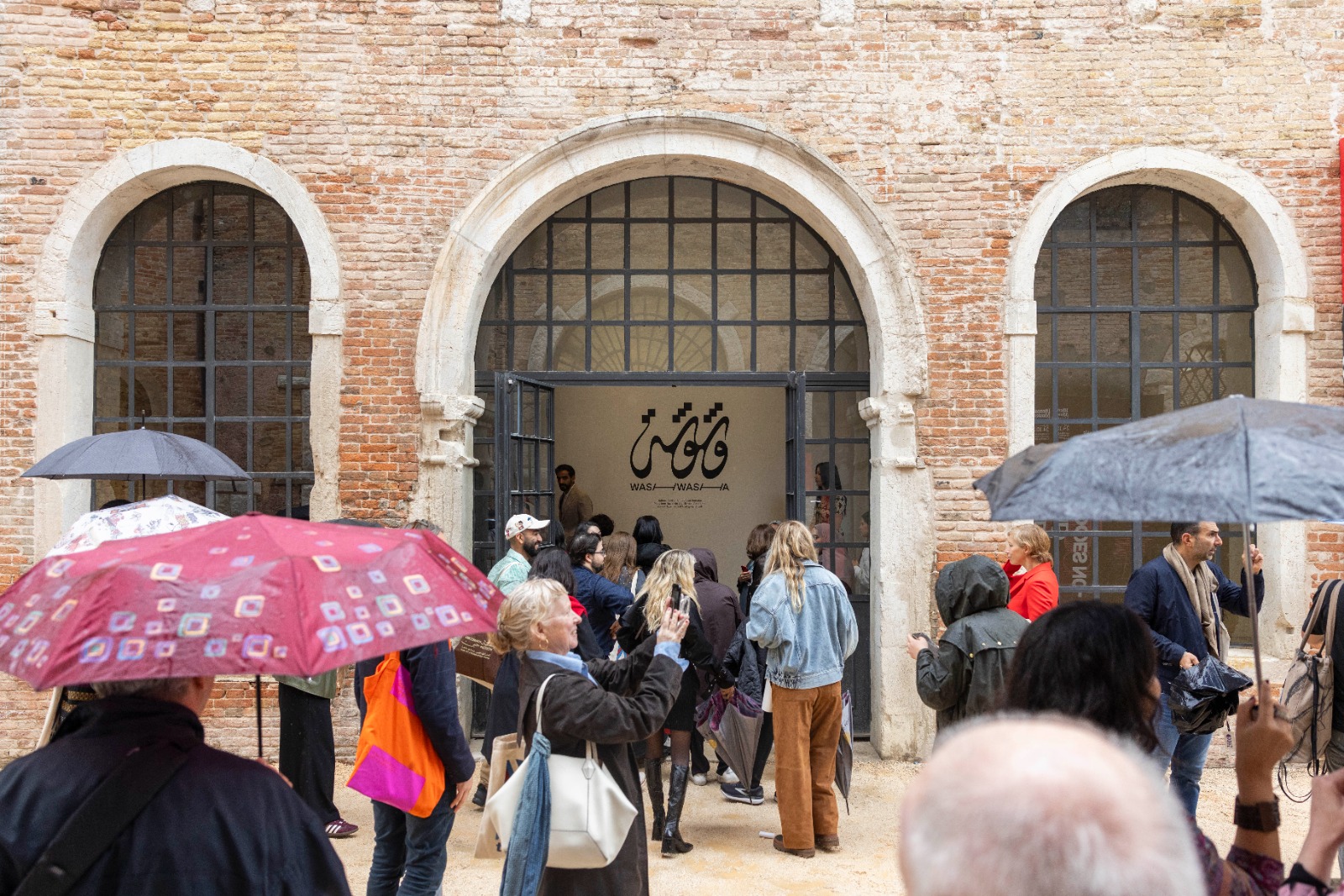
Theme 3: Community Engagement & Mentorship
Q: The Venice Internship Program: You’ve sent nearly 300 interns to Venice as cultural ambassadors. What is the most profound transformation you see in these young Emiratis after they experience the global stage?
What is most remarkable is the shift in confidence.
Many arrive with curiosity and potential, but Venice often gives them something transformative: the realization that they belong within global cultural conversations — not as observers, but as contributors. The experience exposes them to international artistic discourse at the highest level while positioning them as representatives of the UAE. That combination of responsibility and exposure often catalyzes extraordinary growth.
Our aim is that they return with expanded horizons, sharper critical perspectives, and a deeper understanding of the importance of culture in cultural diplomacy. The purpose has never been simply to provide exposure; it is to cultivate a generation capable of building and sustaining the cultural infrastructure of the future. Seeing that long-term impact unfold is one of the most rewarding aspects of my work.
What is particularly meaningful is seeing how many alumni have gone on to shape the UAE’s cultural ecosystem — across museums, foundations, galleries, academia, and creative institutions. That is the program’s greatest success.
Q: The Power of Community: From Dubai to Toronto, your career has focused on community engagement through the arts. Why do you believe art is the most effective tool for bringing diverse communities together?
Art creates forms of connection that often transcend the limitations of language, geography, and difference.
What makes it uniquely powerful is its ability to create shared space — spaces where people can encounter perspectives outside their own and engage with complexity through curiosity rather than defensiveness.
Throughout my work, I have seen how art opens pathways for dialogue that other forms of engagement often cannot. It allows people to enter difficult or unfamiliar conversations through emotion, imagination, and reflection. It provides opportunities for people to recognize both difference and commonality — to see how distinct lived experiences can coexist, inform one another, and generate richer understandings of the world.
At its core, community is built through empathy and exchange. Art cultivates both.
This interview offers a window into an integrated cultural philosophy. Behind every national pavilion at the Venice Biennale lies a vision, a team, and a story. Laila Binbrek presents a model of cultural leadership that does not separate art from cultural policy, nor training from building the next generation, nor the local from the global.
Explore more about the UAE National Pavilion at the Venice Biennale, and the programs and initiatives led by Laila and her team, by following the Pavilion’s official channels and the Venice Biennale website. This conversation is just the beginning of a deeper understanding of how the UAE builds a cultural bridge to the world.
Interview conducted by Qahwa World – with Laila Binbrek, Director of the UAE National Pavilion at the Venice Biennale.
All rights reserved. Republication with attribution permitted.
Publication date: June 12, 2026