DUBAI – Ali Alzakary
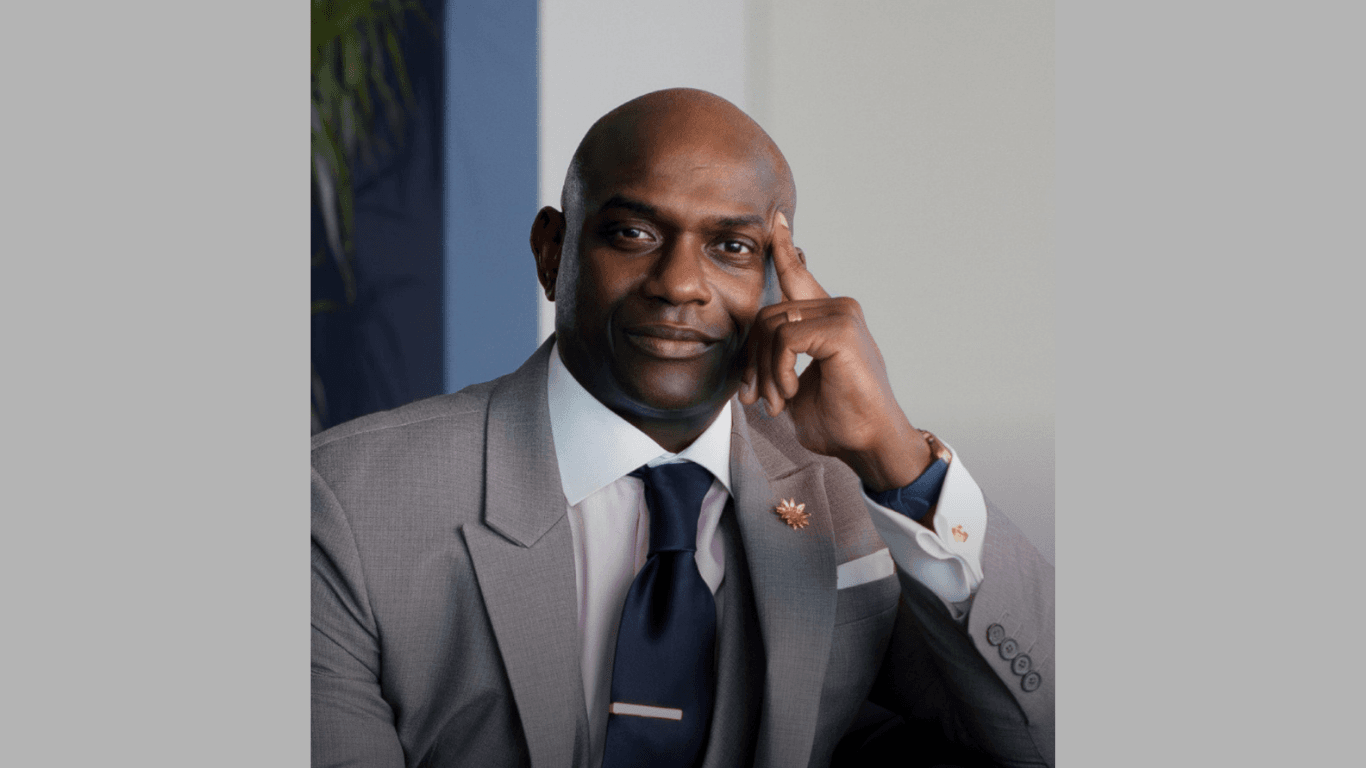
Mr. Garfield Kerr, CEO of Mokha 1450, a leading specialty coffee chain in Dubai and the UAE, confirmed that coffee is the world’s premier and most definitive functional beverage.
Speaking to Hospitality News ME magazine in issue no. 157, published for the period from May to July 2026, Mr. Garfield said that modern scientific research has settled the decades-long debate surrounding coffee and dispelled old myths. Furthermore, he affirmed its role as the first, most versatile, and most effective functional beverage in history.
He explained that coffee’s roots as a functional beverage date back to 15th-century Yemen, where Sufi communities consumed coffee to maintain focus and alertness during long hours of prayer.
He added that claims circulating in the mid-20th century regarding coffee’s negative health impacts, such as stunted growth or irritability, were based on inaccurate studies flawed by small sample sizes and methodological errors.
However, he noted that comprehensive meta-analyses emerging in the 1990s and 2000s shifted this perception and uncovered coffee’s immense health benefits.
Mr. Garfield clarified that what places coffee at the forefront of functional beverages is its richness in plant-based and bioactive compounds.
He confirmed that caffeine belongs to the methylxanthine class. This class contributes to stimulating the central nervous system and increasing alertness by blocking adenosine receptors. Additionally, it inhibits phosphodiesterase enzymes.
He added that coffee contains antioxidant compounds such as chlorogenic acids and polyphenols. These compounds work to reduce oxidative stress, protect the liver and kidneys, and inhibit the growth of harmful bacteria in the digestive tract.
Mr. Garfield stated that black coffee provides immediate advantages for athletes and fitness enthusiasts, as it contributes to enhancing cardiovascular performance, accelerating muscle glycogen resynthesis, and stimulating fat oxidation at rest and during exercise.
Additionally, he added that it lowers perceived exertion and elevates pain thresholds during physical activity. Moreover, it elevates mood and suppresses appetite.
He reviewed the scientific evidence confirming coffee’s long-term health benefits, confirming that it significantly reduces the risks of heart attack, stroke, and heart failure. In addition, it lowers the risk of type 2 diabetes, liver cirrhosis, and pancreatic and liver cancers.
He added that coffee provides neuroprotection against diseases such as Parkinson’s, Alzheimer’s, and dementia. Besides, it lowers rates of depression and the overall risk of mortality.
He noted that these functional properties of coffee gain added significance alongside the growth of the global functional beverage market. Currently, this market is valued at approximately $130 billion and projected to reach $200 billion by 2030.
Mr. Garfield emphasized that black coffee remains the safest and most effective option compared to synthetic alternatives, such as energy drinks packed with sugar and unstudied additives.
He explained that the safe consumption rate of coffee, ranging between three to five cups per day, falls within normal limits for most consumers. Thus, its abuse is rare.
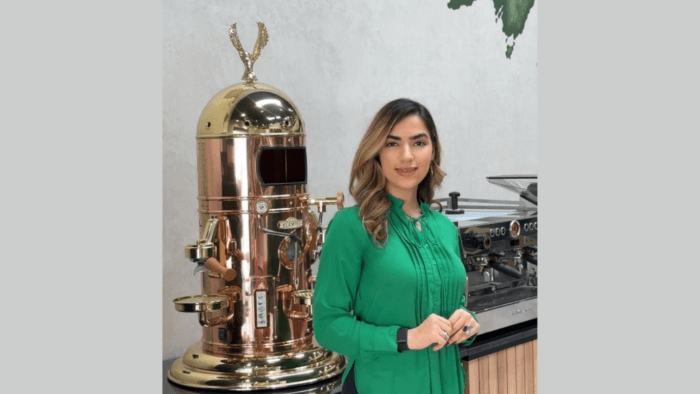
Mr. Garfield concluded his discussion by highlighting the future horizons of coffee science, pointing to ongoing research regarding coffee’s impact on the gut microbiome in collaboration with food chemistry researcher Aysenur Santaroğlu.
He confirmed that coffee is a complex chemical system rich in compounds such as melanoidins, diterpenes, and polyphenols, noting that the interaction of these compounds with gut bacteria could open new doors in preventative medicine and longevity enhancement, ensuring this beverage remains the most ubiquitous and effective functional drink throughout history.