Retail coffee prices have nearly doubled over the past five years
Dubai – Qahwa World
For many Canadians, the daily cup of coffee has become more than a simple pick-me-up—it’s an increasingly costly habit.
A recent report from Statistics Canada shows that in August, the average price for store-bought coffee was about 28% higher than the same time last year. Looking at a longer timeline, the cost of a 340-gram bag has risen from $5.36 in 2020 to $9.30 in 2025, almost doubling in just five years.
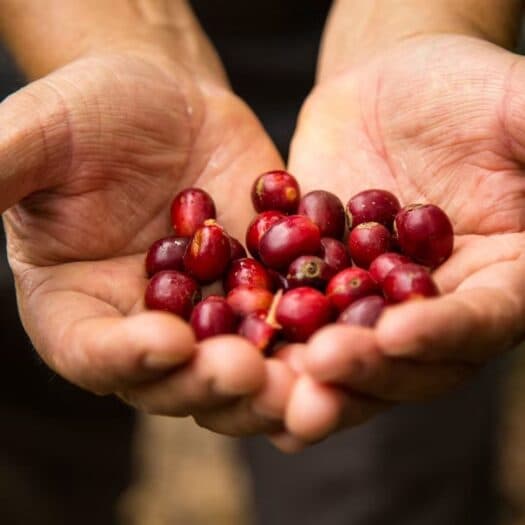
Experts say there is little chance prices will drop soon. Sylvain Charlebois, a food policy researcher at Dalhousie University in Halifax, points to production challenges in major coffee-growing countries such as Brazil and Vietnam. Extreme weather has affected yields, particularly for Arabica beans, which require very specific growing conditions.
“Arabica beans need a stable climate in the mountains to thrive,” Charlebois explained. “Droughts or excessive rainfall disrupt that balance, and this year conditions haven’t been ideal. These factors influence prices around the world.”
Other coffee-producing nations, including Costa Rica, Colombia, and Kenya, also contribute to the global supply. However, large-scale buyers often prioritize volume and cost, which isn’t always guaranteed.
Globally, Arabica and Robusta are the two primary types of coffee beans. Arabica, known for its bitter flavor, has grown in popularity thanks to coffee chains, while Robusta is more widely used in mass-market blends. Coffee futures recently rose above US$4 per pound, signaling that consumer prices are likely to continue rising.
Demand is increasing in Asia, where a growing middle class is turning to coffee as a symbol of lifestyle and status, adding further upward pressure on prices. Charlebois predicts that retailers may respond by offering more budget-friendly private-label brands, which are cheaper but generally of lower quality.
The rising cost of coffee is part of a broader trend affecting Canadian households. According to Dalhousie University’s Food Price Report, about 25% of families face food insecurity, and a typical family of four could spend nearly $1,000 more on groceries in the coming year. “Coffee prices aren’t likely to fall for the next six to eight months,” Charlebois said.