Moscow – Qahwa World
Russia’s coffee landscape is undergoing a noticeable shift. While coffee consumption in the country remains relatively stable, the number of traditional coffee shops has been shrinking as consumer habits evolve and competition intensifies.
Data from 2GIS shows that the number of classic cafés across Russia declined by 13% over the past year, reaching approximately 7,700 locations by February 2026.
The decline has been especially visible in the country’s largest urban centers. In Moscow, the number of cafés fell by 12% to about 2,600, while Saint Petersburg experienced an even sharper drop of 23%, leaving roughly 1,600 establishments.
You may read: Russia Updates Instant Coffee Standards for the First Time in 32 Years
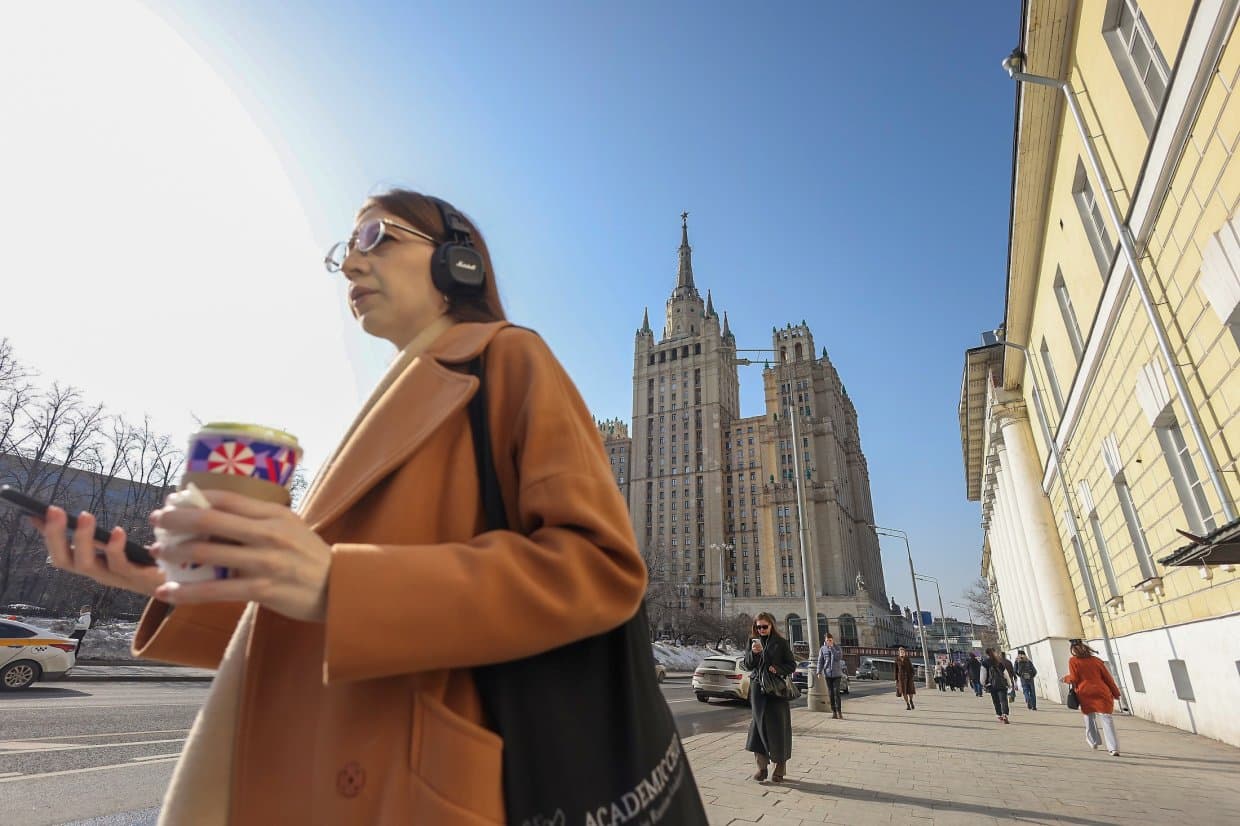
At the same time, other coffee formats are expanding. The number of takeaway coffee points increased by about 4%, reaching around 9,300 locations, indicating that faster and more convenient service models are gaining ground among consumers.
- Changing daily routines
Coffee culture in Russia has grown rapidly over the past decade, reflecting a broader global expansion of café culture. However, recent consumer behavior suggests that some daily habits are shifting.
- According to Ramaz Chanturia, director general of Roschaikofe, many consumers have begun practicing what he describes as “reasonable savings.” Some customers who once bought coffee on the way to work now prepare their drinks at home more frequently.
- More than just the price of beans
The price of a cup of coffee in a café reflects more than the cost of raw coffee. Customers are also paying for a range of services and operational expenses, including rent, equipment, utilities, staff salaries, and the atmosphere that cafés provide.
Read also: Russia’s Imports of Brazilian Coffee Fall to Six-Month Low
These costs can place pressure on independent coffee shops, particularly when competition from lower-priced alternatives increases.
- Retail becomes a coffee competitor
Another factor reshaping the market is the growing role of retail chains in coffee sales. Large supermarket operators are expanding ready-to-drink coffee offerings and installing coffee stations or café-style corners inside their stores.
According to Stanislav Bogdanov, chairman of the presidium of the Association of Retail Companies, demand for ready-made coffee in retail continues to grow steadily.
Industry estimates suggest that hot beverages account for up to 3% of the fast-moving consumer goods market, with coffee becoming one of the category’s key growth drivers in recent years.
Read also: Russian Instant Coffee Exports Rise 28% to $366 Million
Retailers benefit from high customer traffic, competitive prices, and convenient locations. For many consumers, buying a cup of coffee during a grocery trip is becoming an easy alternative to visiting a traditional café.
A changing coffee ecosystem
The decline in traditional cafés does not necessarily indicate a fall in coffee drinking in Russia. Instead, it highlights a transformation in how and where people consume coffee.
As takeaway formats, home brewing, and retail coffee points continue to expand, the country’s coffee market is gradually shifting toward convenience-driven models—reshaping the role of the traditional café within Russia’s evolving coffee culture.