Coffee Not a Heart Risk: AHA Sets Safe Caffeine Limit
- AHA recommends up to 400mg of caffeine daily for most adults.
- That equals about 5 cups of brewed coffee (8 oz per cup).
- Plain black coffee linked to lower risk of type 2 diabetes.
- Filtered coffee better for cholesterol; unfiltered may raise LDL.
- Energy drinks are not like coffee and may cause BP spikes and arrhythmias.
- Pregnant women and those with palpitations or uncontrolled BP should consult doctors.
Cardiologists have long treated coffee with caution. The reason was caffeine’s temporary effect on heart rate and blood pressure. However, this position is beginning to change.
According to a new scientific statement from the American Heart Association, moderate caffeine consumption appears safe for most adults. This applies especially to coffee. It may even be linked to cardiovascular benefits for some people.
Dr. Kelley Chen interventional cardiologist at Henry Ford Health’s Genesis Heart Center, noted that caffeine has long had a bad reputation when it comes to heart health.
What Is the Safe Amount for Most Adults?
The statement sets 400mg of caffeine daily as a typical upper limit for most healthy adults. This equals about five 8-ounce cups of regular brewed coffee. However, caffeine content varies depending on coffee type, preparation method, and cup size.
Regular brewed coffee contains about 9.4 to 20.6mg of caffeine per fluid ounce. This means the amount can vary significantly. The evidence reviewed suggests the clearest results are linked to coffee itself. But adding large amounts of sugar and flavored syrups may reduce any potential health benefits.
| Source | Approximate Caffeine | Note |
|---|---|---|
| Daily upper limit | 400 mg | For most healthy adults |
| Brewed coffee (8 oz) | 75 – 165 mg | Varies by type and preparation |
| Instant coffee (8 oz) | 30 – 90 mg | Lower caffeine than brewed |
| Espresso (single shot) | 45 – 75 mg | Higher concentration per ounce |
| Energy drinks (can) | Varies widely | May contain very high doses |
Blood Pressure: Different Effects by Consumption Level
Coffee can raise blood pressure in the short term. However, long-term consumption results appear more complex. The statement cites research finding that one to three cups of caffeinated coffee daily was linked to increased hypertension risk among people with ideal blood pressure. In contrast, drinking more than three cups daily was linked to lower hypertension risk in some studies.
Type 2 Diabetes: Black Coffee Showed Strongest Link
For type 2 diabetes, the statement reviews evidence linking black caffeinated coffee consumption to lower diabetes risk. This applies when consumed without cream, sweeteners, or flavorings. However, caffeine may reduce insulin sensitivity in the short term. Therefore, researchers caution that the protective association may come from other compounds in coffee, not caffeine alone.
Cholesterol: Filtered Coffee Appears Better
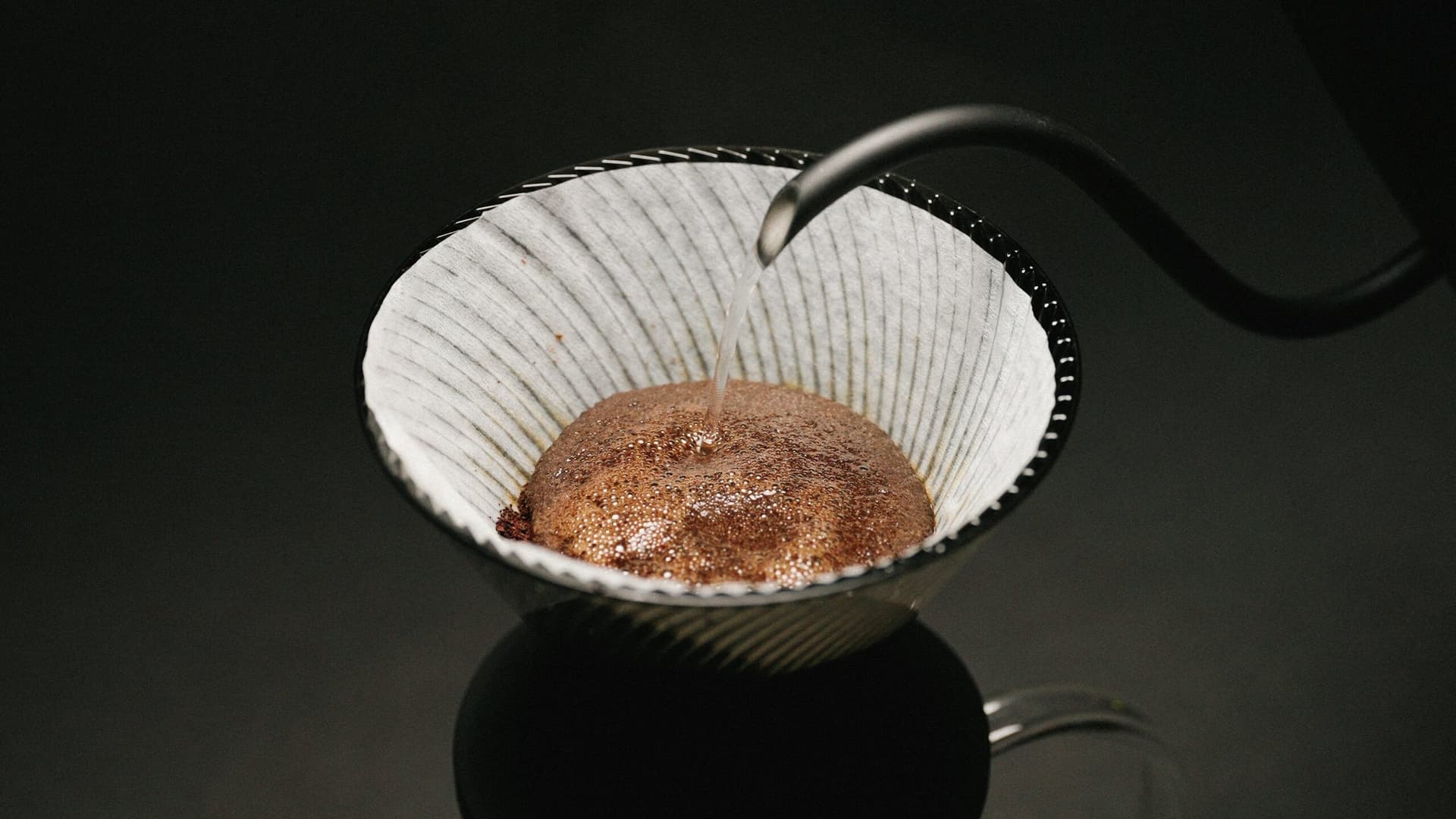
Brewing method matters for cholesterol too. Randomized trial data indicates that cafestol, a compound in coffee, can raise LDL cholesterol levels. Cafestol is found in unfiltered coffee like espresso, French press, Turkish coffee, and boiled coffee. Most of this compound is removed when using paper filters. It is also absent from instant coffee, according to the statement.
Heart Rhythm: No Increase in Atrial Fibrillation, But a Note
The AHA statement indicates that research analyses found one to three cups of caffeinated coffee daily were not linked to increased risk of atrial fibrillation or heart rhythm disorders. However, randomized trials also found a link between coffee caffeine and increased premature ventricular contractions. These are extra heartbeats generally not dangerous. However, they may cause palpitations or anxiety in some people.
The Most Important Warning: Energy Drinks Are Not Like Coffee
A large portion of research focuses on coffee as the world’s most consumed caffeinated beverage. However, caffeinated energy drinks have not received the same level of study. Therefore, caffeine recommendations for coffee should not necessarily apply to all caffeine sources.
The AHA also warns that some concentrated energy shots may contain much higher caffeine per ounce than regular coffee. Their consumption has been linked to increased risk of high blood pressure and heart rhythm disorders.
Conclusion: What This Means for Coffee Lovers
For most adults, the AHA indicates that up to 400mg of caffeine daily is generally safe. Coffee consumption may be linked to lower risk of heart disease, stroke, and heart failure in some people. The potential benefits are more strongly associated with unsweetened coffee. Sugar and high-calorie additives can change the nutritional profile.
People with heart palpitations, sleep disorders, pregnant women, and those with uncontrolled high blood pressure should discuss appropriate caffeine amounts with their doctor.
Frequently Asked Questions
What is the safe daily caffeine limit?AHA recommends 400mg of caffeine daily as an upper limit for most healthy adults, equal to about 5 cups of brewed coffee.
Is coffee good for blood pressure?Coffee may temporarily raise blood pressure, but studies suggest drinking over 3 cups daily may be linked to lower long-term hypertension risk.
What’s the difference between filtered and unfiltered coffee for cholesterol?Unfiltered coffee contains cafestol, which may raise LDL cholesterol. Paper filters remove most of it, and instant coffee contains none.
Are energy drinks as safe as coffee?No. Energy drinks contain much higher caffeine per ounce and have been linked to high blood pressure and heart rhythm disorders. They are not a substitute for coffee.
Does coffee cause heart palpitations?Coffee may cause premature ventricular contractions in some people. These extra beats are generally not dangerous but may cause palpitations or anxiety.
Who should consult a doctor about coffee?Pregnant women, people with palpitations, sleep disorders, or uncontrolled high blood pressure should discuss appropriate caffeine intake with their doctor.