Dubai – Ali Al Zakry | Qahwa World
On May 4, the European Commission published its “simplification” package for the Deforestation Regulation. Some saw it as genuine relief. Others called it cosmetic. Dr Steffen Schwarz described the EUDR as an administrative monster.
Qahwa World opened this file from the beginning. We spoke to six experts from four continents. We published a preliminary investigation summarizing their views. Now we publish the full episodes, one expert per episode, with complete, unedited answers.
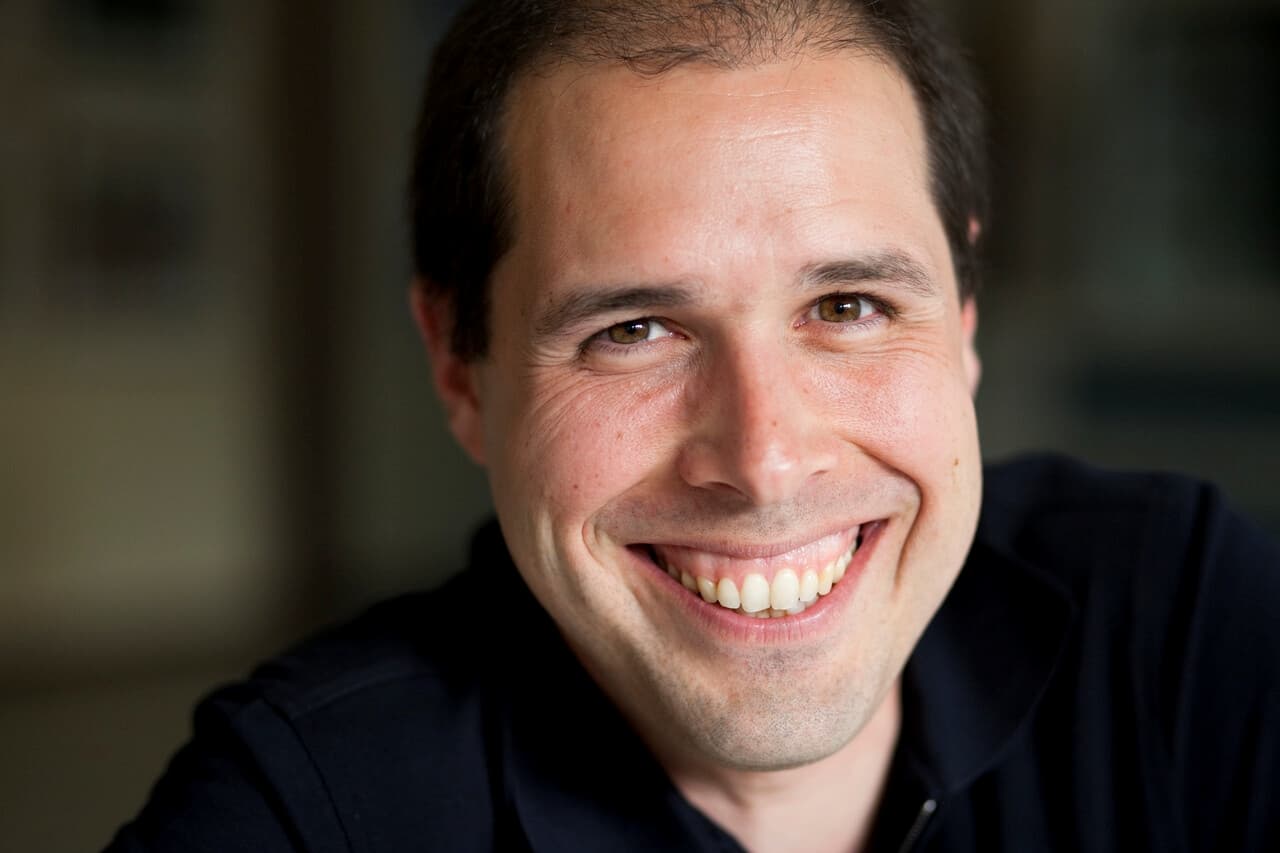
Our first guest is Dr. Steffen Schwarz, an applied coffee science expert from Germany and co-founder of Applied Coffee Science. He describes the simplified regulation as “still an administrative monster for many small actors.”
Here is the full interview.
- What is your overall take on the EU simplification decision? Does it truly reduce the burden, or is it mostly cosmetic?
Dr. Steffen Schwarz: My overall view is that the simplification helps at the margins, but it does not solve the core problem. The EUDR remains an administrative monster for many small actors in the coffee chain.
The intention is absolutely right. Nobody in coffee can seriously argue against forest protection. The question is whether the instrument is proportionate and intelligent enough. At the moment, I fear that it mainly simplifies the system for those who already have the structures to deal with it: large importers, large exporters, certification bodies, and companies with compliance departments.
For small roasters, small importers, and direct trade relationships, the fundamental burden remains. Coffee is not only a bulk commodity. Many of the most valuable coffees in Europe come from small farms, old varieties, rare cultivars, agroforestry systems, and micro-lots. These coffees may be fully deforestation-free, but proving that in the required administrative format can become disproportionately expensive.
So yes, simplification is welcome. But if the system still makes it easier to import large, standardized volumes than small, diverse, direct-trade lots, then we have not fixed the real problem.
- Who benefits the most from this simplification?
The biggest beneficiaries will probably be large companies and low-risk exporting countries with organized documentation systems. They can spread compliance costs over large volumes and integrate the EUDR into existing legal, digital, and certification structures.
Small producers may benefit on paper, especially where simplified declarations or reduced obligations apply. But many smallholders outside the EU will still feel the pressure indirectly. The legal obligation may sit with the European operator, but the demand for geolocation data, legality evidence, and traceability will travel upstream to the farm level.
That is where the danger lies. A small farmer who grows coffee under shade, preserves old varieties, and has never cleared forest may still be excluded if the paperwork is too difficult or too expensive. The system may not intentionally discriminate against smallholders, but its practical effect could do exactly that.
In my view, the real winners are those who can industrialize compliance. The potential losers are those whose strength lies in quality, diversity, and relationship-based trade rather than administrative capacity.
- Soluble coffee is now fully covered, after being excluded before. How do you see this affecting coffee traders and roasters worldwide?
Dr. Steffen Schwarz: From a regulatory logic, including soluble coffee makes sense. If the aim is to prevent deforestation-linked coffee from entering the European market, then it would be inconsistent to regulate green and roasted coffee but leave soluble coffee outside.
However, soluble coffee is often based on complex, high-volume, multi-origin supply chains. It may involve large blends, several processing stages, and coffee from many farms, regions, or countries. That makes traceability more complicated.
For large soluble coffee manufacturers, this will create additional compliance work, but they are generally better equipped to manage it. For traders supplying the soluble industry, the pressure will increase significantly. They will need cleaner documentation, stronger segregation, and better origin data.
The risk is that soluble coffee supply chains will become more consolidated. Suppliers who cannot provide the required documentation may simply be removed from the chain. Again, the coffee may not necessarily become better or more sustainable. It may simply become easier to document.
Is the global coffee supply chain ready for the December 30, 2026 deadline? If not, which part of the industry will take the biggest hit?
Dr. Steffen Schwarz: No, not fully. Some parts of the industry are ready, especially larger exporters, organized cooperatives, multinational traders, and companies already working with detailed traceability systems. But the global coffee sector as a whole is not ready.
The biggest hit will be taken by small producers, small exporters, small importers, and independent roasters working with direct-trade lots. These actors often have the most transparent human relationships, but not always the administrative infrastructure required by the EUDR.
Geolocation is a good example. In theory, it is a powerful tool. In practice, collecting, verifying, storing, and transmitting accurate plot-level data across thousands of small farms is a major challenge. Keeping the December 2026 deadline means that many supply chains will have to make fast decisions.
The easiest decision will often be to reduce complexity: fewer origins, fewer small suppliers, fewer micro-lots, fewer experimental coffees.
That is my main concern. Europe may end up protecting itself legally, while weakening some of the most meaningful forms of sustainable coffee trade.
The EUDR asks the right moral question: should Europe consume coffee linked to deforestation? Clearly, no. But the next question is just as important: can Europe protect forests without pushing small farmers, old varieties, direct trade, and coffee diversity out of the market?
At present, I am not convinced that we have achieved that balance.
Qahwa World – Episode Two tomorrow with Kim Thompson, Co-Founder of RAW Coffee Company in Dubai.
Read Related stories:
EUDR Simplification: Six Voices from the Coffee Industry Speak
European Commission Simplifies Deforestation Regulation.. What’s New?