San José, Costa Rica – Qahwa World
The Vargas family in Costa Rica has announced the offering of a portion of its long-standing agricultural legacy for sale—the “Finca La Hilda” coffee farm. This estate holds a history that precedes the entry of industry giants like Starbucks into the country, according to a report published by Forbes magazine.
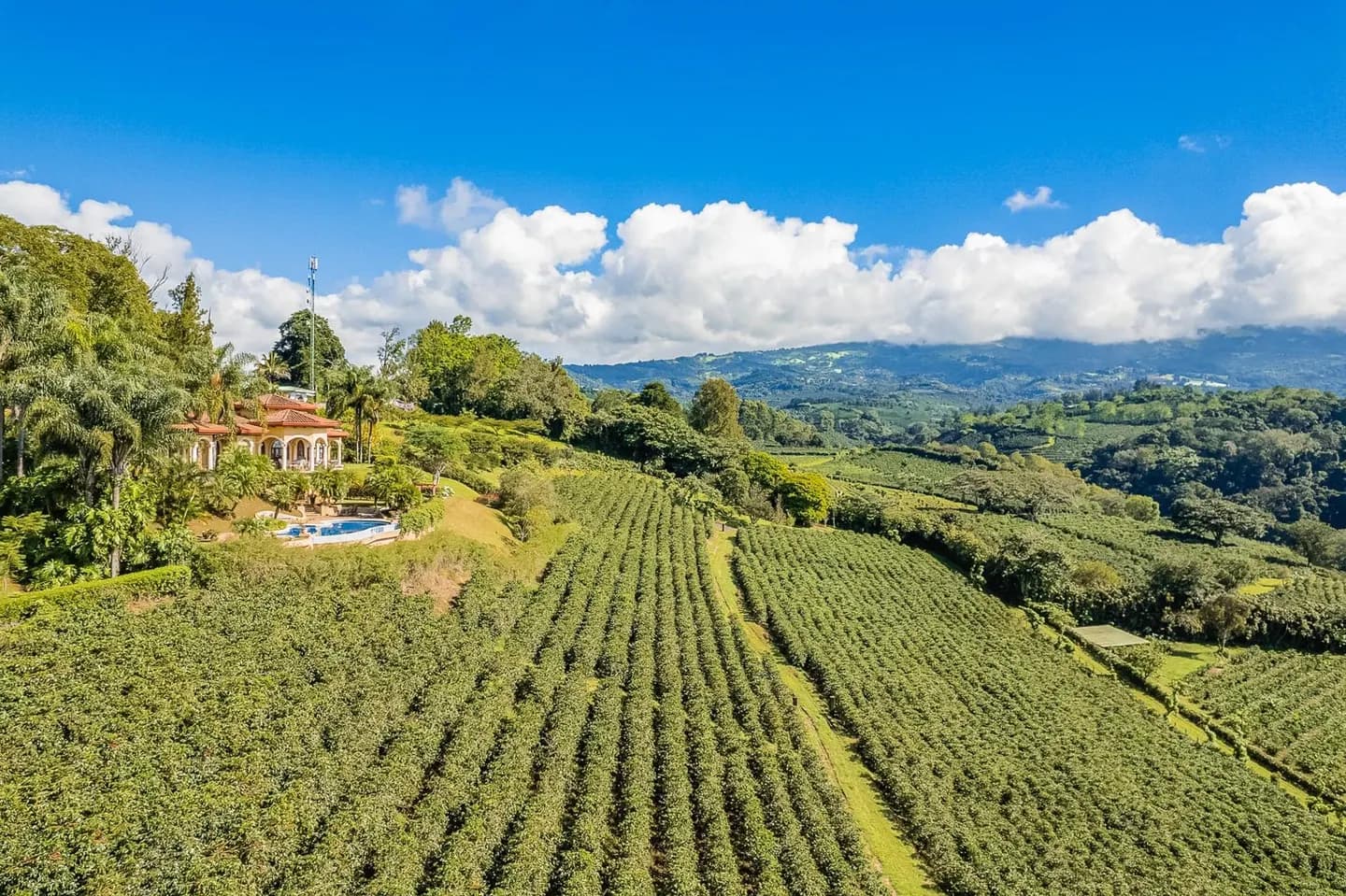
The magazine published a photo-illustrated report highlighting the details of this rare farm and property offered for sale in the Alajuela hills. The story of the farm dates back to 1929 when Don Clarindo Vargas began cultivating coffee, establishing a family empire known today as “Finca La Hilda.” The sale of this part of the estate comes after it cemented its reputation as a source for some of the world’s finest Arabica beans.
The historical significance of the farm lies in the fact that it was supplying coffee beans to Starbucks as early as 2001, years before the American company launched its first owned coffee farm in the region, “Hacienda Alsacia,” located just 5 kilometers away. Mariano Vargas, a fourth-generation representative of the family, considered Starbucks’ selection of the area to be an “affirmation of the work of generations” within his family.
The residential property for sale is situated at an elevation of 1,400 meters (approx. 4,600 feet) above sea level—an ideal altitude for producing complex coffee with bright acidity and notes of bergamot and chocolate.
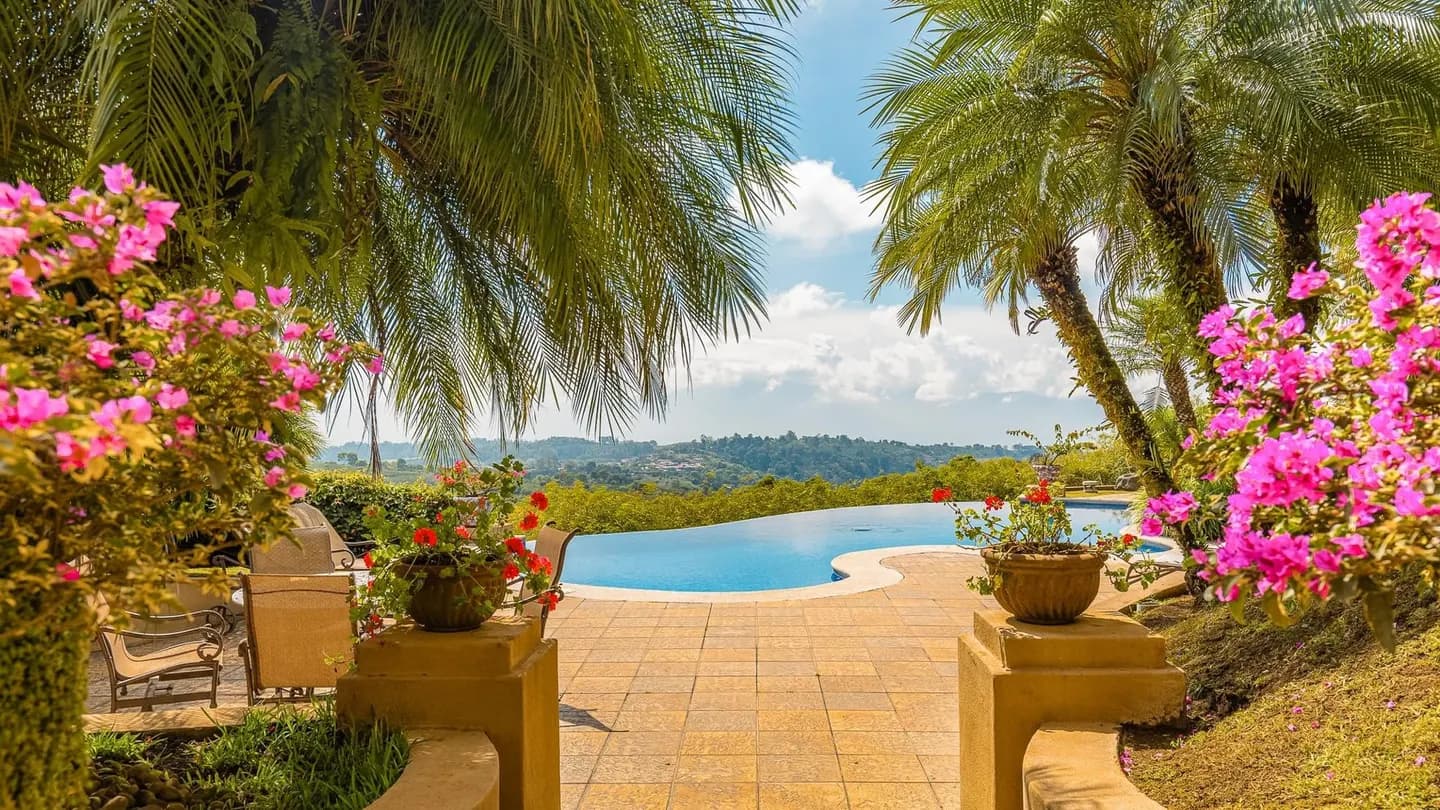
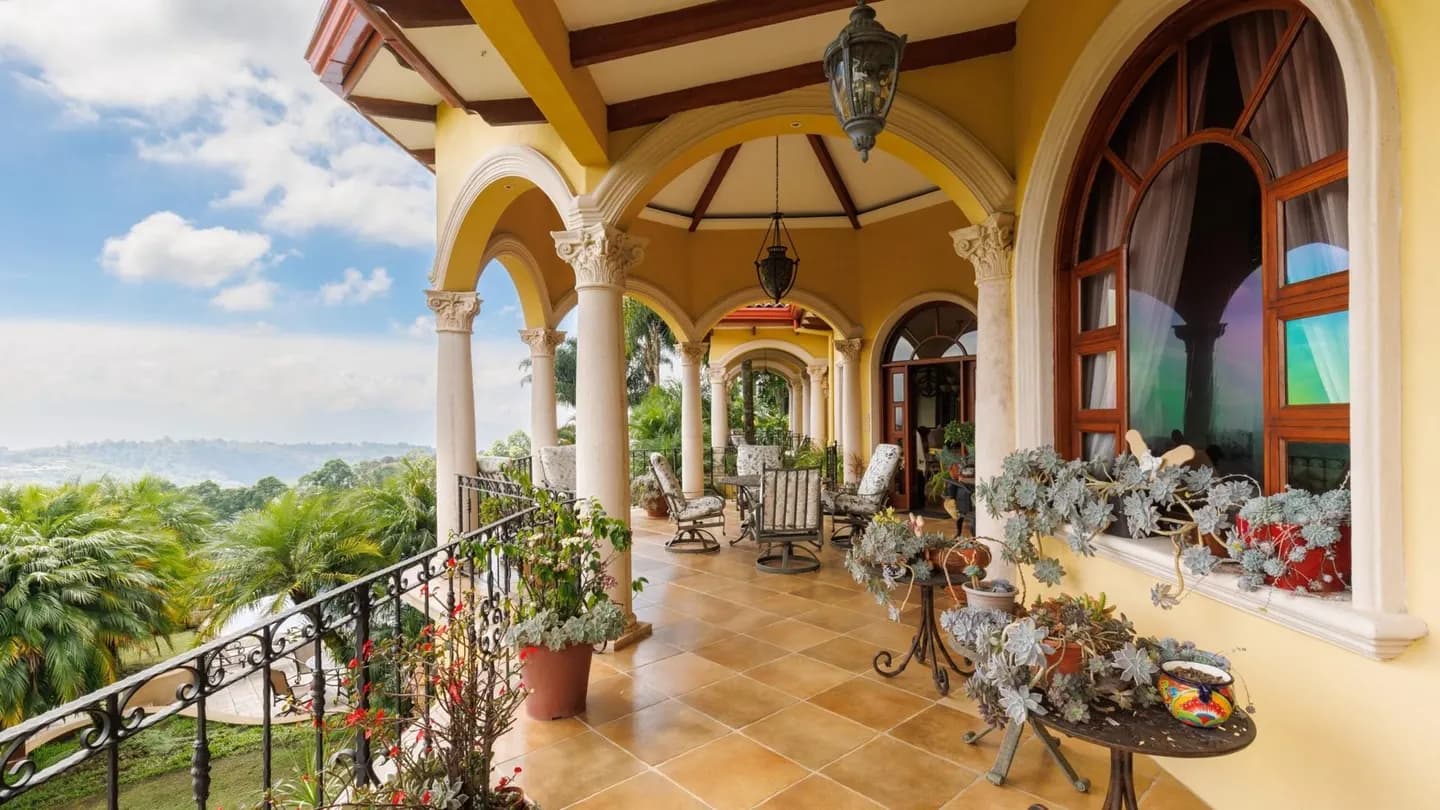
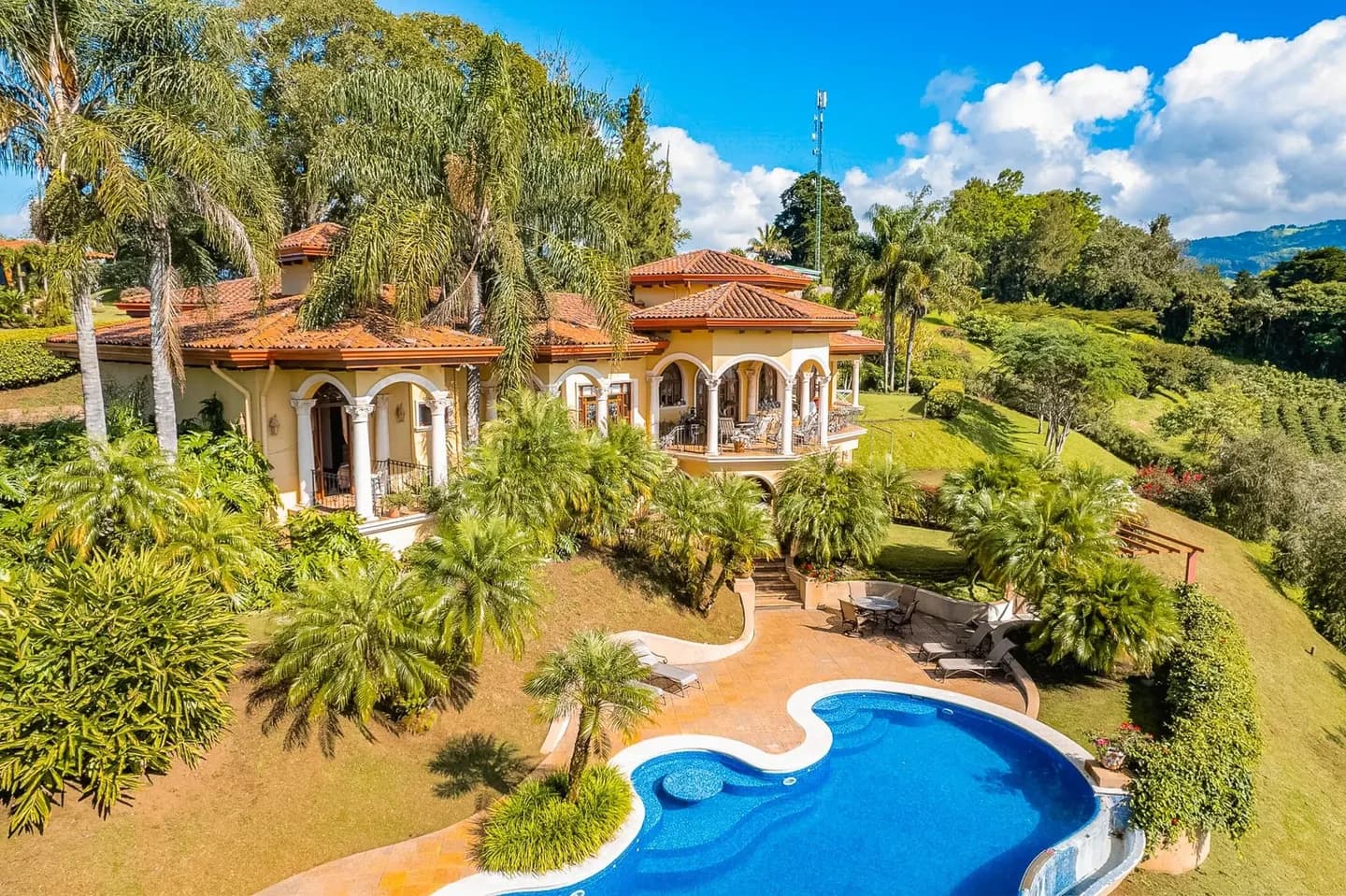
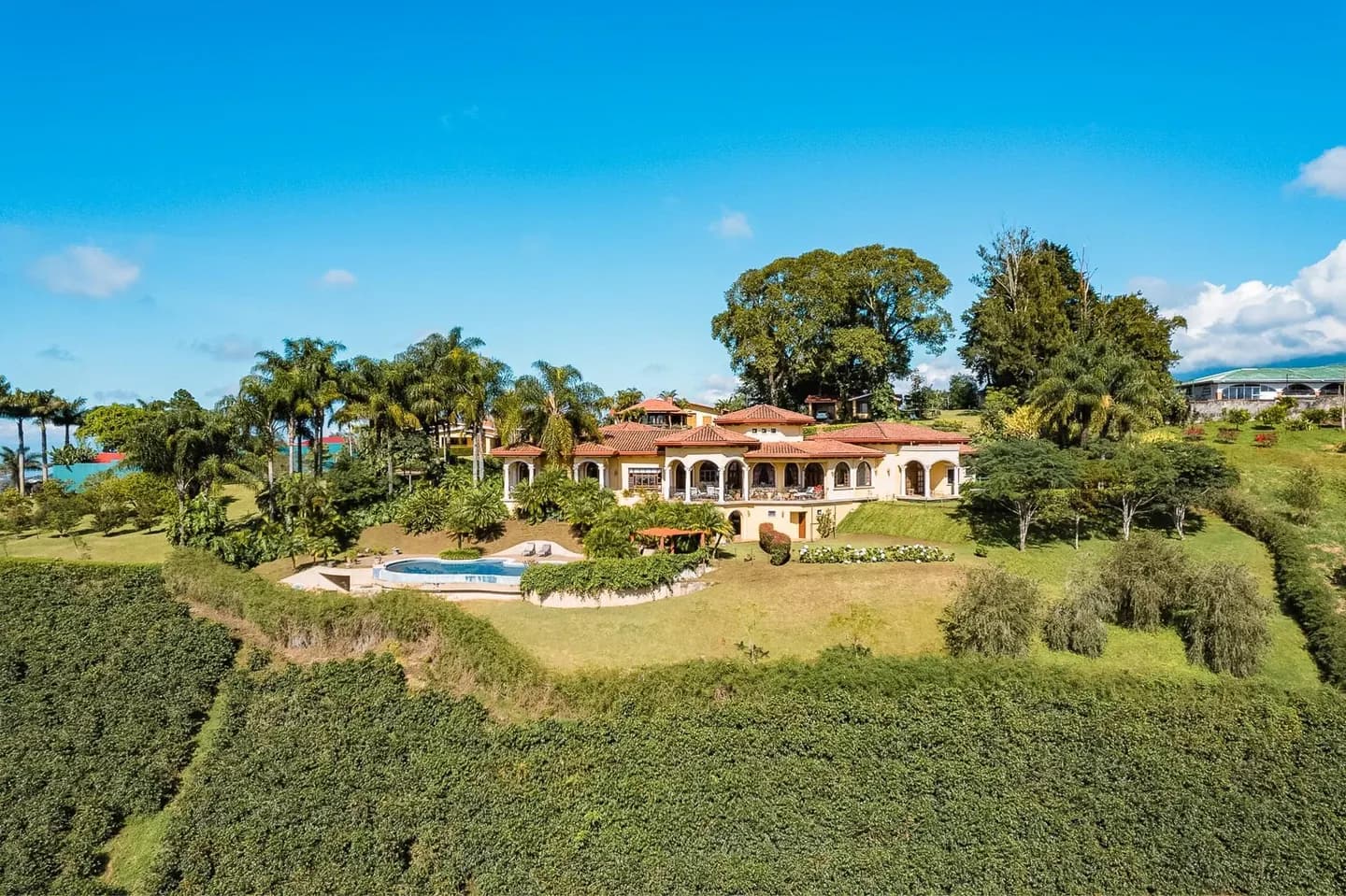
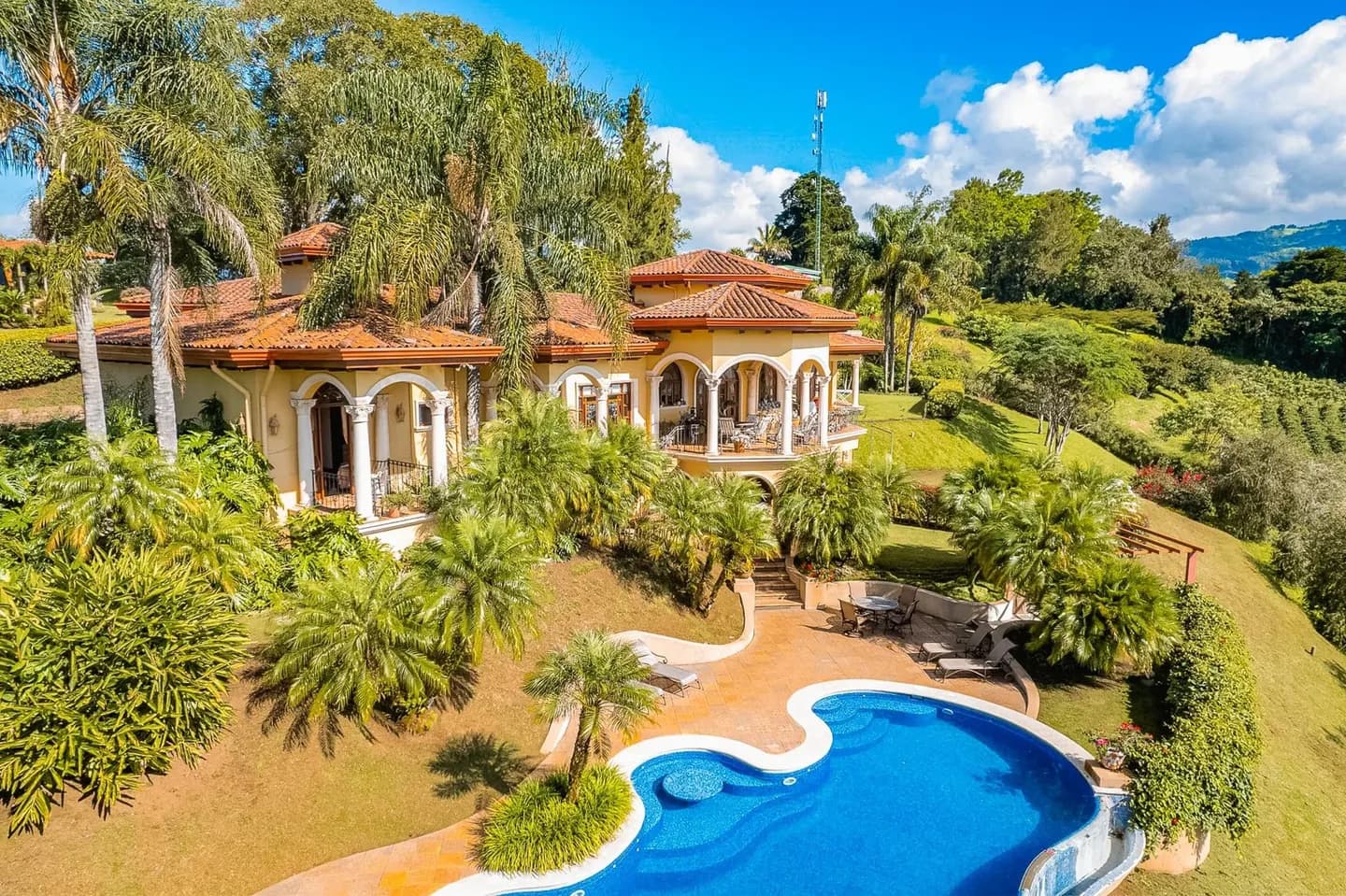
The estate, which has a total area of 5.3 hectares (about 13 acres), includes a luxurious Mediterranean-style main house with panoramic views of San José and surrounding volcanic areas. The property is being offered in two parcels:
1.5 hectares: priced at $2.48 million.
5.3 hectares (The full property): priced at $4.98 million.
Despite the sale, “Finca La Hilda” continues to operate at full capacity, exporting 90% of its production to international brands such as Nespresso and Peet’s Coffee. The farm, which holds the Rainforest Alliance Certification, is committed to transitioning toward sustainable agriculture using fewer chemicals.
Gallery