Author: Qahwa World |
Date: June 19, 2026
International Coffee Partners Support Integrated Livelihoods and Strengthen Women in the Coffee Sector in 2025
Key Takeaways:
- International Coffee Partners (ICP) reached 12,819 smallholder coffee farming households across 5 countries in 2025, with a new project launched in Ethiopia.
- Household income increased in Brazil from USD 16,033 to USD 18,170, and in Honduras from USD 7,938 to USD 10,372.
- Indonesia saw income jump from USD 2,925 to USD 4,781, while Tanzania increased from USD 1,227 to USD 1,441 and Uganda from USD 1,793 to USD 1,949.
- The Women’s Empowerment Index improved significantly: from 52% to 63% in Brazil, 61% to 68% in Honduras, and 65% to 84% in Tanzania.
- 45% of women and 21% of youth participated in project activities and trainings in 2025, with 487 farmer organizations engaged.
- Since its founding in 2001, ICP has implemented 28 projects in 13 countries, reaching 125,700 households with investments of EUR 25 million.
International Coffee Partners (ICP) released its 2025 Annual Report, revealing continued efforts to support smallholder coffee farmers across five countries: Brazil, Honduras, Indonesia, Tanzania, and Uganda, with a new project launched in Ethiopia. Despite rising global coffee prices delivering short-term income gains, climate variability and continued dependence on favorable market conditions highlighted the sector’s cyclical nature and farmers’ exposure to global market fluctuations.
Smallholder coffee farmers continue to face significant challenges related to volatile markets, climate variability, and limited access to services and finance. These challenges are most pronounced in rural areas where livelihoods depend on climate-sensitive agricultural systems and often lack sufficient diversification, making households vulnerable to both climate and market-related shocks.
2025 Figures and Achievements: 12,819 Households Reached and New Project in Ethiopia
In 2025, ICP projects supported 12,819 smallholder coffee farming households across the five countries, with core activities including capacity building, climate-smart agriculture, livelihood diversification, strengthening farmer organizations, and inclusion of women and youth. The “CAFE Legacy” project was launched in Ethiopia, working with 10 cooperatives and one cooperative union, reaching over 2,000 members and indirectly benefiting approximately 12,000 coffee farming households.
| Country | Households | Income 2024 (USD) | Income 2025 (USD) | WEI 2024 | WEI 2025 |
|---|---|---|---|---|---|
| Brazil | 1,157 | 16,033 | 18,170 | 52% | 63% |
| Honduras | 2,303 | 7,938 | 10,372 | 61% | 68% |
| Indonesia | 3,607 | 2,925 | 4,781 | 70% | 72% |
| Tanzania | 3,620 | 1,227 | 1,441 | 65% | 84% |
| Uganda | 2,132 | 1,793 | 1,949 | 64% | 66% |
Source: ICP 2025 Annual Report. WEI = Women’s Empowerment Index.
Key Results by Country: Income Growth and Women’s Empowerment at the Forefront
Brazil: Average annual household income rose from USD 16,033 to USD 18,170, with the share of farmers practicing record keeping increasing from 54% to 72%. The Women’s Empowerment Index increased from 52% to 63%, reflecting stronger joint decision-making and agency at household level.
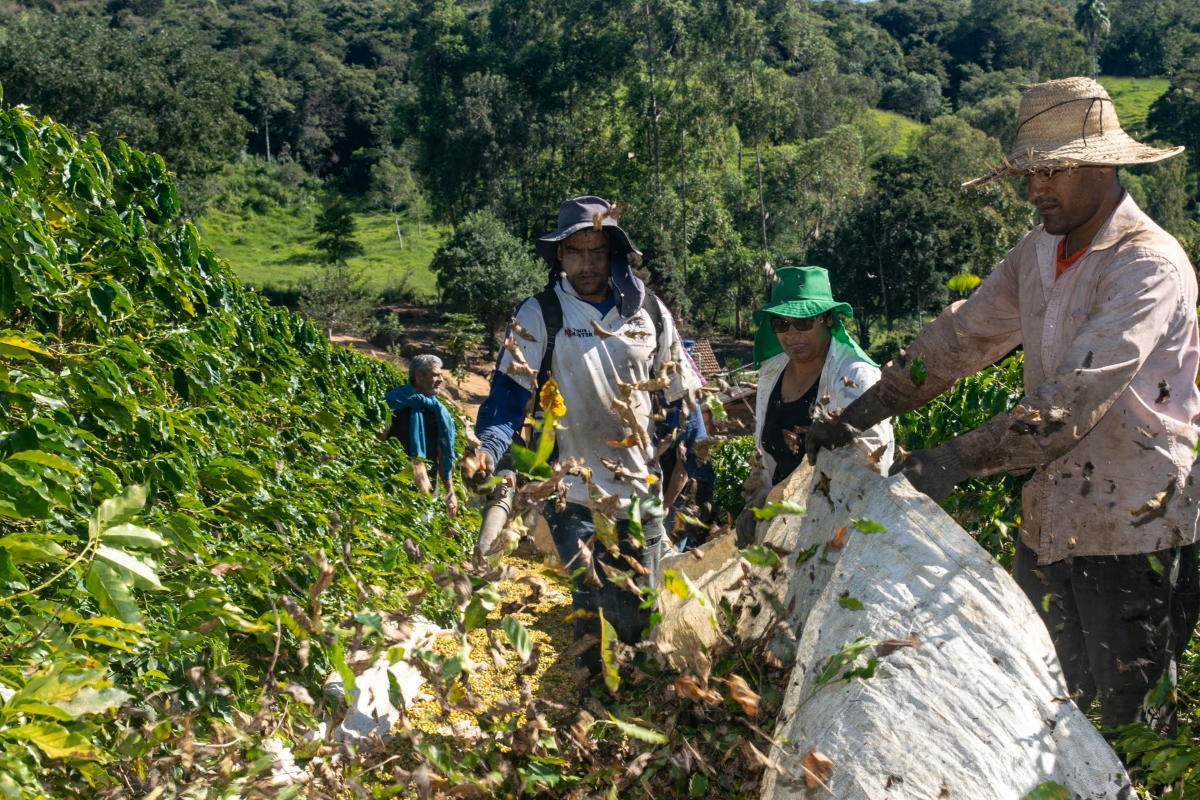
Honduras: Average annual household income increased from USD 7,938 to USD 10,372, with the Women’s Empowerment Index rising from 61% to 68%, alongside improved adoption of Good Agricultural Practices and Climate-Smart Agriculture.
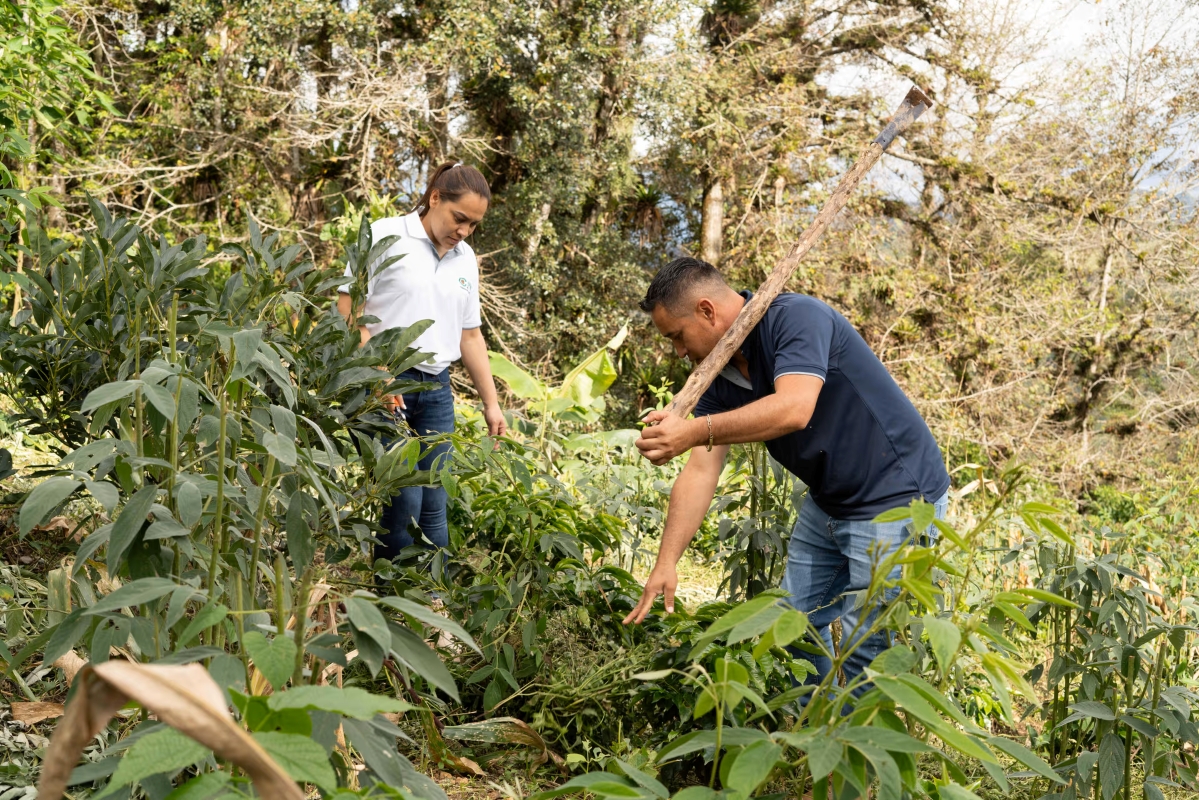
Indonesia: The highest relative income increase was recorded, from USD 2,925 to USD 4,781, with a focus on women’s economic empowerment through women’s groups and improved farming practices.
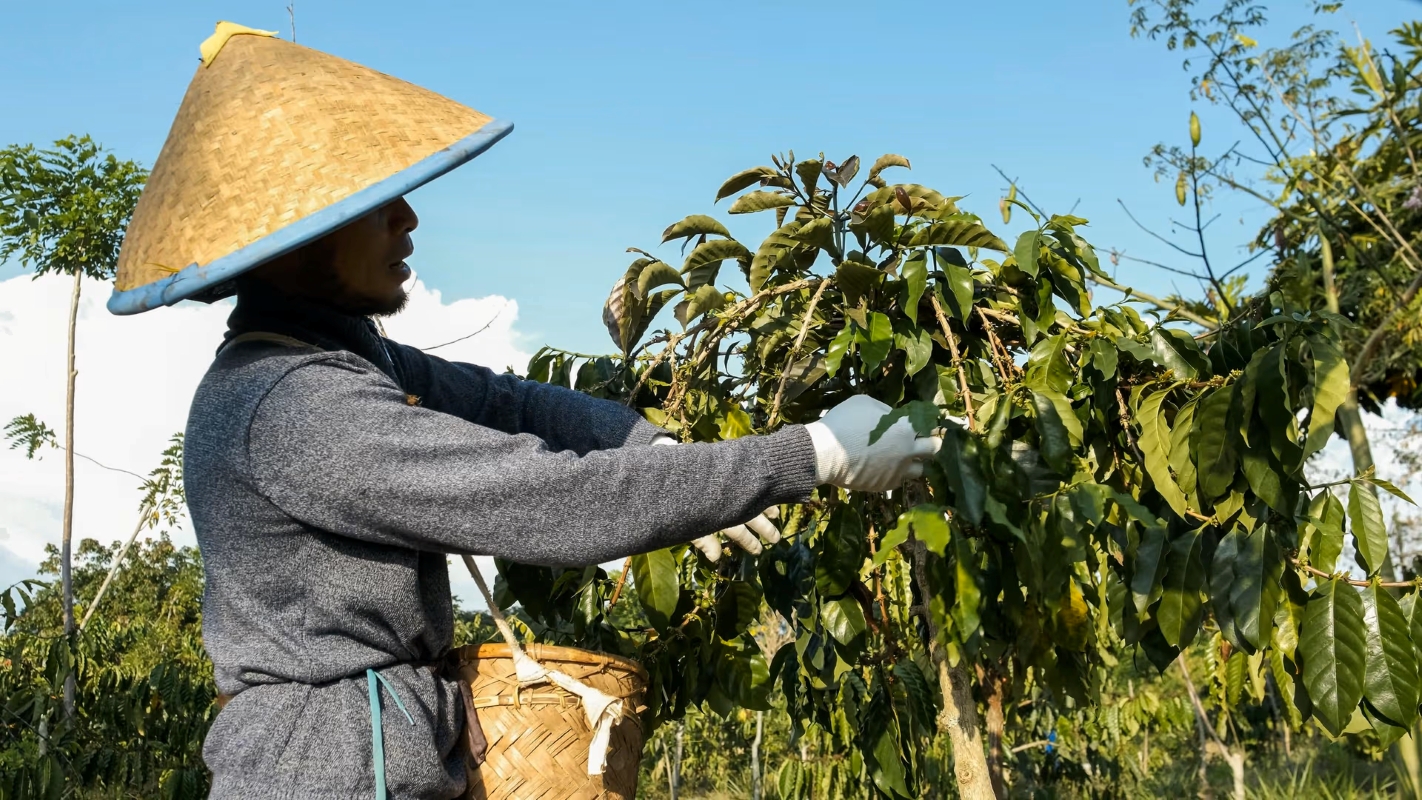
Tanzania: Average annual household income increased from USD 1,227 to USD 1,441, with a notable increase in the Women’s Empowerment Index from 65% to 84%, reflecting significant progress in women’s participation in decision-making and cooperative leadership.
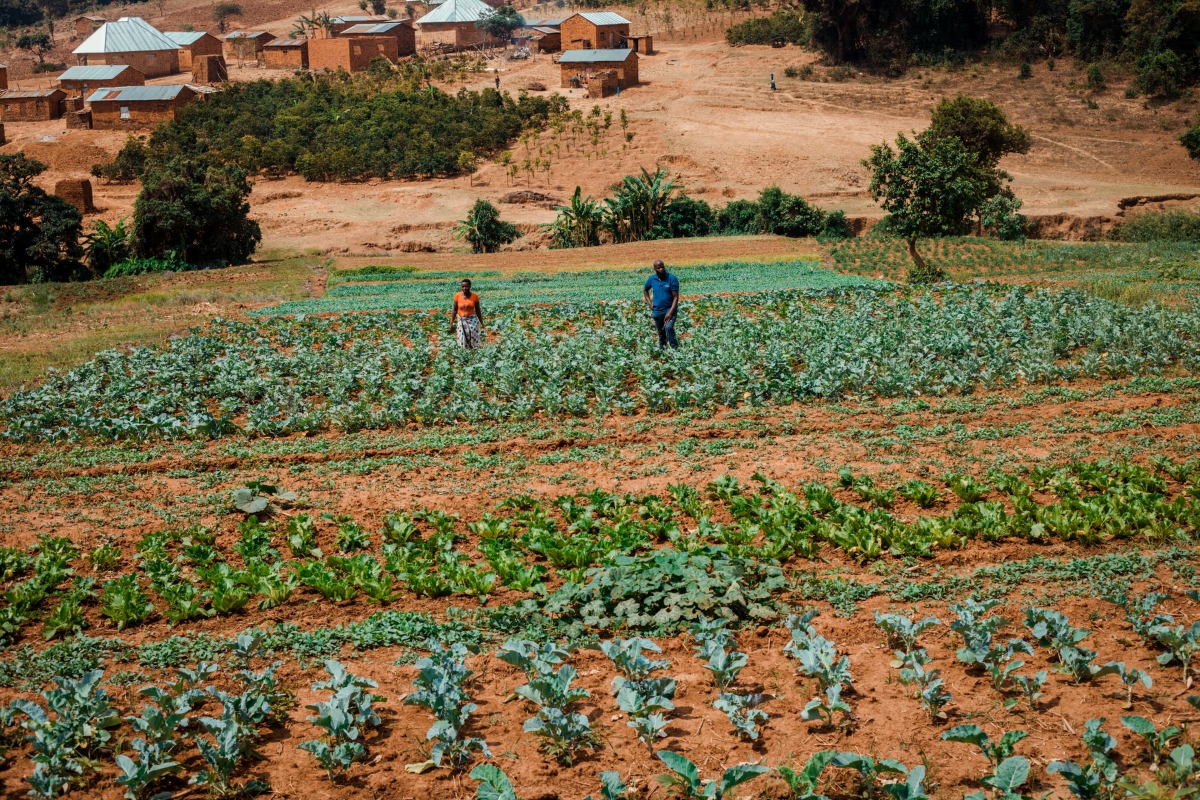
Uganda: Average annual household income increased from USD 1,793 to USD 1,949, with an integrated approach combining participatory climate planning, Farmer Field School training, and cooperative strengthening.
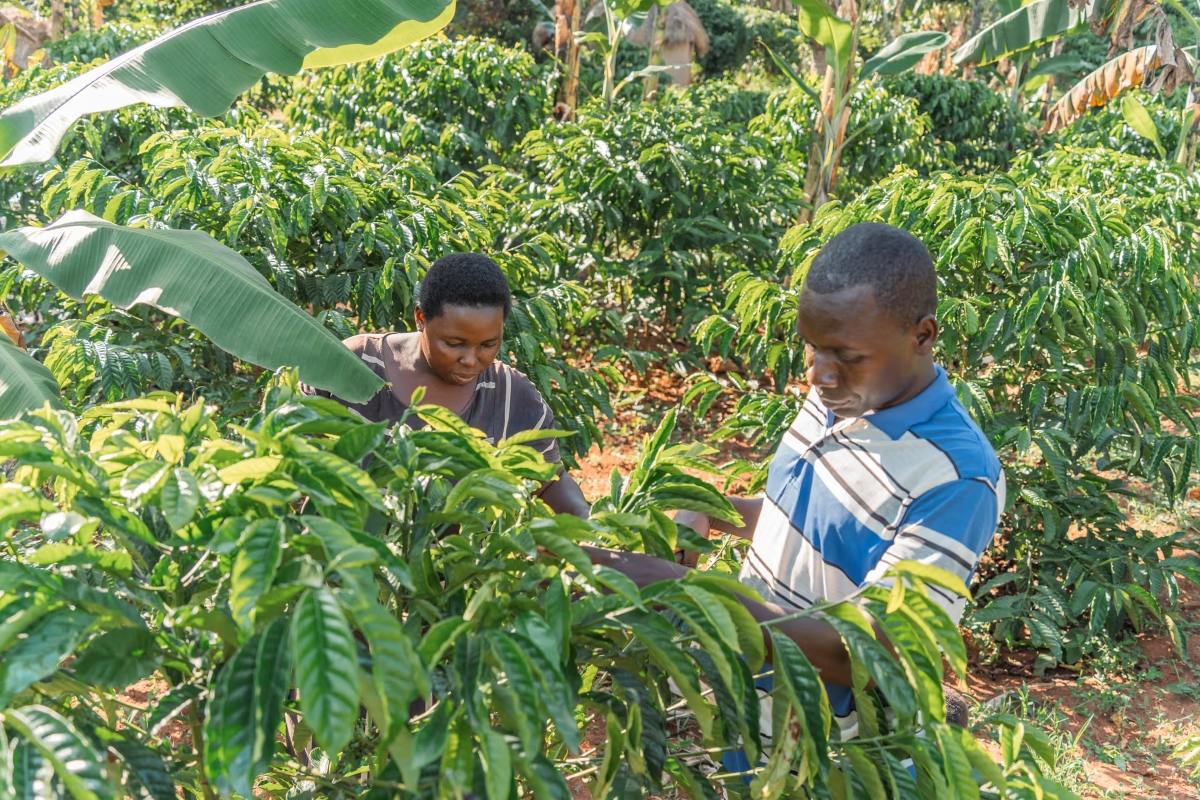
Ethiopia: In 2025, the “CAFE Legacy” (Coffee Alliances for Ethiopia) project was launched, building on the achievements of previous CAFE projects in which ICP worked closely with smallholder farmers and farmer organizations to enhance skills, productivity, and climate resilience. The project will collaborate with 10 coffee cooperatives and one cooperative union, reaching more than 2,000 cooperative members, including women and youth, and will indirectly benefit approximately 12,000 coffee farming households. Key focus areas include: strengthening cooperative governance and management capacity, improving business performance and market competitiveness, enhancing coffee quality through improved post-harvest handling and standards, promoting youth and women’s participation and leadership, and supporting infrastructure such as drying beds and storage facilities.
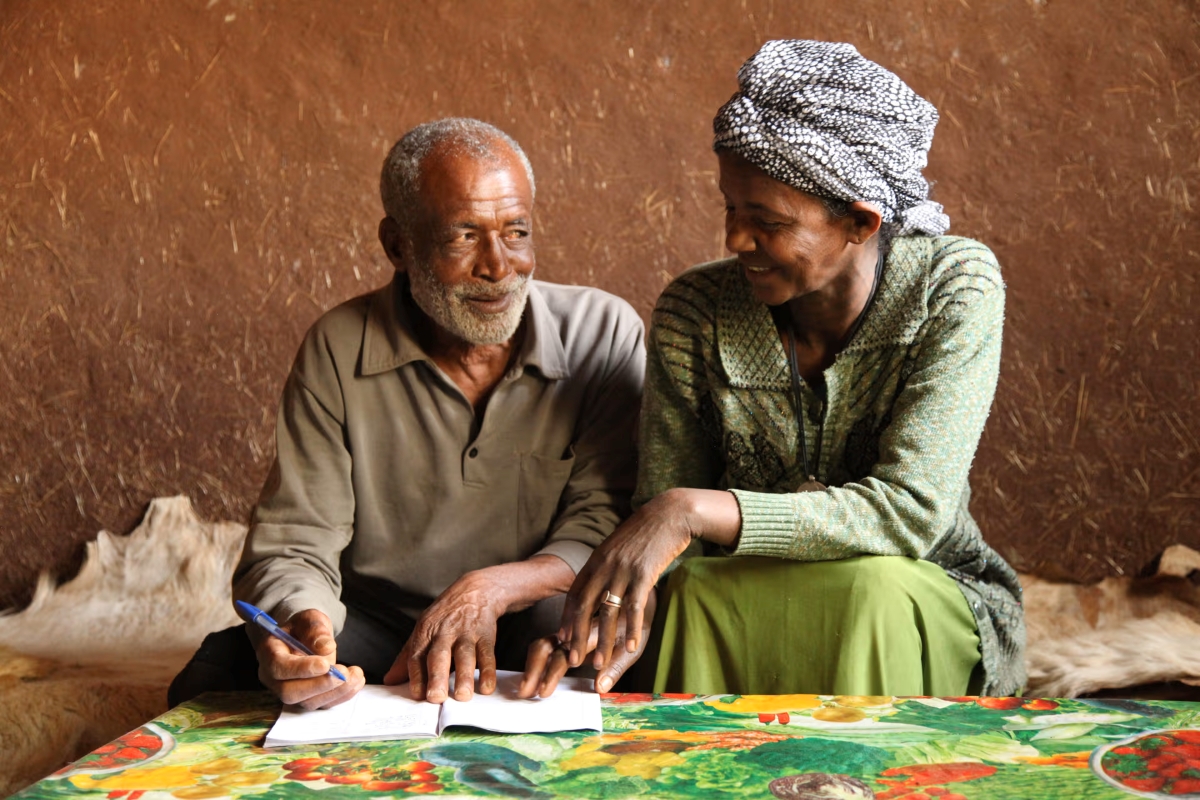
Women as Drivers of Transformation – Empowerment Index Shows Notable Improvement
ICP emphasizes that women’s empowerment strengthens the economic resilience and productivity of coffee-farming households and communities. The Women’s Empowerment Index saw notable improvements across all countries, particularly in Tanzania from 65% to 84%, Honduras from 61% to 68%, and Brazil from 52% to 63%. Activities included gender and youth-focused approaches to enhance participation and economic opportunities.
Global Presence: 28 Projects in 13 Countries, Reaching 125,700 Households
Since its founding in 2001, ICP has implemented 28 projects in 13 countries, reaching 125,700 households with total investments of EUR 25 million from ICP shareholders. ICP worked with 487 farmer organizations, and 45% of women and 21% of youth participated in project activities and trainings in 2025.
Institutional Partners and Estimated Returns
ICP’s institutional partners include Neumann Gruppe, EMS, EST, Café Gold, Kabi, and Nestlé. ICP estimates that every euro invested by its shareholders generates approximately 7 euros in social, environmental, and economic returns, reflecting the effectiveness of its integrated development model.
What Matters: Integrated Livelihood Support and Women’s Empowerment
ICP emphasizes that integrated livelihood support requires empowering smallholder farmers to assess risks, opportunities, and trade-offs in increasingly complex environments. Through a participatory and inclusive approach, content is tailored to local needs with continuous community feedback. Training and technical support are linked to institutional strengthening and inclusive economic development, enabling farmers to manage climate risks and access market opportunities. ICP believes that women can be key drivers of transformation and that empowering them strengthens the economic resilience and productivity of coffee-farming households and communities.
Frequently Asked Questions About the ICP 2025 Annual Report
Q: Which countries did ICP work in during 2025?
A: Brazil, Honduras, Indonesia, Tanzania, and Uganda, with a new project launched in Ethiopia.
Q: How many households benefited from ICP projects in 2025?
A: 12,819 smallholder coffee farming households.
Q: Which countries saw the highest income increases?
A: Indonesia saw the highest relative increase from USD 2,925 to USD 4,781, followed by Honduras from USD 7,938 to USD 10,372.
Q: How did the Women’s Empowerment Index improve?
A: It improved across all countries, with significant increases in Tanzania from 65% to 84%, Honduras from 61% to 68%, and Brazil from 52% to 63%.
Q: What are ICP’s cumulative investments and reach since its founding?
A: EUR 25 million invested, reaching 125,700 households across 13 countries.
The ICP 2025 Annual Report confirms that investing in smallholder coffee farmers, empowering women, and strengthening local institutions are essential pillars for building a more resilient and sustainable coffee sector. As climate and market challenges persist, integrated development models that place farmers at the heart of solutions are increasingly vital.
Prepared and edited by: Qahwa World – Based on the 2025 Annual Report of International Coffee Partners (ICP).
All rights reserved. Republication with attribution permitted.
Publication date: June 19, 2026