Kenya Coffee Flavor Map Expo Draws 3,000 Visitors
- The Kenya Coffee Flavor Map & Origin Expo drew nearly 3,000 visitors.
- The event took place in Nairobi from November 14 to 16, 2026.
- A total of 173 cuppers evaluated 484 coffee samples from 22 producing counties.
- The samples covered 11 regional groupings across Kenya.
- Kenyan and international cuppers agreed on citrus notes in half of their evaluations.
- Some 60,465 flavor descriptors were recorded through a custom digital application.
- The open-access atlas is expected in early 2027.
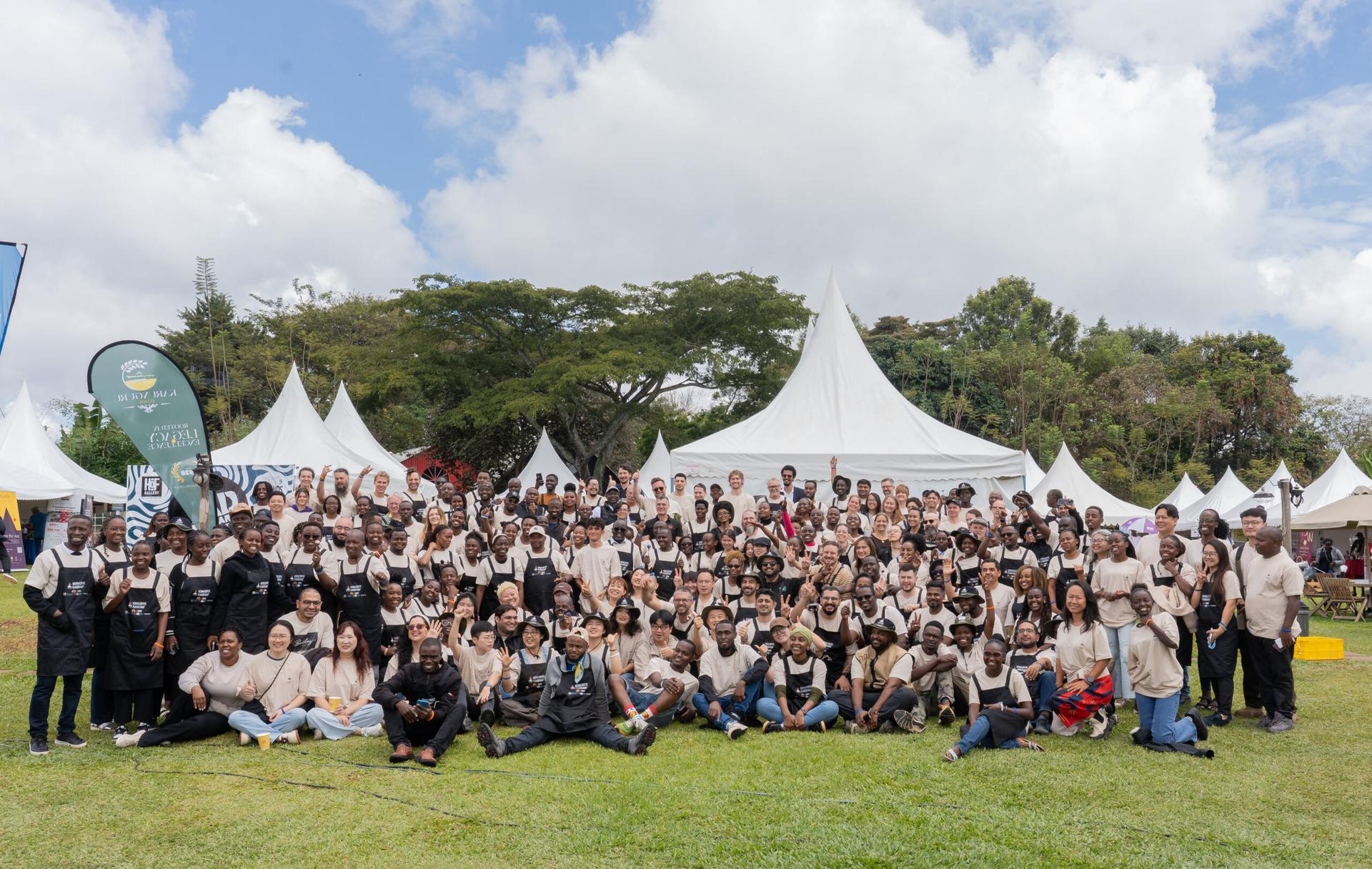
Kenyan coffee professionals came together to document the country’s coffee diversity. Their goal was to lay the foundations for its first national coffee flavor atlas. The atlas is planned to be publicly accessible in 2027. The effort took place through the Kenya Coffee Flavor Map & Origin Expo.
The Expo drew nearly 3,000 visitors. It was held at Shamba Events Centre in Nairobi from November 14 to 16, 2026. The Government of Kenya, the Coffee Board of Kenya and FAO in Kenya presented it. The Kenya Coffee Platform and UNIDO partnered in organizing it. Torch Coffee provided the technical framework for the flavor map project.
173 Cuppers and 484 Coffee Samples
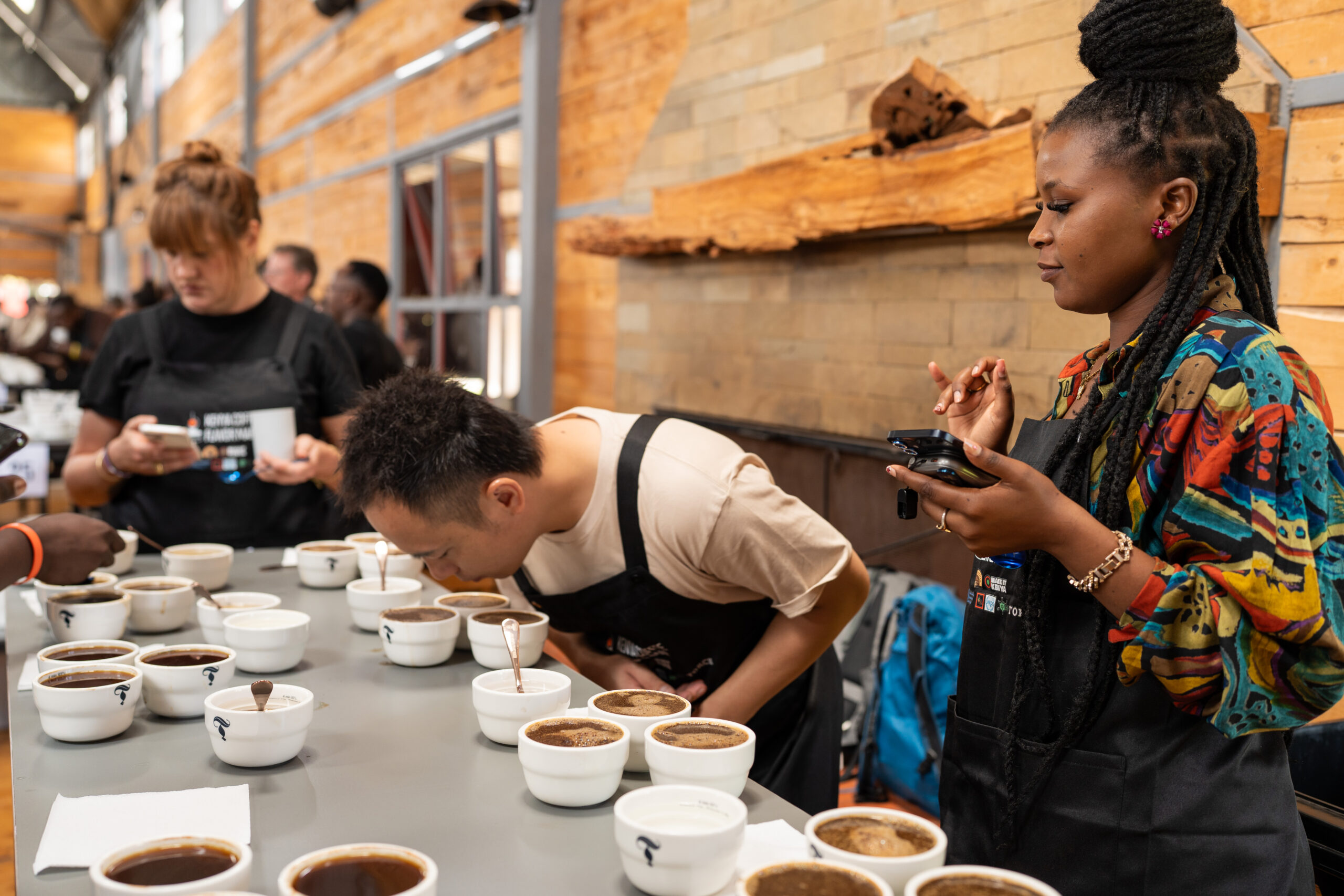
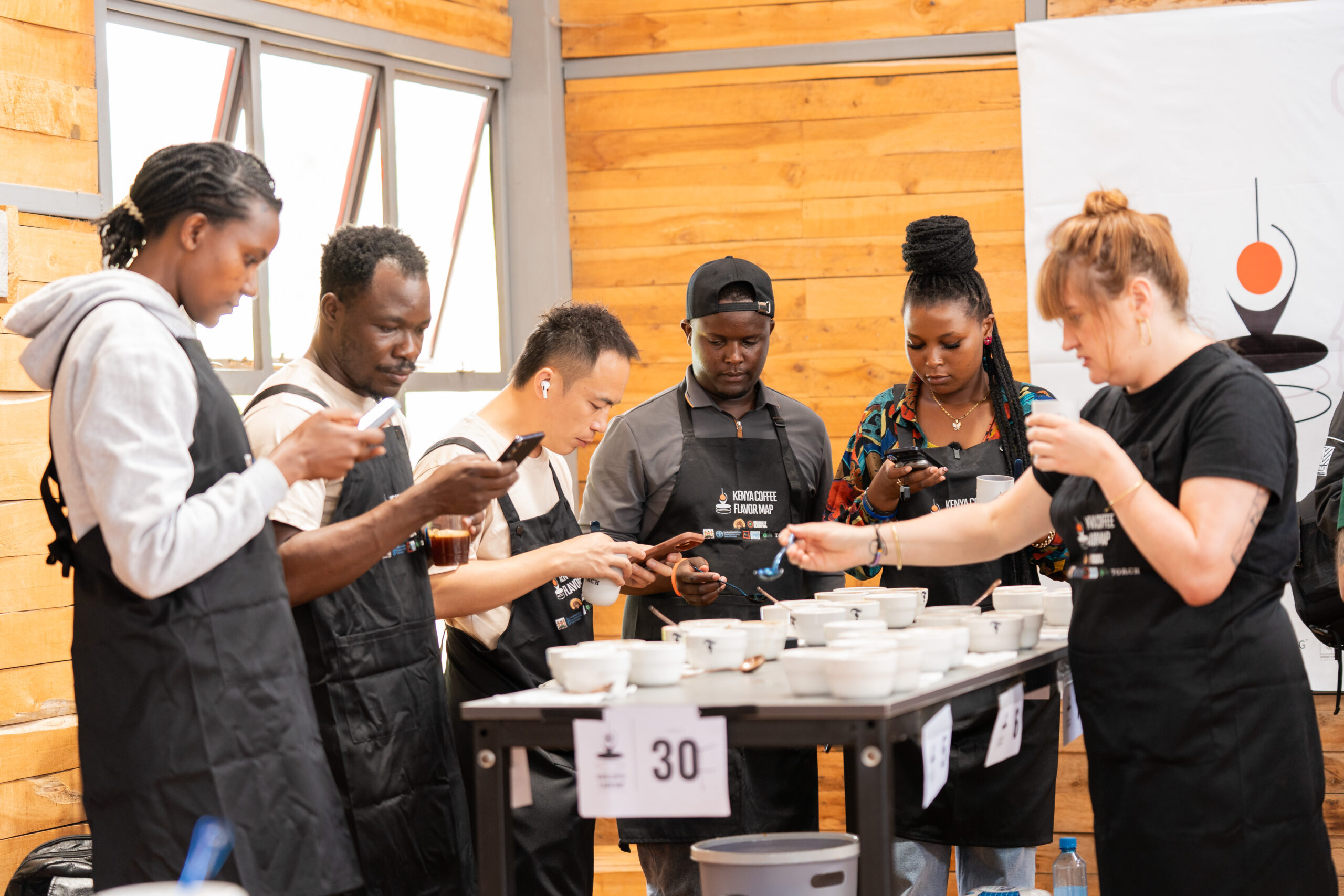
Blind sensory evaluations ran over two full days. A total of 173 cuppers from Kenya and abroad took part. They documented the characteristics of 484 coffee samples across 11 regional groupings. The regions covered Nyeri, Kirinyaga, Kiambu, Murang’a, Embu, Upper Eastern, Machakos, Kericho and Nandi, North Rift, Western and Nyanza.
Participants used a bespoke digital cupping application developed exclusively for the project. The application allowed them to record and organize sensory observations precisely. Confirmed cuppers represented at least 26 countries, with more than half coming from Kenya.
| Item | Number |
|---|---|
| Expo visitors | Nearly 3,000 |
| Cuppers | 173 |
| Coffee samples | 484 |
| Producing counties | 22 |
| Regional groupings | 11 |
| Flavor descriptors recorded | 60,465 |
| Countries represented | At least 26 |
Convergence Between Kenyan and International Cuppers
Preliminary findings revealed consistency between Kenyan and international cuppers. Both groups identified citrus notes in 50 percent of their evaluations. This covered 459 washed coffees. The agreement held despite differences in their descriptive vocabulary. The convergence supports the identification of shared sensory patterns through blind evaluation.
The research also revealed distinct flavor characteristics across Kenya’s coffee-growing regions. This supports the idea that geographic origin leaves a sensory signature that can be documented. It opens the way for more precise marketing of Kenyan coffee in international markets.
A New Generation and Farmers in the Same Project
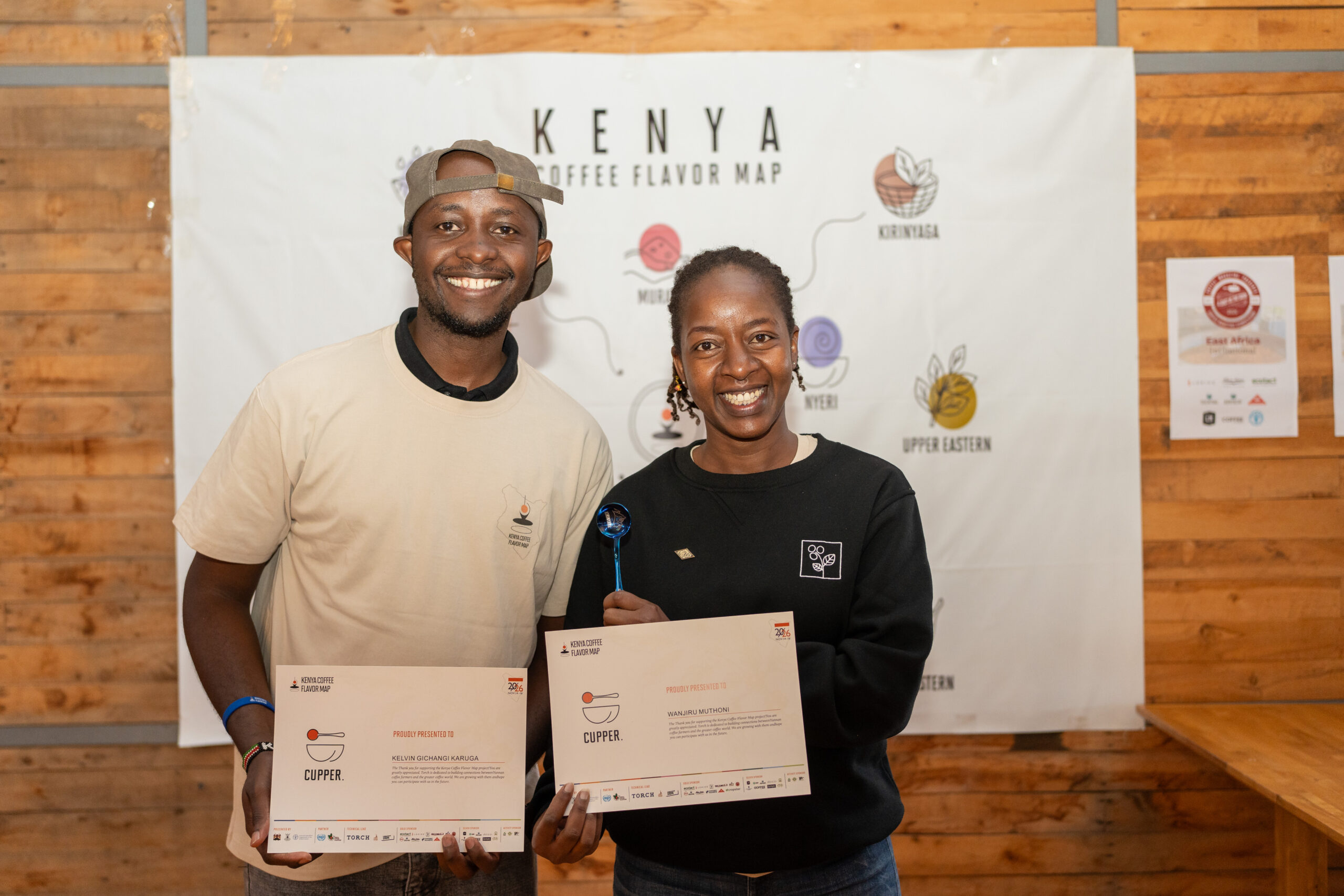
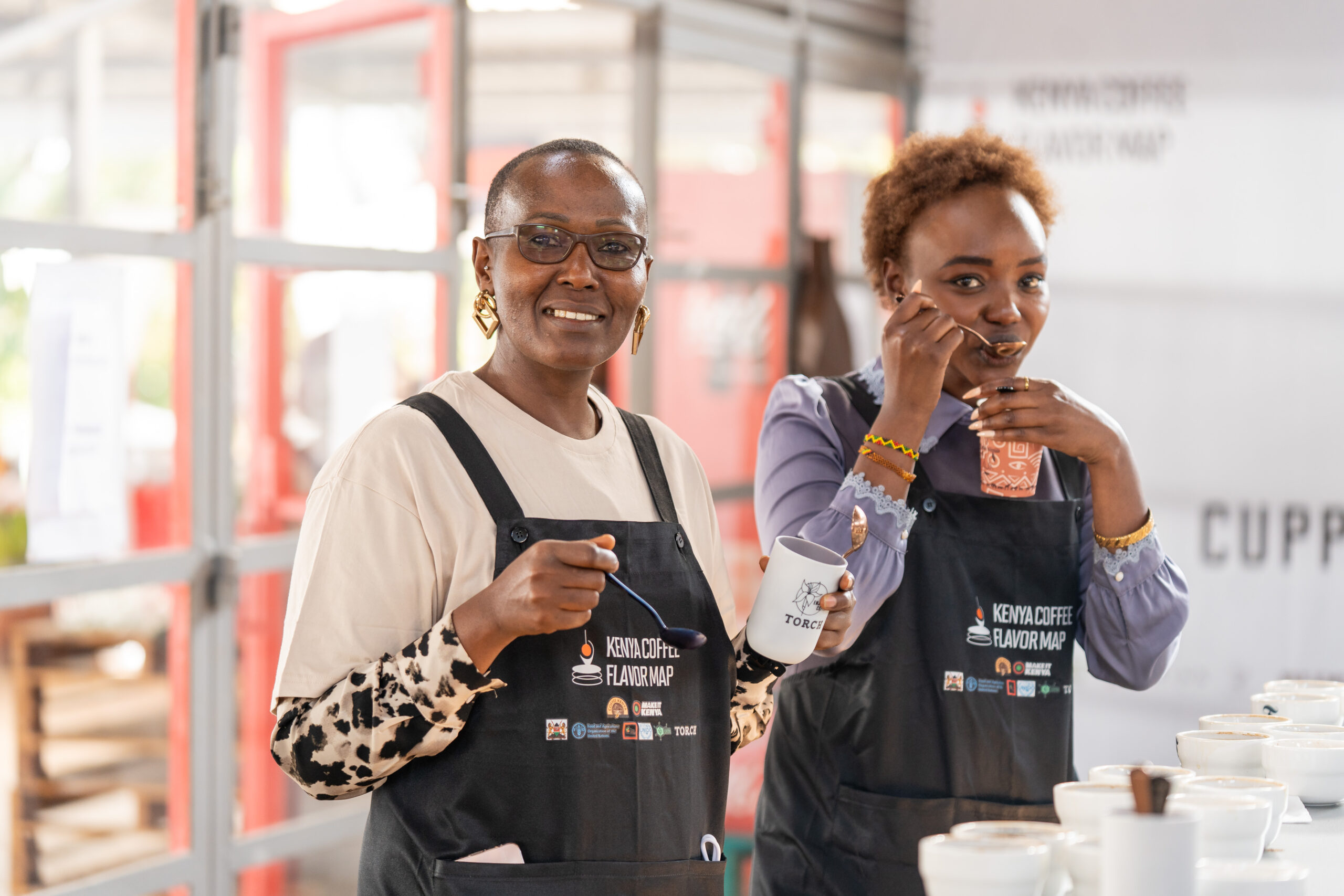
The initiative brought together different generations and sectors of Kenya’s coffee industry. Farmers and cooperative workers took part alongside scientists, agronomy students, young baristas and café entrepreneurs. The gathering connected the country’s agricultural heritage with its growing domestic coffee culture. It also created new opportunities for Kenyan professionals to document and interpret their origins.
Sheila Agida, Assistant Director of Quality Assurance at the Coffee Board of Kenya and a participating cupper, said the initiative represents an opportunity to strengthen Kenya’s ownership of its coffee knowledge. She added that its findings should inform farmer training, quality improvement, marketing, research and national promotion. She stressed that the future of Kenyan coffee should be built on quality, innovation, traceability and sustainability. She also said the knowledge generated must reach the farmer, inform the buyer, inspire the barista and educate the consumer.
An Open Atlas Linking Flavor to Geography
Stephen Vick, one of the event organizers and founder of Siip Coffee, explained that the cuppings were not about judging quality. They were about mapping what is actually inside Kenyan coffees across fragrance, aroma, flavor and acidity. He said 173 cuppers recorded 60,465 flavor descriptors on 484 coffees. The team is using them to build both a printable static map and an interactive map.
The atlas will connect sensory profiles with geographic origins, varieties, processing methods and growing conditions. This will give producers and cooperatives new ways to introduce coffees from lesser-known regions to international buyers. Soil and climate-suitability information will also be integrated into the digital platform. Following data validation and analysis, the open-access atlas and database are expected in early 2027.
A Window on Kenya’s Coffee Economy
The Expo offered a glimpse of Kenya’s expanding coffee economy. It brought together local roasters, cooperatives, equipment suppliers and coffee businesses. The fair was open to the public for three days. It featured tastings, demonstrations and family-friendly activities. The Kenya Coffee Origin Conference was also held on November 14. It explored climate resilience, regional identity, market access and domestic value addition.
Wangeci Gitata-Kiriga, CEO of Revolutionary Coffee, said the most important thing was dialogue. She pointed to the conversations taking place and the encouragement of seeing many Kenyan brands in one place. She added that the concentration of domestic businesses reinforced confidence in the local economy.
Frequently Asked Questions