Dubai – Qahwa World
National Geographic has published an in-depth report examining Vietnam’s coffee culture, describing it as one of the most dynamic and inventive in the world—where a once-colonial crop has evolved into a powerful symbol of identity, community, and creativity.
According to the magazine, coffee in Vietnam is far more than a daily stimulant. While many cultures consume coffee quickly or in passing, Vietnamese coffee is typically enjoyed slowly, in social settings that encourage conversation, reflection, and a shared sense of place.
From Colonial Introduction to Global Powerhouse
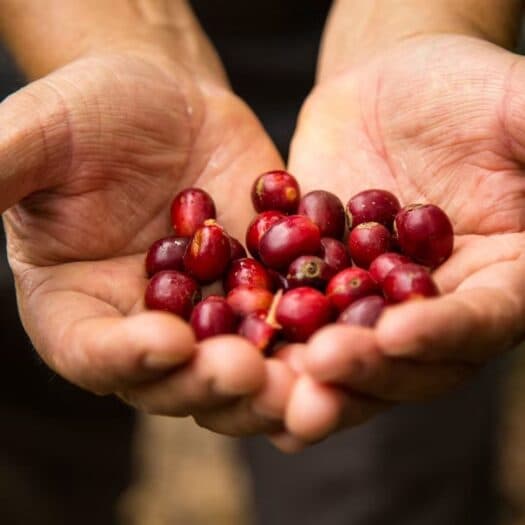
As reported by National Geographic, coffee was first introduced to Vietnam in 1857 by French missionaries. Early cultivation focused on Arabica beans, which struggled in the country’s climate. Farmers eventually shifted to Robusta, a hardier variety that thrived in the Central Highlands and southern regions.
Following the Vietnam War, coffee became a cornerstone of the country’s economic recovery. Government investment in the 1980s helped transform Vietnam into a major producer, and today it stands as the world’s second-largest coffee exporter after Brazil, the magazine notes.
Innovation Shaped by Scarcity
The report highlights how periods of scarcity fueled Vietnam’s most distinctive coffee traditions. During the 1940s, when fresh milk was difficult to obtain, condensed milk became a staple ingredient. The same era saw the creation of Vietnam’s iconic egg coffee, made by whisking egg yolks with sugar into a rich, creamy topping.
National Geographic also points to the phin filter—a simple metal brewing device—as a defining feature of Vietnamese coffee culture, producing a bold, concentrated brew that reflects both practicality and craftsmanship. Coconut coffee, meanwhile, emerged from the country’s abundance of tropical resources.
Coffee as a Social Ritual
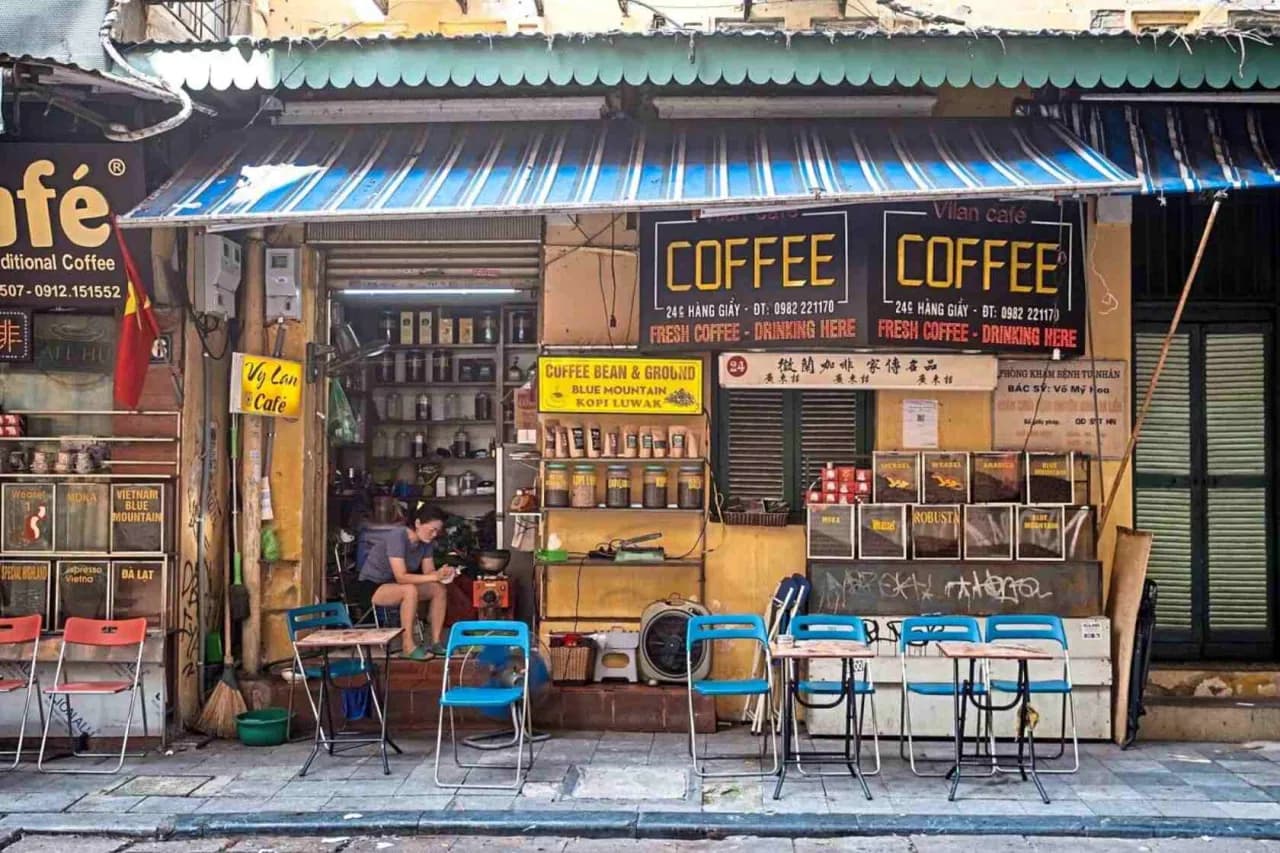
According to voices cited by National Geographic, coffee in Vietnam functions as a social rhythm rather than a rushed habit. From street-side stools in Ho Chi Minh City to neighborhood cafés in Hanoi, coffee drinking is deeply embedded in everyday life.
The magazine reports that this communal approach has increasingly attracted travelers, while younger generations of Vietnamese entrepreneurs are reshaping the industry—focusing on quality, traceability, and thoughtful café experiences that elevate local beans to global standards.
A New Era of Coffee Experiences
National Geographic notes that cities such as Hanoi, Da Nang, and Hoi An now offer a wide spectrum of coffee experiences. Traditional cafés coexist with specialty shops, luxury hotels, and curated tasting programs that introduce visitors to Vietnam’s diverse coffee terroirs.
The report also highlights the growing presence of coffee-based cocktails and modern mixology, where Vietnamese Robusta beans are used to add depth and structure to innovative drinks, reflecting the country’s evolving culinary creativity.
A Living Cultural Legacy
In conclusion, National Geographic emphasizes that Vietnam’s relationship with coffee mirrors the nation’s broader history—shaped by colonial influence, hardship, and adaptation, yet ultimately defined by ownership and pride.
As the magazine observes, drinking Vietnamese coffee today is not simply about flavor, but about experiencing a collective memory of resilience, reinvention, and hope.