Dubai – Qahwa World
Coffee in China is no longer just an imported commodity or a growing consumer trend. It has become a strategic industrial and trade opportunity, with value chains extending from African production regions to Chinese processing hubs and global export markets. The Puyang County project in Henan Province stands out as a leading example of this transformation.
- From Import to Deep Processing
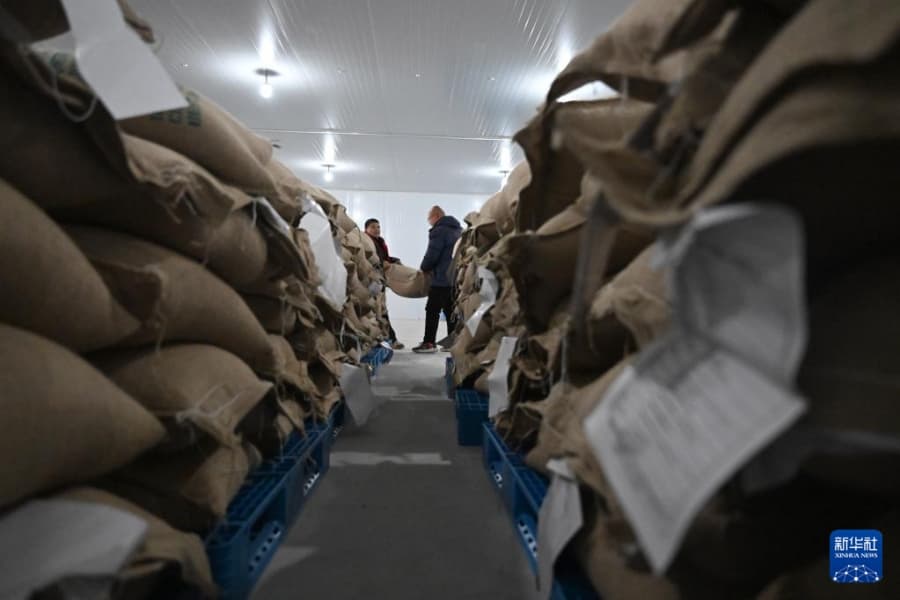
In recent years, Puyang County has actively participated in the Belt and Road Initiative, leveraging its industrial base and logistics infrastructure in central China. Within this framework, the China-Ethiopia Coffee Industrial Demonstration Park was established, relying primarily on coffee beans imported from Ethiopia and Uganda, two of the world’s most prominent coffee origin countries.
What sets Puyang apart is not merely the import of raw beans but the transition to advanced processing within China, which increases the value of the final product and strengthens the competitiveness of Chinese manufacturers in global coffee supply chains.
A Fully Integrated Production Facility
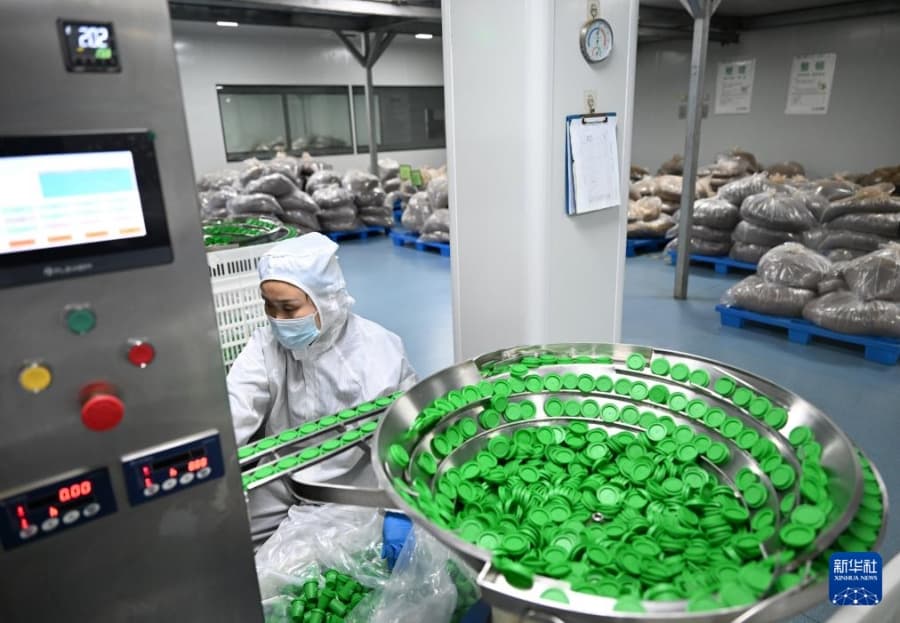
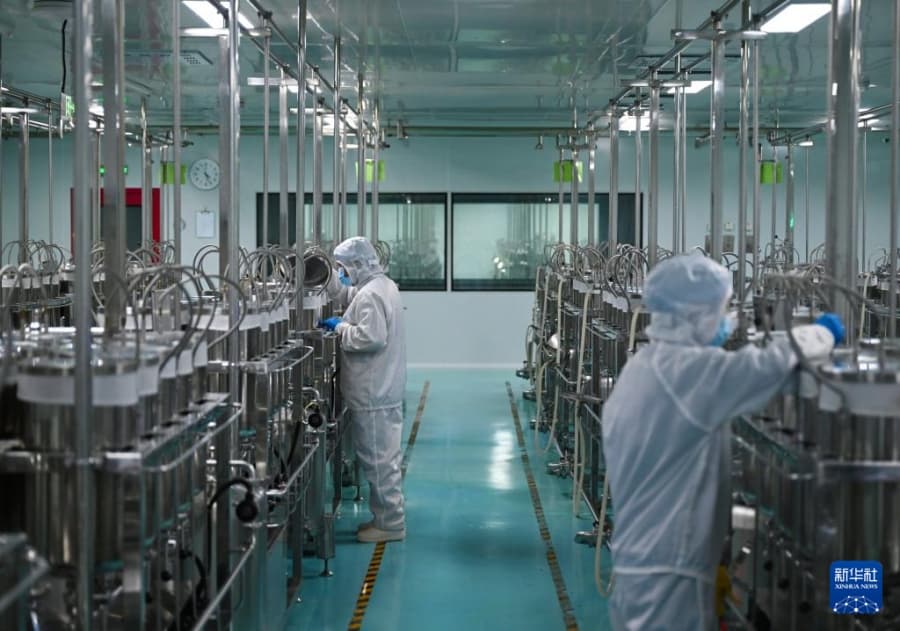
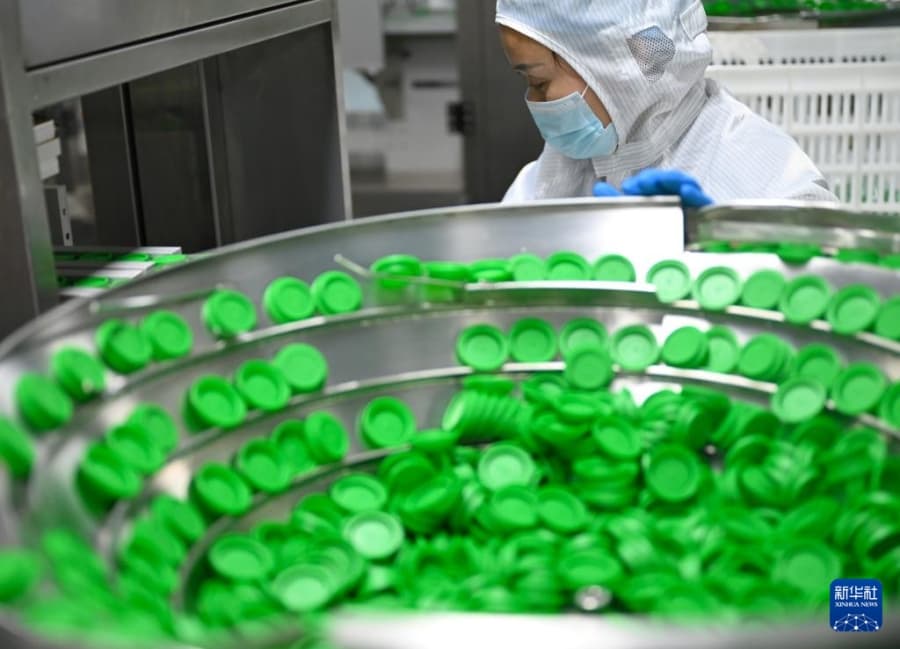
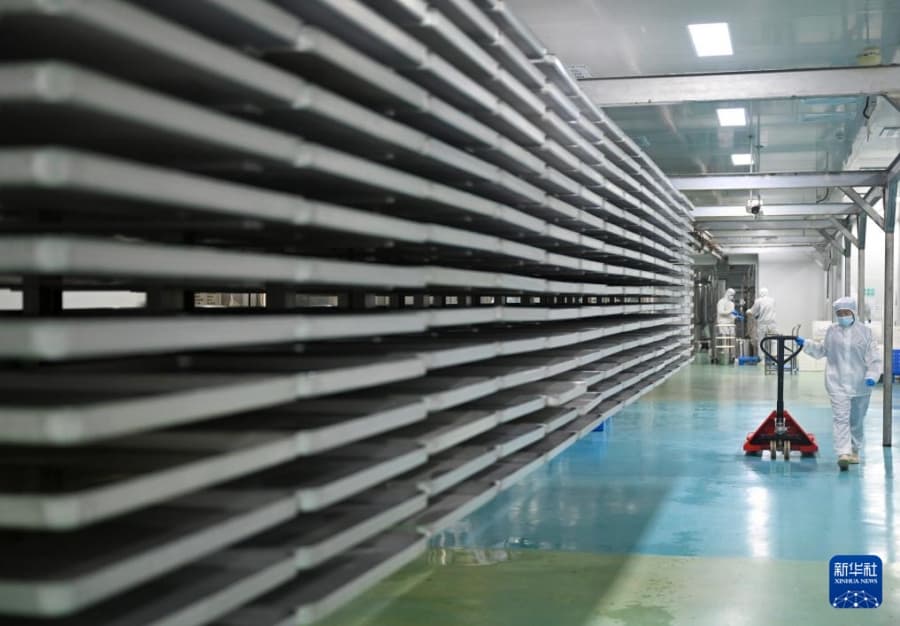
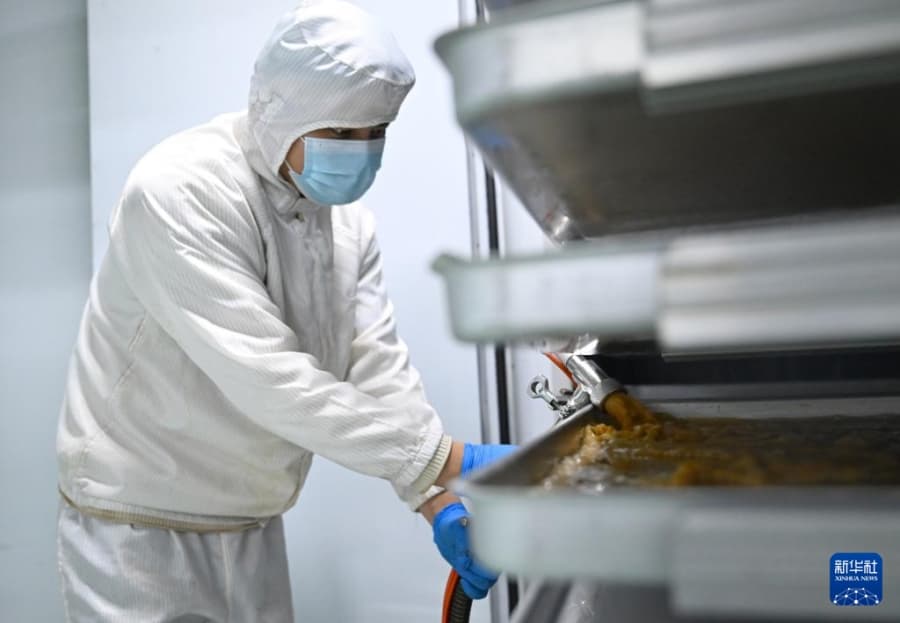
The demonstration park in Puyang features a fully integrated production system, including:
A factory producing freeze-dried instant coffee;
Three roasting lines for coffee beans;
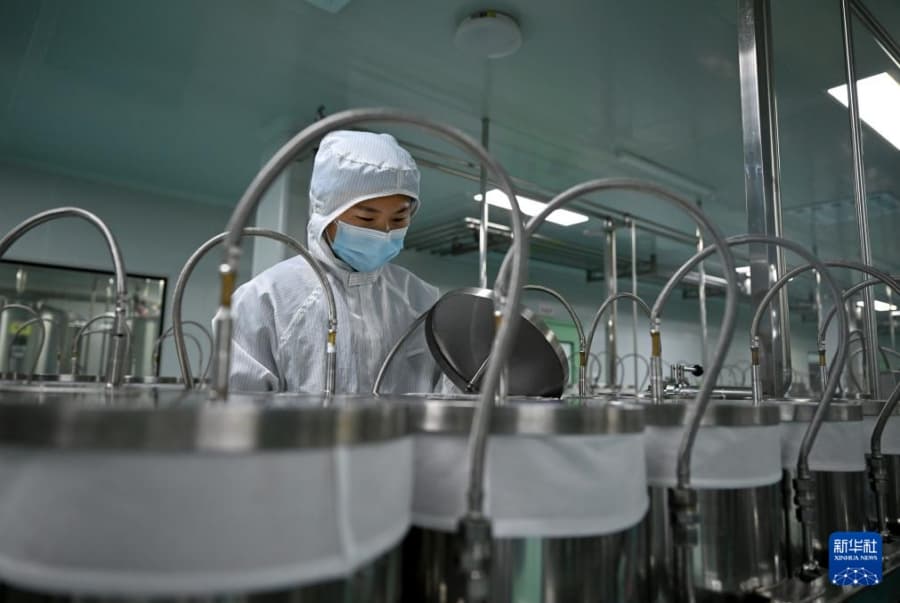
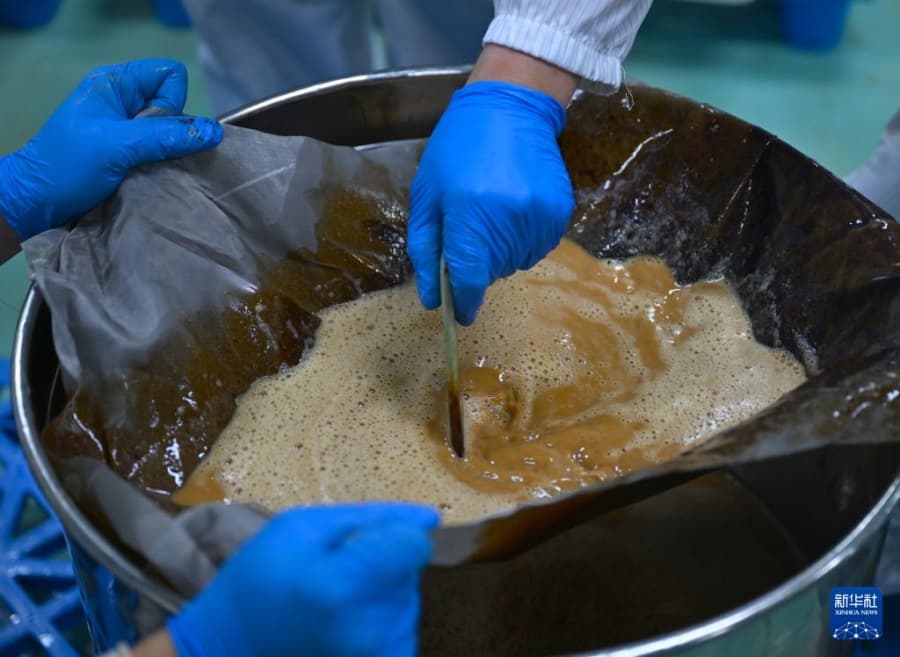
Ten cold brew production lines;
Eight freeze-drying lines.
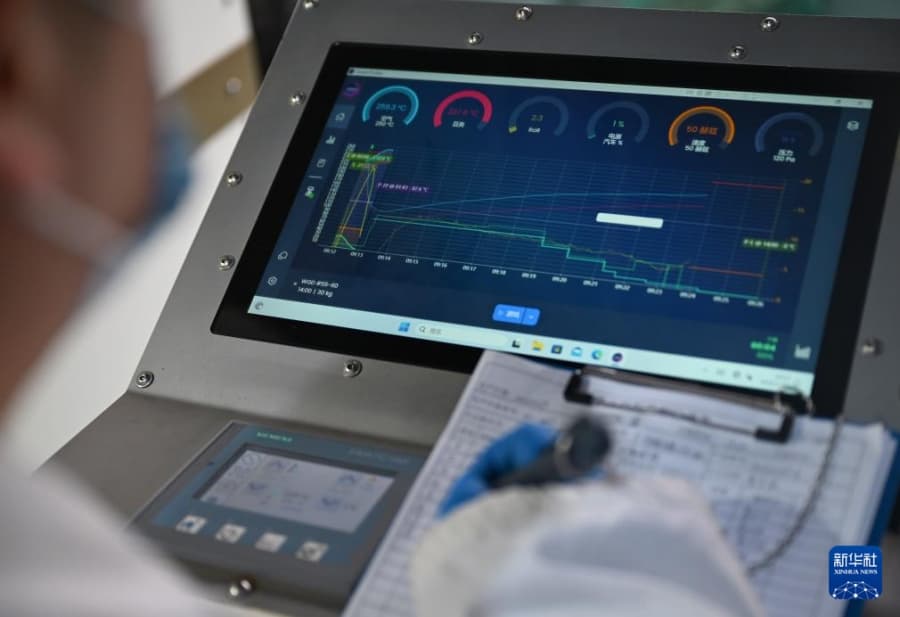
This integration allows complete control over all processing stages—from roasting and extraction to drying and packaging—ensuring consistent quality, product variety, and the capacity to meet diverse international standards.
- Puyang at the Heart of China’s Emerging Coffee Value Chains
Puyang’s initiative reflects a broader shift in China: moving from being a final importer of coffee to becoming a regional hub for processing and re-exporting coffee. With growing domestic consumption and the expanding specialty coffee market, models like Puyang’s are increasingly relevant, combining industrial efficiency with trade flexibility.
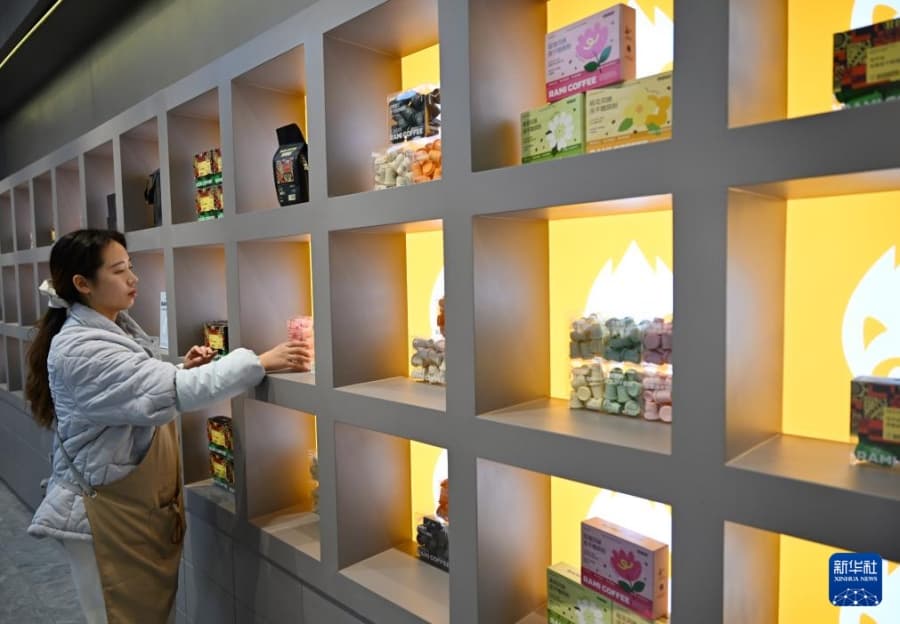
Exports from Puyang now reach Singapore, the United States, and other countries, demonstrating that integrated production chains can effectively serve both domestic and international markets.
- Coffee as a Belt and Road Cooperation Tool
On a larger scale, Puyang exemplifies how the Belt and Road Initiative can support agro-industrial value chain development, not only infrastructure and energy projects. By importing beans from African origins and processing them domestically, China creates a shared-value model: raw material sourcing in Africa, industrial processing in China, and global market distribution. This strengthens China’s role in global coffee trade while providing African producers with more stable export channels.
- Implications for the Specialty Coffee Sector
For the specialty coffee industry, Puyang highlights several key trends:
Increased focus on advanced processing techniques such as freeze-drying and cold brew extraction;
Building industrial capacity capable of handling a wide range of African coffee origins;
A growing orientation toward export-ready, value-added products, not just the domestic market.
These elements make Puyang a case study for China’s evolving coffee value chains, particularly as Belt and Road initiatives continue to expand.
The Puyang project illustrates how coffee can evolve from a simple imported commodity into a high-value industrial product within fully integrated value chains. With ongoing investment and strategic partnerships, coffee is poised to become a new axis of industrial and trade collaboration between China and producing countries, reaching beyond domestic consumption into global markets.
Gallery