Date: June 2, 2026
Russia Mandates Digital Labeling for Coffee and Chicory From June 2026
Key Takeaways:
- Russia launches mandatory “Honest Sign” digital labeling for coffee and chicory from June 1, 2026.
- Data Matrix codes on every package ensure full traceability from production to shelf.
- Consumers can verify products instantly using the official mobile app.
- Retail prices expected to rise 5 to 15 percent during the initial adaptation phase.
- The Russian system surpasses European standards in consumer accessible real time data.
- Labeling now covers more than 20 product categories as part of a national anti counterfeiting strategy.
Russia has officially launched mandatory digital labeling for coffee and chicory as of June 1, 2026. The measure is part of the national “Honest Sign” (Честный Знак) system. The initiative aims to enhance supply chain transparency and combat counterfeit products.
At the same time, Russia introduced piece by piece traceability for salmon and sturgeon caviar. This move is part of a broader government strategy that already covers more than 20 product categories. The coffee sector, especially instant coffee, is expected to see significant changes in prices and market structures in the coming period.
How It Works: 2D Codes and a Verification App
According to the government decree published on the official legal information portal, all producers and importers must now apply Data Matrix codes to coffee and chicory products. This applies when introducing products into commercial circulation. Goods manufactured before the deadline can be sold without codes until their expiration date.
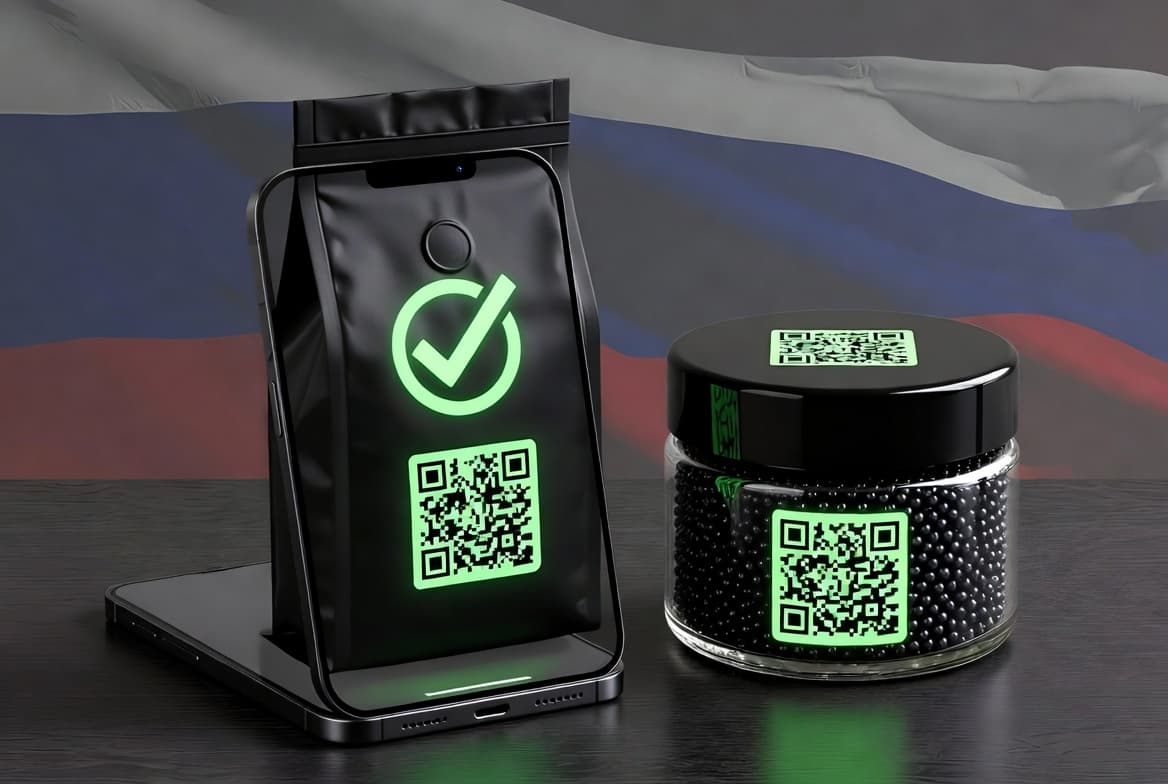
The Center for the Development of Advanced Technologies (CRPT), operator of the “Honest Sign” system, stated that consumers can now verify product authenticity and safety with a single scan. This is done using the official mobile app. The app displays manufacturer or importer details, production date, shelf life, and official permits. If any issue is found, the app triggers immediate warnings to the buyer.
Expected Impact on Coffee Prices
Industry experts anticipate moderate price increases in the short term. The cost of applying each Data Matrix code, combined with expenses for labeling equipment, software integration, and staff training, will put pressure on producers. The instant coffee segment, which operates on low profit margins, will be particularly affected.
As a result, analysts estimate potential retail price rises of 5 to 15 percent for certain categories during the initial adaptation phase. However, the Ministry of Industry and Trade has downplayed concerns. It argues that reducing the gray market, estimated at up to 13 percent in the coffee sector, will eventually offset costs. Legitimate producers will then be able to gain market share.
In the medium to long term, greater market transparency could stabilize or even slightly lower prices. Squeezing out counterfeit and smuggled products will foster fairer competition.
Comparison: Russian System vs. European Standards
| Criteria | Russian “Honest Sign” System | EU System (Regulation 178/2002) |
|---|---|---|
| Traceability level | Centralized, unit by unit | One step forward, one step back (direct suppliers and customers) |
| Consumer access to data | Public via mobile app, instant scan of each package | Not generally available to the public |
| Primary focus | Anti counterfeiting, tax evasion reduction | Food safety, health, environmental sustainability |
| National database | Yes, unified and centralized | No centralized public database |
| Additional initiatives | Mandatory for over 20 product categories | Digital Product Passport, EU Deforestation Regulation (EUDR) |
Why This Matters
This development is part of a broader Russian strategy. Moscow has already applied mandatory labeling to more than 20 product categories, including pharmaceuticals, dairy, and bottled water. For consumers, this represents a significant empowerment. Instead of relying solely on brand reputation, they can now verify government backed information.
In addition, the reform is expected to reduce health risks from counterfeit products. It will also protect legitimate businesses, cut tax evasion, and support environmental goals. This is especially important for high value items like caviar, where illegal fishing has long been a concern.
The CRPT noted that a successful voluntary pilot phase allowed businesses to test and optimize the system beforehand. This minimized operational disruption.
As Russia strengthens its digital traceability infrastructure, its standards move closer to, and in some aspects ahead of, evolving international best practices. Consumers in Russia are advised to download the “Honest Sign” app and make scanning a regular habit when purchasing coffee, chicory, or premium caviar.
Frequently Asked Questions About Russia’s Digital Labeling System
A: The system came into force on June 1, 2026. It covers coffee and chicory.
A: By downloading the official “Honest Sign” (Честный Знак) mobile app and scanning the Data Matrix code on the package.
A: A temporary increase of 5 to 15 percent is expected during the initial adaptation phase. In the long term, eliminating the gray market could stabilize or lower prices.
A: The Russian system is centralized and allows consumers to scan each product instantly. The EU system relies on one step forward, one step back traceability between businesses without a public consumer database.
A: Yes, importers must also apply Data Matrix codes to imported products when they enter the Russian market.
A: The system covers more than 20 categories, including pharmaceuticals, dairy, bottled water, fur, perfumes, tires, cameras, and others.
Prepared by: Qahwa World Specialized News Unit – based on statements from TASS and the Center for the Development of Advanced Technologies (CRPT).
Publication date: June 2, 2026