From Makkah to the Desert Majlis Hospitality Traditions and Heritage Flavors in a Special Report by Sayidaty
Dubai – Qahwa World
Sayidaty magazine published a special report highlighting Saudi coffee as one of the most prominent symbols of hospitality and generosity in the Kingdom. The report emphasizes its role as a cultural element that reflects the social and historical identity of Saudi society.
The report explains that Saudi coffee is not simply a traditional drink but a deeply rooted cultural practice connected to authentic hospitality rituals. Its aroma, blended with cardamom and incense, represents the first expression of welcome offered to guests. It also notes that this cultural heritage is included in UNESCO’s list of intangible cultural heritage.
According to the report, engineer Abdullah bin Kalib, an expert in coffee heritage, stated that coffee was not originally the primary beverage of hospitality. Earlier traditions included milk and broth before coffee became central to Arab hospitality culture, particularly in the Arabian Peninsula. He added that coffee first appeared in urban centers, especially Makkah, before spreading to desert communities and becoming part of their social and cultural life.
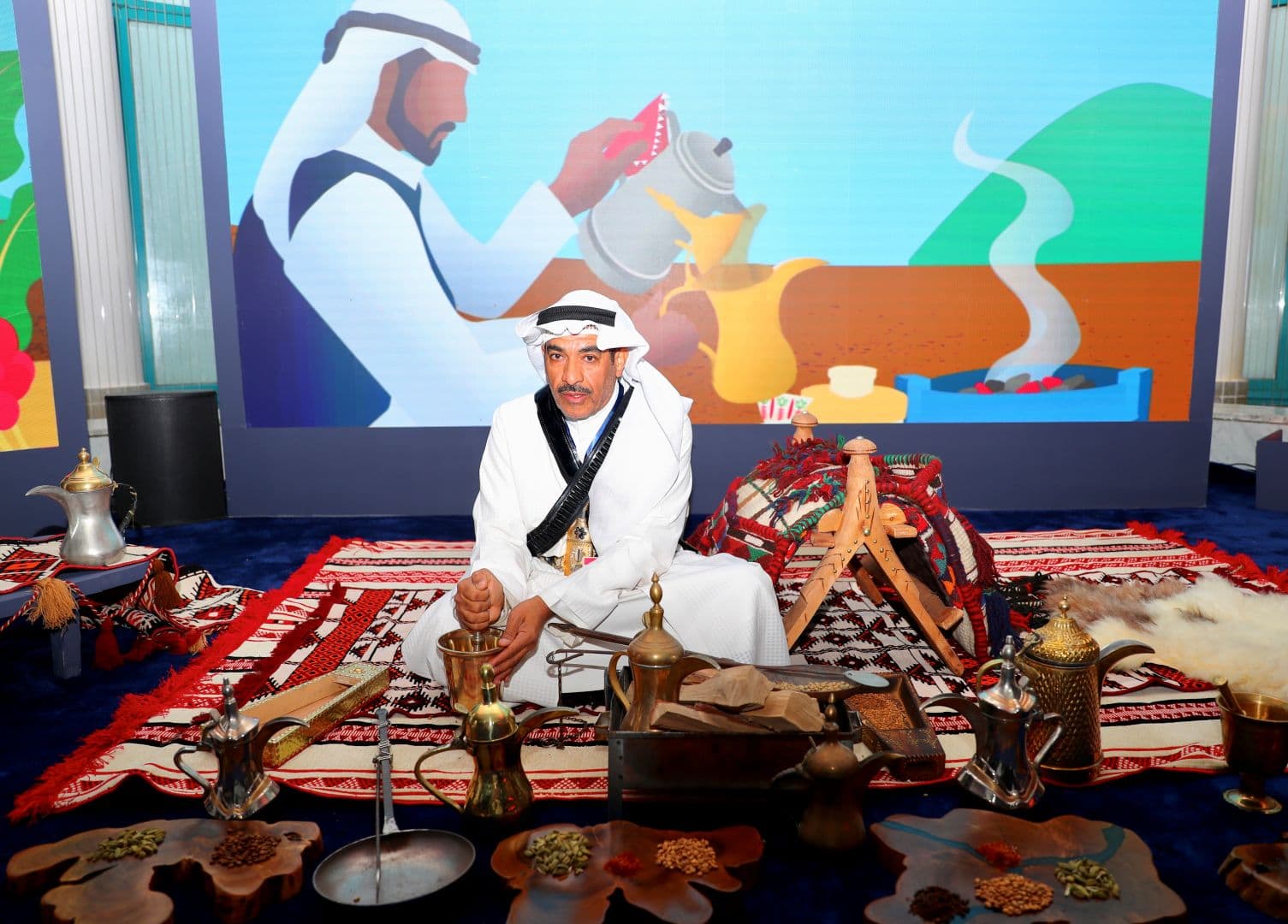
The report highlights that coffee gatherings known as majlis are more than seating areas. They function as social and cultural spaces where values are transmitted, younger generations learn hospitality practices, and communities exchange news, poetry, and conduct social and commercial discussions.
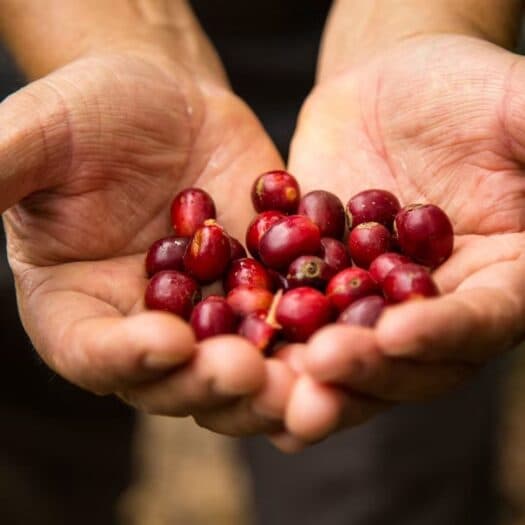
It also discusses the diversity of Saudi coffee in types and preparation methods, including global varieties such as Arabica and Robusta, as well as the rare Khawlani coffee grown in Jazan, known for its distinctive nutty flavor. Regional differences in roasting and preparation contribute to a wide range of taste profiles across the Kingdom.
The preparation process includes roasting, grinding using the traditional mortar, boiling, and adding spices such as cardamom, saffron, ginger, and cloves before serving it in the traditional dallah according to established hospitality customs.
Serving traditions are also highlighted, where coffee is typically offered starting with the eldest guest or from the right side, reflecting respect and social etiquette deeply rooted in majlis culture.
The report concludes by noting the traditional pairing of coffee with dates, along with modern developments such as electric coffee makers and instant coffee. These innovations have helped expand its use while maintaining its cultural significance, ensuring Saudi coffee remains a living symbol of heritage, identity, and hospitality.