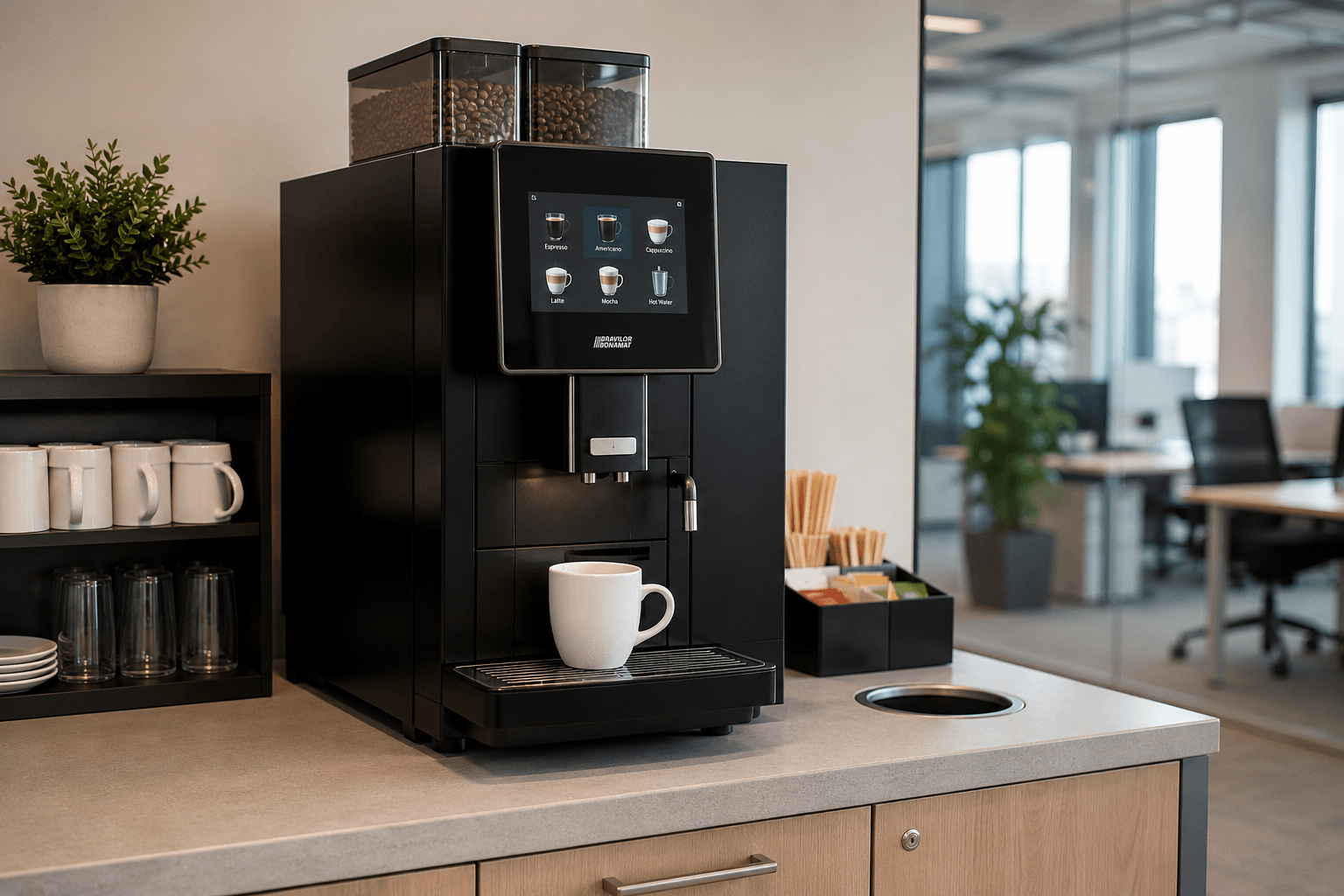
Swedish Study: Workplace Coffee Machines May Raise Bad Cholesterol
- Swedish study reveals workplace coffee machines may produce natural compounds that raise bad cholesterol.
- The main compounds are cafestol and kahweol, belonging to the diterpene group.
- Traditional machines with metal filters produced elevated levels of these compounds.
- Machines using liquid coffee concentrate recorded low levels similar to filtered coffee.
- Paper-filtered and instant coffee contain very low levels of these compounds.
- Researchers recommend those drinking several cups daily choose paper-filtered or instant coffee.
A recent Swedish scientific study has found that some common workplace coffee machines produce elevated levels of natural fatty compounds. These compounds may contribute to higher levels of bad cholesterol in the blood.
The study was published in the journal Nutrition, Metabolism and Cardiovascular Diseases. It was led by a team from Uppsala University in collaboration with Chalmers University of Technology, under the direction of researcher David Iggman.
What Are the Compounds That Raise Cholesterol?
The researchers focused on two natural compounds found in coffee: cafestol and kahweol. These belong to a group known as diterpenes. It has long been known that these compounds are present in higher amounts in unfiltered or boiled coffee. They can raise levels of LDL or “bad” cholesterol while slightly lowering HDL or “good” cholesterol. Elevated LDL is linked to an increased risk of cardiovascular disease over time.
How Was the Study Conducted?
The team analyzed samples from 14 coffee machines located in different workplaces, mostly healthcare facilities. Samples were collected over multiple days and compared with other common brewing methods, including paper-filtered drip coffee, French press, espresso, and boiled coffee.
| Brewing Method | Compound Level |
|---|---|
| Traditional machines with metal filters (ground coffee) | High |
| Machines using liquid coffee concentrate | Low (similar to filtered) |
| Paper-filtered drip coffee | Very low |
| Instant coffee | Very low |
| French press | High |
| Espresso | Relatively high |
| Boiled coffee | High |
Key Findings
Results showed that traditional machines using ground coffee beans and metal filters produced significantly higher amounts of these compounds than paper-filtered coffee. In contrast, machines using liquid coffee concentrate recorded much lower levels, similar to those found in well-filtered coffee.
Lead researcher David Iggman noted that the impact of these compounds depends largely on the amount of coffee consumed daily. He emphasized that coffee remains a beverage associated with several health benefits. Proper filtration, he added, plays a crucial role in reducing the presence of these substances.
Researcher Recommendations
The researchers recommended that people who drink several cups a day opt for paper-filtered coffee or instant coffee. Both contain very low levels of these compounds.
The findings highlight the importance of brewing method, particularly in workplace settings where many people rely on automatic coffee machines on a daily basis.