Dubai – Qahwa World
A cup of coffee for less than one euro is no longer a rare promotion. It is becoming a daily reality in some of Europe’s busiest cities, and it is starting to change how people think about their coffee.
Step off a crowded morning train in Berlin or London and the difference is clear. Instead of waiting in line at a traditional café and paying several euros, you open an app, place your order in seconds, and pick up your drink almost immediately from a compact kiosk nearby.
No long wait. No extra cost. Just fast, affordable coffee.
This shift began to take shape in early 2026, when Chinese coffee chains expanded into major European markets. Their arrival introduced a new model that is already influencing the industry from Paris to Madrid.
A New Model Takes Shape
One of the key players is Cotti Coffee, a fast-growing brand founded in 2022. It has rapidly expanded across international markets and recently opened stores in cities such as Paris, Berlin, Madrid, and London, with more locations planned.
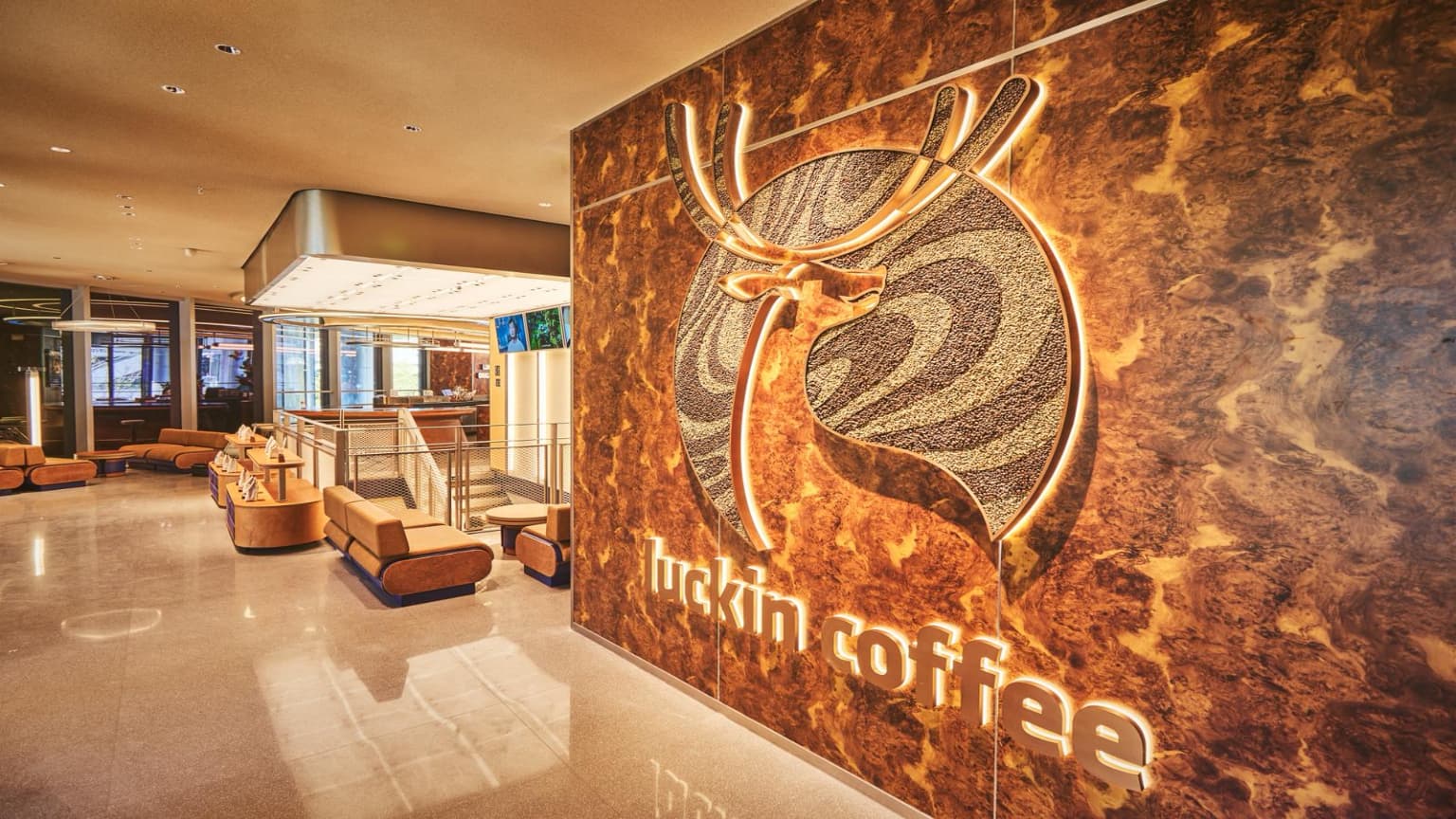
Another major name is Luckin Coffee, which operates tens of thousands of stores globally and continues to explore expansion beyond Asia.

Their approach is built on a simple formula:
Small stores in high-traffic areas
Ordering through mobile apps
Very fast service
Lower prices than traditional cafés
In some locations, espresso is offered for less than one euro, far below typical European prices.
Why Europe Is Ready
Europe has one of the strongest coffee cultures in the world. Coffee is part of everyday life, tied to routines and social moments. However, rising costs have made it more expensive in recent years.
This has created two distinct needs:
Coffee as an experience, where people sit and enjoy the atmosphere
Coffee as a daily necessity, where speed and price matter most
Chinese coffee chains are focused on the second need. They are not replacing traditional cafés but offering an alternative for quick and affordable consumption.
Tradition Still Holds
European cafés remain deeply rooted in culture and identity. Many people still value quality, ambiance, and human interaction.
Because of this, traditional and specialty cafés are expected to remain strong. They may even become more defined by focusing on craftsmanship and local character.
The market is moving toward coexistence rather than replacement.

Changing Expectations
Even without dominating the market, these new entrants are already influencing customer expectations.
They are pushing for:
Lower prices
Faster service
Greater reliance on mobile ordering
More frequent promotions
This is encouraging both independent cafés and large chains to rethink how they operate.
Two Different Approaches
For years, companies like Starbucks have focused on creating comfortable spaces where people can relax, work, or meet.
Chinese chains take a different approach. They prioritize speed, efficiency, and accessibility over atmosphere.
This creates a more diverse coffee landscape, where different models serve different needs.

A Market in Transition
Chinese coffee chains are unlikely to change the core of Europe’s coffee culture, which has developed over generations.
However, the market is clearly evolving. It is becoming more competitive, more flexible, and more responsive to changing consumer habits.
By the end of 2026, Europe’s coffee scene will likely be more diverse, offering both rich experiences and fast, affordable options.