Date: May 29, 2026
Coffee Sweetness: Eight Hypotheses on the Sugarless Paradox
- Roasted coffee contains almost no free sugars above sensory thresholds, yet perceived sweetness is a top driver of consumer preference.
- Research shows trained tasters can reliably rank coffees by sweetness intensity, with differences of 4-6 points on a 15-point scale.
- Aroma drives much of perceived sweetness through retronasal olfaction, where fruity and floral notes fool the brain.
- Non-sugar molecules may activate sweet receptors or modulate taste, with flavoromics research hunting for key compounds.
- Processing methods like anaerobic fermentation and carbonic maceration dramatically amplify sweetness.
- Light to medium roasts preserve sweet precursors, while dark roasts destroy them.
- Brewing parameters including water temperature, grind size, and water chemistry affect extraction of sweet-associated compounds.
For centuries, people have called coffee sweet. Bach was not exaggerating in his Coffee Cantata. Today, sweetness is a top driver of consumer preference in specialty coffee, often more important than acidity or body for many drinkers. Yet roasted coffee has almost no free sugars left above sensory thresholds, typically well below 100-200 mg per liter versus the roughly 2,000 mg per liter needed for detection. This is the enduring sweetness paradox in coffee.
Hypothesis 1: A Real Sensory Phenomenon
Trained tasters can reliably rank coffees by sweetness intensity. Differences of 4 to 6 points on a 15-point scale appear consistently across panels, even when controlling for other variables. This is not imagination. It is a measurable attribute that specialty coffee buyers reward.
Hypothesis 2: Aroma Drives Perceived Sweetness
Retronasal olfaction, the aromas traveling from the mouth to the nose while sipping, plays a huge role. Nose clips significantly reduce perceived sweetness. Fruity, floral, vanilla-like, and caramelized aromas fool the brain into registering sweet. This is cross-modal perception, where smell enhances taste.
Hypothesis 3: Residual Sugars Exist but Are Not the Main Driver
Sugars such as sucrose, glucose, and fructose are present but below threshold. Interestingly, some higher-sugar samples score lower in sweetness, suggesting suppression by other compounds or lack of direct correlation.
Hypothesis 4: Flavor Integration and Suppression
The brain integrates taste, aroma, mouthfeel, and memory. Sweet-associated notes like berry, stone fruit, honey, and chocolate enhance overall sweetness perception. Conversely, high bitterness, roastiness, or astringency suppress sweetness. Balance is everything. A well-processed, light to medium roast often maximizes this effect.
Hypothesis 5: Non-Sugar Molecules Activate Sweet Receptors
Flavoromics research is hunting for specific compounds, possibly certain volatiles, glycosides, or small molecules, that directly or indirectly stimulate sweet taste receptors (T1R2/T1R3) or act as taste modulators. Some compounds might have intrinsic mild sweetness or block bitterness, making everything taste rounder and sweeter.
Hypothesis 6: Processing Methods Amplify Sweetness
Anaerobic fermentation, carbonic maceration, honey and pulped natural processing, and extended drying create more fruity esters, alcohols, and aldehydes that read as sweet. Lactic fermentation can produce yogurt-like or creamy notes that boost perceived sweetness. Washed coffees can taste cleaner but sometimes less sweet than naturals or hybrids.
Hypothesis 7: Roast Degree and Maillard Chemistry
Light roasts preserve more delicate sweet precursors and acids that interact positively. Medium roasts develop caramelization and Maillard products such as furans and pyrroles that smell sweet. Dark roasts destroy sugars and create bitter, ashy compounds that mask sweetness. The sweet spot varies by origin but is rarely very dark.
Hypothesis 8: Brewing Parameters and Extraction Dynamics
Higher extraction, but not over-extraction, can pull more sweetness-associated compounds. Brew temperature, grind size, water chemistry, and ratio all matter. Slightly higher brew temperatures can enhance certain sweet volatiles, while channeling or poor agitation increases bitterness that kills sweetness.
Practical Takeaways
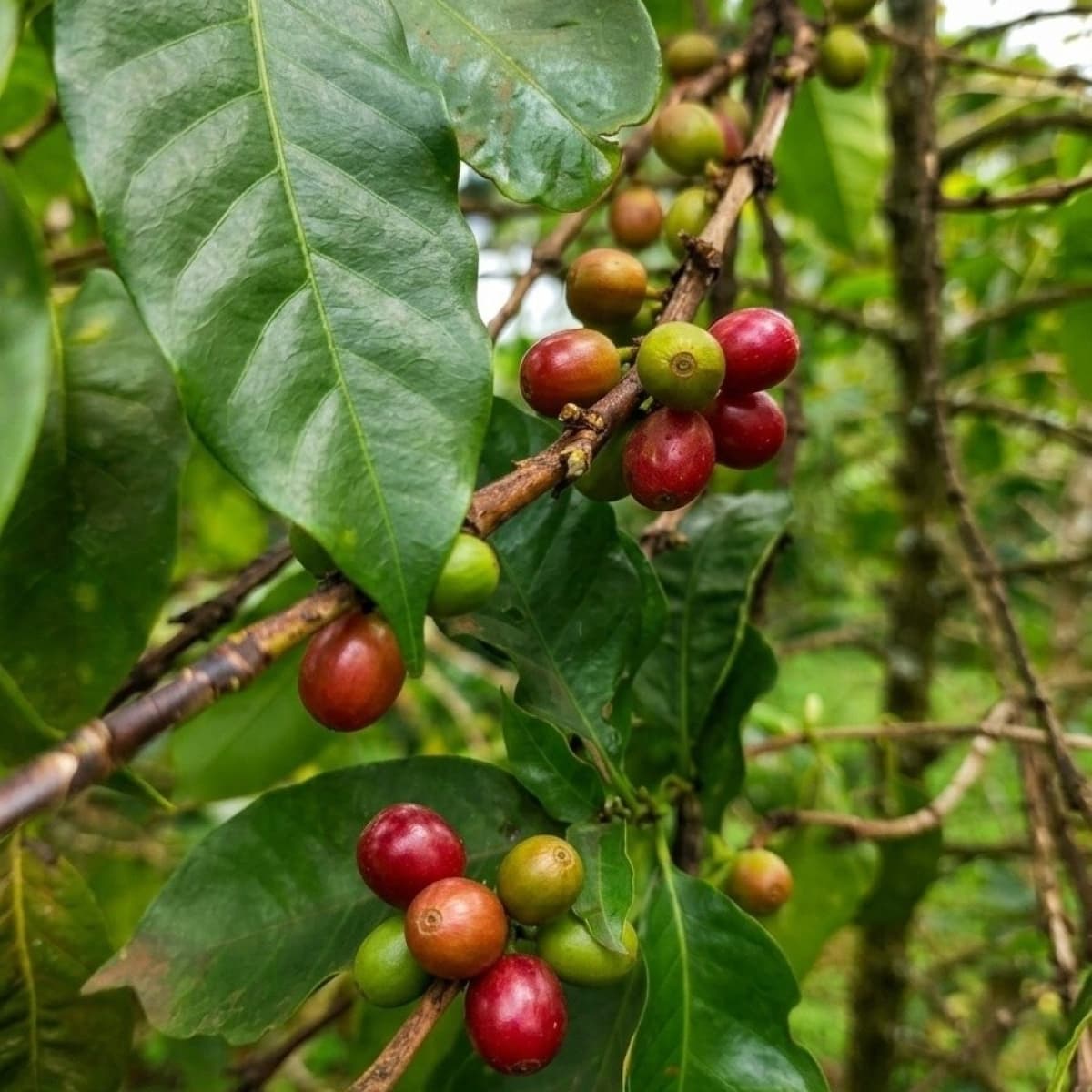
For drinkers, seek light to medium roasts from high-altitude origins such as Ethiopia, Kenya, Colombia, or Panama Geishas, processed with care. Brew with water around 92 to 96 degrees Celsius, fresh grind, and proper ratio. Drink black, as the sweetness shines more without milk. For producers and roasters, focus on cherry ripeness, innovative processing, and precise roasting curves. Sweetness is now a breedable, processable trait. Genetics also play a role. Some people are more sensitive to certain volatiles or have different taste receptor variants. Expectation and context, such as a beautiful pour-over setup or nice music, also amplify perception.
Frequently Asked Questions (FAQ)
1. Why does coffee taste sweet without sugar?
A combination of aroma, brain integration, processing chemistry, and possibly non-sugar molecules creates the perception of sweetness even when free sugars are below detection thresholds.
2. What processing methods increase coffee sweetness?
Anaerobic fermentation, carbonic maceration, honey processing, and extended drying produce fruity esters that enhance perceived sweetness.
3. Does roast level affect sweetness?
Yes. Light to medium roasts preserve sweet precursors, while dark roasts destroy sugars and create bitter compounds that mask sweetness.
4. How does brewing impact perceived sweetness?
Optimal extraction, water temperature (92-96°C), balanced water chemistry, and proper grind size help extract sweet-associated compounds without bitterness.
5. Is sweetness in coffee real or an illusion?
It is an emergent, complex sensory phenomenon created by chemistry, biology, and brain processing. It is not fake but rather a beautiful illusion of harmony.
6. Can sweetness be bred into coffee?
Yes. Researchers are identifying key compounds and genetic markers that could allow selective breeding for sweeter coffee varieties.
Published: May 29, 2026