Source: Original reporting on Turkish coffee culture
Date: May 30, 2026
Turkish Coffee Culture: From Kahvehane to Specialty Bars
- Turkish coffee culture is one of the world’s oldest. UNESCO recognizes it for its brewing rituals and social traditions.
- Key features include very fine grind, brewing in a cezve, and serving with water and a sweet treat.
- Turkish and Lebanese coffee are similar but different. Lebanese coffee often contains cardamom.
- Specialty coffee arrived in Turkey in the early 2010s. Kronotrop was a pioneer in Istanbul.
- At first, consumers disliked lighter roasts. They found them too sour compared to traditional coffee.
- By 2015, a coffee renaissance took hold. Today, specialty coffee coexists with traditional kahvehane.
- Turkey’s coffee story now blends heritage with innovation. The cezve and V60 share the same tables.
Coffee is more than just a drink. In many countries, it has become a ritual. It is a language of social interaction. It also expresses national identity. Some people drink coffee slowly during long conversations. Others grab it on the go in paper cups. Some build entire philosophies around its preparation. Turkey is often the first country that comes to mind for old coffee traditions. However, modern coffee trends have reached Turkey as well. This article looks at the history of Turkish coffee culture. It also examines how specialty coffee is changing it.
A Tradition Rooted in the Ottoman Empire
Turkish coffee culture is among the oldest in the world. Historians agree that coffee arrived in the Ottoman Empire during the sixteenth century. It came from Yemen. During the reign of Sultan Suleiman the Magnificent, coffee became part of court life. By the mid-1550s, the first coffeehouses opened in Istanbul. They were called kahvehane, which means houses of coffee. These places quickly became more than just coffee shops. Men gathered there to play backgammon. They listened to poetry and music. They also discussed current events. Through the Ottoman Empire, coffee spread to Europe in the seventeenth century. It reached Venice, Paris, London, and Vienna. From there, it continued its journey across the world.
Forty Years in One Cup
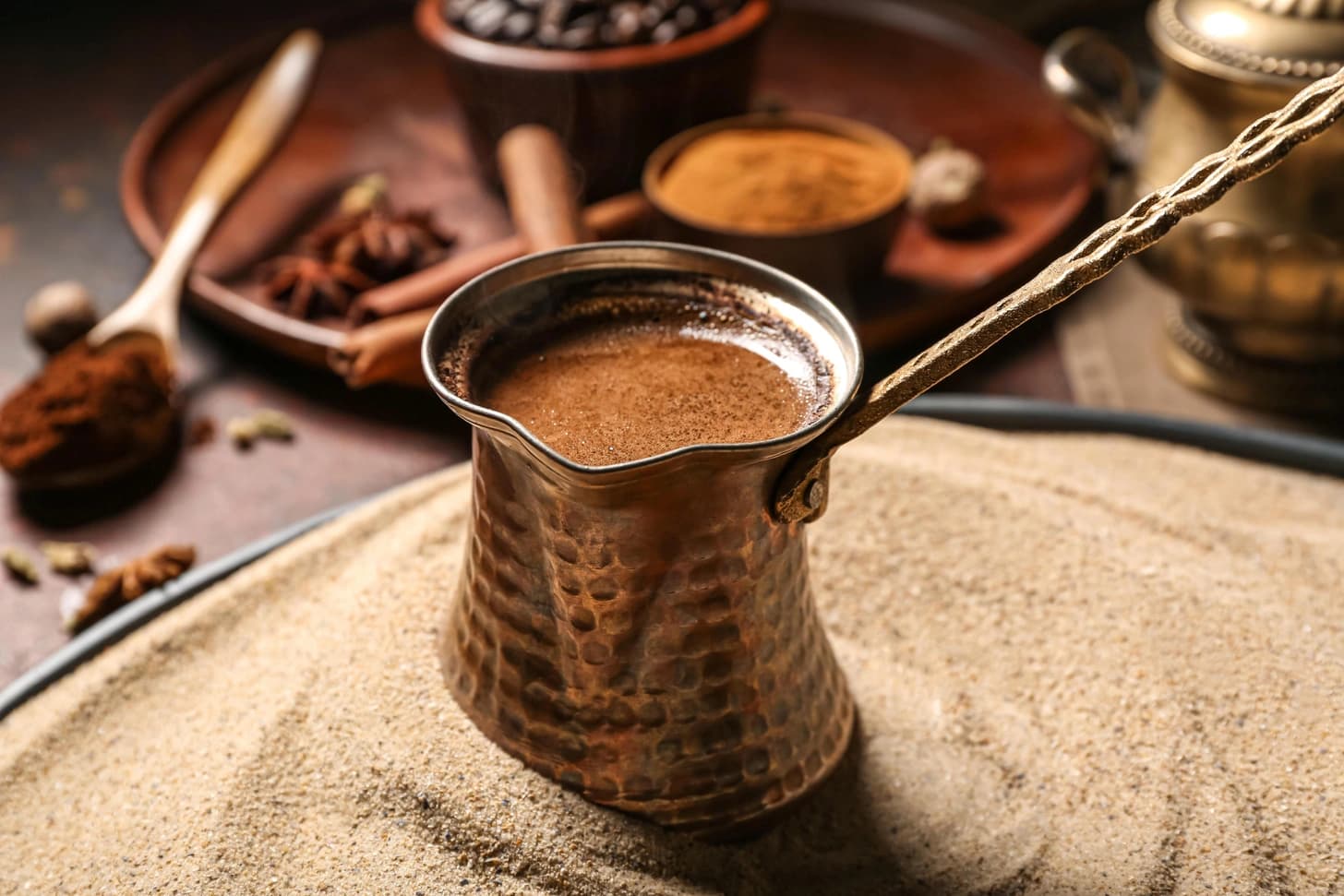
UNESCO recognizes Turkish coffee culture on its Intangible Cultural Heritage list. The recognition includes the rituals of preparation and service. The defining feature of Turkish coffee is its very fine grind. The coffee is ground almost into powder. It is brewed in a cezve, which many know as a Turkish coffee pot. The coffee is not filtered. Therefore, the grounds remain in the cup. This produces a dense, rich, and full-bodied drink.
Turkish coffee is never made in haste. It heats slowly over low heat. Another traditional method uses hot sand. This allows the cezve to heat evenly from all sides. As a result, the extraction is smoother. The flavor profile becomes distinctive. Foam is considered essential. In Turkey, a thick foam layer shows the brewer’s skill. Serving coffee is also part of the ritual. A glass of water and a sweet treat usually accompany the coffee. The sweet treat is often Turkish delight or baklava. The water cleanses the palate before the first sip. The sweetness complements the coffee’s bitterness.
People order Turkish coffee according to sweetness levels. Sade means no sugar. Orta means medium sweetness. Şekerli means sweet. Another tradition is fortune-telling from coffee grounds. After finishing the coffee, the cup is turned upside down onto a saucer. Once the grounds settle, patterns on the cup’s walls are interpreted as symbols. For many Turkish families, this remains a popular social activity. A famous Turkish proverb says: “The memory of a cup of coffee lasts forty years.” In Turkish, it is “Bir kahvenin kırk yıl hatırı vardır.” This emphasizes that sharing coffee creates lasting bonds of friendship and respect.
Turkish Coffee and Its Lebanese Cousin
At first glance, Turkish and Lebanese coffee look almost identical. Both are brewed in a cezve. Neither is filtered. Both belong to the broader Middle Eastern coffee tradition. However, notable differences exist. Turkish coffee is generally denser. Its flavor is more straightforward. Traditional recipes rarely include spices. This allows the coffee’s own characteristics to take center stage. Lebanese coffee, in contrast, is often more aromatic. Cardamom is frequently added, sometimes generously. This creates a warm, spicy aroma with subtle citrus notes.
The cultural context also differs. In Turkey, coffee is closely linked to extended conversations, family gatherings, and coffeehouse culture. In Lebanon, coffee often serves as a symbol of hospitality. It is offered to guests as a matter of etiquette. Despite these differences, coffee represents far more than caffeine in both countries. It remains a slow, thoughtful ritual embedded in everyday life.
The Rise of Specialty Coffee
The twentieth century made coffee widely available. The twenty-first century has, in some ways, made it more exclusive again. This is due to the rise of specialty coffee. The term “specialty coffee” emerged in the 1970s. However, it became a global phenomenon only in recent decades. The Third Wave Coffee movement transformed how people view coffee quality and origin. Specialty coffee emphasizes transparency. Consumers are encouraged to know not only the variety and country of origin. They also learn about the specific region, farm, and altitude. Like wine, coffee is now appreciated for its terroir and flavor complexity.
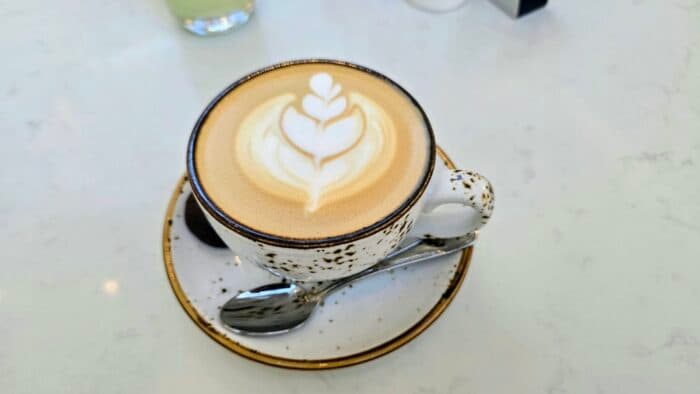
Instead of bitterness alone, drinkers now seek fruity, floral, and tea-like characteristics. An Ethiopian coffee may exhibit jasmine-like notes. A Kenyan coffee may suggest red currant or pomegranate. The specialty movement has also popularized alternative brewing methods. These include V60, AeroPress, Chemex, siphon brewing, and various pour-over techniques. Baristas are seen as skilled professionals. Coffee shops have become destinations for culinary experiences.
Turkey’s Third Wave Coffee Revolution
Turkey has deep-rooted coffee traditions. Therefore, it might seem unlikely for specialty coffee to flourish there. Nevertheless, the Third Wave movement has established a significant presence over the past fifteen years. The first specialty cafés appeared in Istanbul in the early 2010s. Among the pioneers was Kronotrop Coffee Bar, founded in 2012. It introduced many Turkish consumers to alternative brewing methods and modern coffee culture.
Initially, reactions were mixed. Turkish tastes had been shaped by dark, strong coffee for centuries. Lightly roasted beans with bright acidity seemed unfamiliar. Many customers described such coffees as “too sour.” They simply differed from traditional expectations. However, by the middle of the decade, Istanbul was experiencing a genuine coffee renaissance. Independent roasters emerged. Baristas began training according to international standards. Coffee shops evolved into modern social spaces with minimalist design and open brewing stations.
Today, specialty coffee is part of everyday urban life in cities such as Istanbul, Ankara, and Izmir. Modern cafés offer pour-overs, filter coffee, cold brew, and sophisticated espresso blends. They serve these alongside traditional Turkish coffee. Outside the largest cities, specialty coffee remains relatively niche. In tourist destinations such as Antalya, specialty cafés are becoming more common. However, traditional Turkish coffee culture continues to dominate. Even so, new coffee trends are steadily taking root. This creates a unique coexistence between centuries-old traditions and contemporary specialty coffee culture.
Turkey’s coffee story is no longer defined solely by the cezve and the kahvehane. Instead, it reflects an ongoing dialogue between heritage and innovation. Traditional Turkish coffee and modern specialty coffee increasingly share the same table.
Frequently Asked Questions (FAQ)
1. What makes Turkish coffee unique?
Very fine grind, brewing in a cezve, no filtration, slow heating, essential foam, and serving with water and sweets.
2. What is a kahvehane?
A traditional Turkish coffeehouse from the 16th century. It was a social gathering place for men to play games, listen to music, and discuss news.
3. Is Turkish coffee the same as Lebanese coffee?
No. Turkish coffee is denser and without spices. Lebanese coffee often includes cardamom and uses lighter roasts.
4. When did specialty coffee arrive in Turkey?
Early 2010s. Kronotrop Coffee Bar (founded 2012) was a pioneer of the third wave movement in Turkey.
5. How did Turkish consumers react to specialty coffee at first?
Reactions were mixed. Many found lighter roasts too sour compared to traditional dark Turkish coffee.
6. Where can you find specialty coffee in Turkey today?
Major cities like Istanbul, Ankara, and Izmir. Traditional kahvehane culture still dominates in rural areas.
Published: May 30, 2026