Vietnam—Qahwa World
Ward in Son La Province, northern Vietnam, is gradually becoming a center for high-quality Arabica coffee production. Coffee plantations are helping local residents increase their incomes and escape poverty. In 2025, the area is focusing on high-yield varieties, modern technologies, and cooperative farming models.
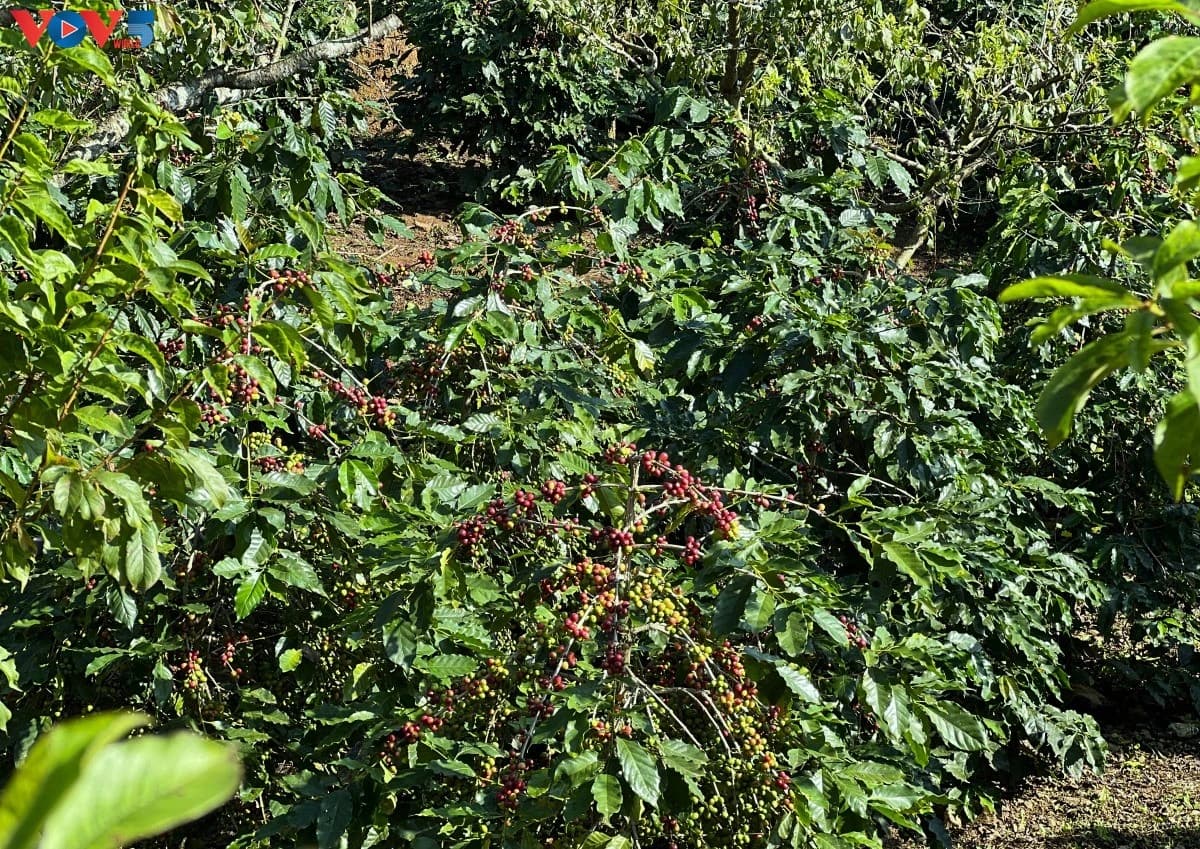
Just a few minutes from the provincial center, the green and productive Arabica coffee plantations of Tiengan Ward thrive. Thanks to an elevation of over 900 meters above sea level and a mild climate, the local coffee is known for its rich aroma and light acidity, making it suitable for specialty coffee production.
As of 2025, coffee plantations in Tiengan cover more than 350 hectares, with over 80% planted with high-yield Arabica. Yields reach 15–18 tons per hectare, 10–12% higher than during 2020–2023, reflecting changes in approaches to rural economic development.
Nguyen Van Tuan, Chairman of the People’s Committee of Tiengan Ward, Son La Province, stated: “Arabica is regarded as a key crop, with a focus on organic production and the renewal of varieties to improve both quality and local incomes.”
Ka Thi Thuong, the head of Tam Quynh Village in Tiengan Ward, was among the first to successfully switch to high-yield Arabica. She said: “The village covers 772 hectares. On average, about 8 tons of Arabica are harvested per hectare. This year’s yield was particularly high: the majority of families earned more than USD 3,800, while some earned over USD 38,000.”
Beyond Thuong’s family, more than 700 households in Tiengan rely on coffee for income, earning 120–150 million VND annually, contributing significantly to the local economy.
Today, Son La Province is the largest center for Arabica coffee in Vietnam, with over 20,000 hectares of plantations, representing nearly 60% of all Arabica-growing areas in the country. The “Son La Arabica” brand is gradually gaining national recognition, from coffee competitions to exports.
Vuong Van Hai, chairman of the provincial tea association, said:
“Son La focuses on producing high-quality specialty coffee and developing the sector according to geographical indications, while strictly adhering to quality standards and environmental requirements.”
Coffee not only generates income but also drives the development of primary and advanced processing, trade, and agrotourism, creating stable jobs for local residents.
Tiengan Ward aims to build a closed-loop “coffee economy” that combines environmental protection with sustainable development. One of the key initiatives in 2025 is the adoption of modern technologies in coffee cultivation: smart drip irrigation systems, the use of organic biofertilizers, and selective harvesting. These measures help achieve more uniform bean quality, higher sugar content, and consistent flavor.
From the first coffee trees planted on hillside slopes to today, Tiengan Ward is steadily moving toward a more prosperous economic future. Coffee beans have become a symbol of renewed thinking and confidence in modern agricultural development. As local farmers continue to tie their future to Arabica, the story of “prosperity from the mountains” is increasingly visible in the lush greenery of Tiengan’s coffee plantations.