DUBAI – QAHWA WORLD
New analysis shows the world’s top five coffee-producing nations are experiencing dozens of additional high-heat days annually — putting global supply, prices, and farmer livelihoods at risk.
The global coffee industry is entering a critical phase as climate change intensifies across the tropical “coffee belt” between the Tropic of Cancer and the Tropic of Capricorn. A recent analysis by Climate Central found that the five largest coffee-producing countries — responsible for 75% of global supply — have experienced an average of 57 additional days per year above 30°C between 2021 and 2025 due to climate change.
Temperatures above this threshold are particularly harmful to coffee trees, especially Arabica, the premium variety that dominates specialty markets.
- Ethiopia: Coffee’s Birthplace Under Growing Pressure
In Ethiopia — widely recognized as the birthplace of coffee — more than four million households depend on coffee as their primary source of income. The sector contributes nearly one-third of the country’s export earnings.
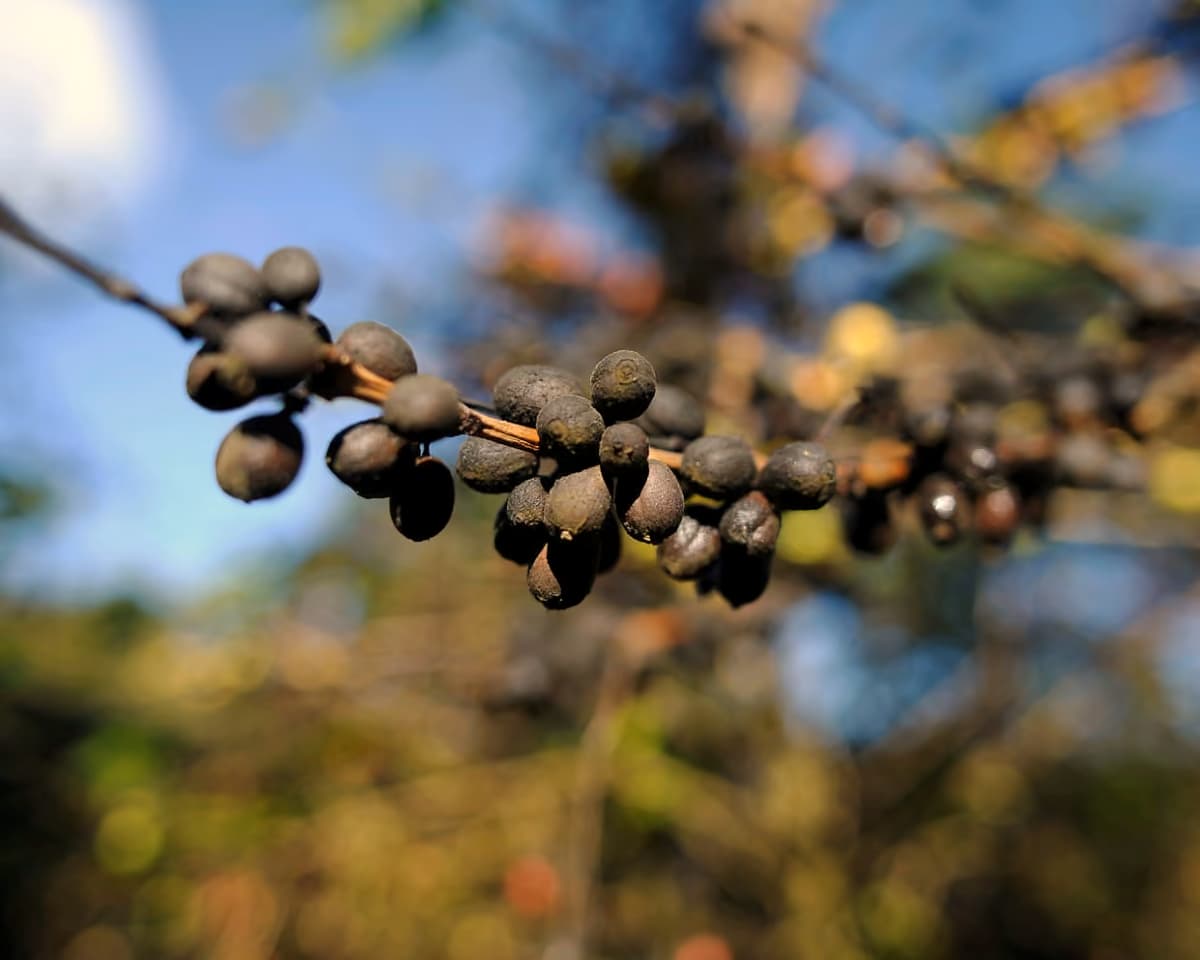
Officials from the Oromia Coffee Farmers Cooperatives Union report that rising heat is already affecting yields and increasing tree vulnerability to disease. Reduced shade cover and stronger direct sunlight are compounding the stress on farms.
- El Salvador and Brazil Among the Hardest Hit
The analysis found that El Salvador recorded 99 additional days of coffee-damaging heat during the 2021–2025 period — the highest among major producers.
Meanwhile, Brazil — the world’s largest coffee producer, accounting for roughly 37% of global output — experienced 70 additional days above 30°C. Given Brazil’s dominant role in global supply, prolonged heat stress raises concerns about market stability and price volatility.
- Why 30°C Is a Critical Threshold
Coffee trees require stable temperature ranges and balanced rainfall patterns. Arabica, in particular, begins to suffer productivity losses when temperatures consistently exceed 30°C. Prolonged heat can result in:
- Lower cherry production
- Reduced bean quality
- Increased pest and disease outbreaks
- Higher production costs
These factors directly affect both yield and cup quality, creating ripple effects throughout the supply chain.
- Record Prices Reflect Climate Strain
Globally, approximately two billion cups of coffee are consumed daily. Any disruption in producing countries quickly impacts international markets.
According to the World Bank, prices for Arabica and Robusta nearly doubled between 2023 and 2025, reaching record highs in February 2025.
The surge reflects tightening supply conditions, climate-driven production challenges, and structural vulnerabilities within the coffee value chain.
- Smallholder Farmers on the Front Line
Smallholder farmers produce between 60% and 80% of the world’s coffee. Yet climate adaptation funding reaching these producers remains limited, leaving many with constrained capacity to respond to rising temperatures.
Without stronger climate adaptation strategies — including shade management, climate-resilient varieties, and financial support — suitable growing areas may shrink or shift to higher elevations, increasing long-term production risks.
- The Future of Coffee at a Crossroads
Coffee is more than a commodity; it is a cultural and economic pillar supporting millions of livelihoods worldwide. As heat extremes intensify across major producing regions, the industry faces structural transformation driven by climate realities.
The central question is no longer whether climate change affects coffee — but how quickly producers, governments, and markets can adapt to safeguard the future of one of the world’s most consumed beverages.