Coffee Drinkers Shift to Whole Beans as Prices Soar
- Consumers are buying less but better coffee as global prices remain elevated.
- Whole bean demand surged 46% year-over-year, according to consumer data.
- Home brewing equipment sales jumped: drip coffee makers up 66%, espresso machines up 50%.
- Lavazza reported strong 2025 revenue of €3.9 billion, up 15.7%.
- Lavazza plans to launch Tablì, a sustainable single-serve system using compressed coffee tablets.
- Nielsen data shows whole bean sales outpacing overall coffee category across UK and Europe.
- Price volatility is expected to persist, with no retail price cuts in sight.
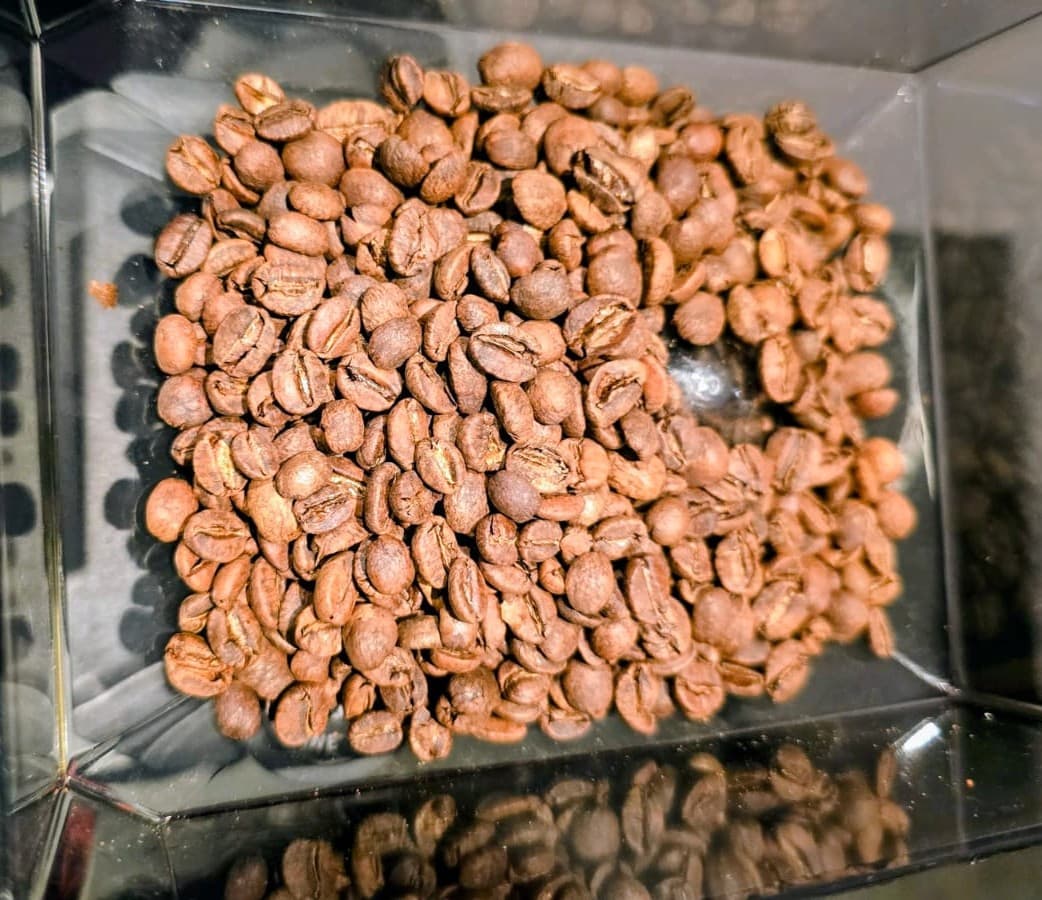
Global coffee prices have remained elevated for four consecutive years. Consumers are adapting by buying less but better. This trend toward whole bean coffee and bean-to-cup machines represents a significant market shift.
Giuseppe Lavazza, Chairman of the Lavazza Group, called it the sector’s most important trend. “People are looking for beans,” he said. “They enjoy replicating the coffee shop experience at home. Maybe they prefer to consume a little less but of better quality.”
The Trend Emerged in 2024
This shift did not appear overnight. Early indicators were visible in 2024, well before the price peaks of 2025 intensified the movement. Pattern, a consumer demand analysis firm, reported whole bean coffee demand surged 46% year-over-year. This growth was accompanied by strong increases in home brewing equipment.
Drip coffee makers rose 66%. Espresso machines increased 50%. Accessories such as bean storage also grew 20%. The report highlighted a broader move toward serious at-home coffee preparation. Whole beans serve as the starting point for better freshness and flavor.
Multiple National Coffee Association surveys showed sustained high levels of at-home coffee consumption. Around 81% of past-day drinkers consumed coffee at home in some periods. Out-of-home consumption recovered post-pandemic, but the at-home habit remained strong. Consumers continued seeking premium experiences and better value.
| Category | Growth |
|---|---|
| Whole bean coffee demand | +46% |
| Drip coffee makers | +66% |
| Espresso machines | +50% |
| Bean storage accessories | +20% |
Current Reality: Price Surge Accelerates Change
Record-high coffee prices in 2025 pushed the trend into the mainstream. Poor harvests in Brazil and Vietnam drove the price surge. Climate change impacts, geopolitical disruptions, and financial speculation also contributed.
Nielsen data for the year to May 2026 shows the shift clearly. In the United Kingdom, whole-bean sales rose 20.3% by volume. This far outpaced the overall at-home coffee category, which grew just 2.8%. Value sales jumped 36.8%, while bean-to-cup machine sales increased 33.5%.
In Europe, France saw 35% growth by value. Italy recorded 33% growth. Germany, Europe’s largest coffee market, saw 31.2% growth. Whole beans have now surpassed traditional roast-and-ground coffee in volume in Germany.
In the United States, the shift was more modest but consistent. Whole-bean unit sales rose 3.2% over 52 weeks to June 2026. Meanwhile, pod sales fell 4.9% and ground coffee declined 3.9%.
| Market | Growth |
|---|---|
| United Kingdom (volume) | +20.3% |
| United Kingdom (value) | +36.8% |
| France (value) | +35.0% |
| Italy (value) | +33.0% |
| Germany (value) | +31.2% |
| United States (unit sales) | +3.2% |
Why Prices Soared
The coffee market has faced four years of upheaval. Adverse weather and weak harvests in Brazil and Vietnam were key factors. Climate change impacts, including El Niño risks, added pressure. Geopolitical disruptions, higher shipping costs, and financial speculation in futures markets also played a role.
In the UK, at-home coffee prices rose another 6.3% in the year to May 2026. Roasters found it harder to manage costs by blending cheaper Robusta with Arabica. Both varieties hit record levels simultaneously.
Lavazza noted that futures prices have eased from 2025 peaks. However, the market remains too volatile for widespread retail price cuts. “We think there is not time to think about a possible cut in prices,” he said. “The possibility of another increase is not totally over.” At least two strong harvests in Brazil and Vietnam will be needed to rebuild global inventories.
Lavazza’s Performance and Strategic Response
Despite industry challenges, Lavazza reported strong 2025 results. Revenue reached €3.9 billion, up 15.7%. EBITDA rose 8.8% to €340 million. The company is innovating to stay ahead.
Lavazza plans to launch Tablì in the UK in September 2026. This is a single-serve system using compressed coffee tablets. It addresses waste and recycling concerns associated with plastic and aluminum pods. “Capsule is over,” Lavazza declared. “This is a new benchmark.”
Broader Implications and Future Outlook
Consumer behavior is evolving. Coffee remains recession-resistant. However, buyers are trading down in volume while trading up in quality and experience. The “less but better” philosophy reflects economic pressure and a desire for premium at-home rituals.
The pandemic-initiated home-brewing boom has become structural. Demand for whole beans rewards freshness, flavor complexity, and better value per cup. Persistent climate risks, cautious buying by roasters, and farmers holding stock in hope of higher prices continue to shape the market.
Volatility is now “the new constant,” according to Lavazza. Opportunities remain in premium home equipment, sustainable packaging innovations, and single-origin and specialty offerings.
“People are looking for beans and they enjoy maybe to replicate at home the experience of the coffee shop. Maybe they prefer to consume a little less but of better quality.”
— Giuseppe Lavazza, Chairman, Lavazza Group
Conclusion
What began as a noticeable trend in 2024 has evolved into a major market shift in 2026. Soaring prices amplified the movement. Consumers are not abandoning coffee. They are redefining how they enjoy it. As Lavazza observed, this represents a “fundamental transformation in terms of supply and demand.”
For roasters, retailers, and consumers alike, the message is clear. Quality, freshness, and thoughtful preparation are winning out in an era of higher costs and greater awareness.