Author: Coffee World |
Date: June 12, 2026
Coffee Prices Jump as Persistent Rain in Brazil Delays the Coffee Harvest
Key Takeaways:
- July arabica rose 2.17% and July robusta rose 3.19% to one‑week highs.
- Moderate to heavy rain is forecast across Brazil’s coffee regions this week and may extend into next week.
- ICE arabica inventories fell to a 6.5‑month low of 402,709 bags.
- Concerns over a “Super El Niño” that could damage Brazil’s 2026/27 coffee crop are supporting prices.
- The USDA FAS forecasts a record Brazil 2026/27 crop of 71.9 million bags, up 14% y/y.
- Vietnam’s coffee exports rose 7.9% in January‑May 2026, adding bearish pressure.
- The ongoing closure of the Strait of Hormuz continues to disrupt supplies and support prices.
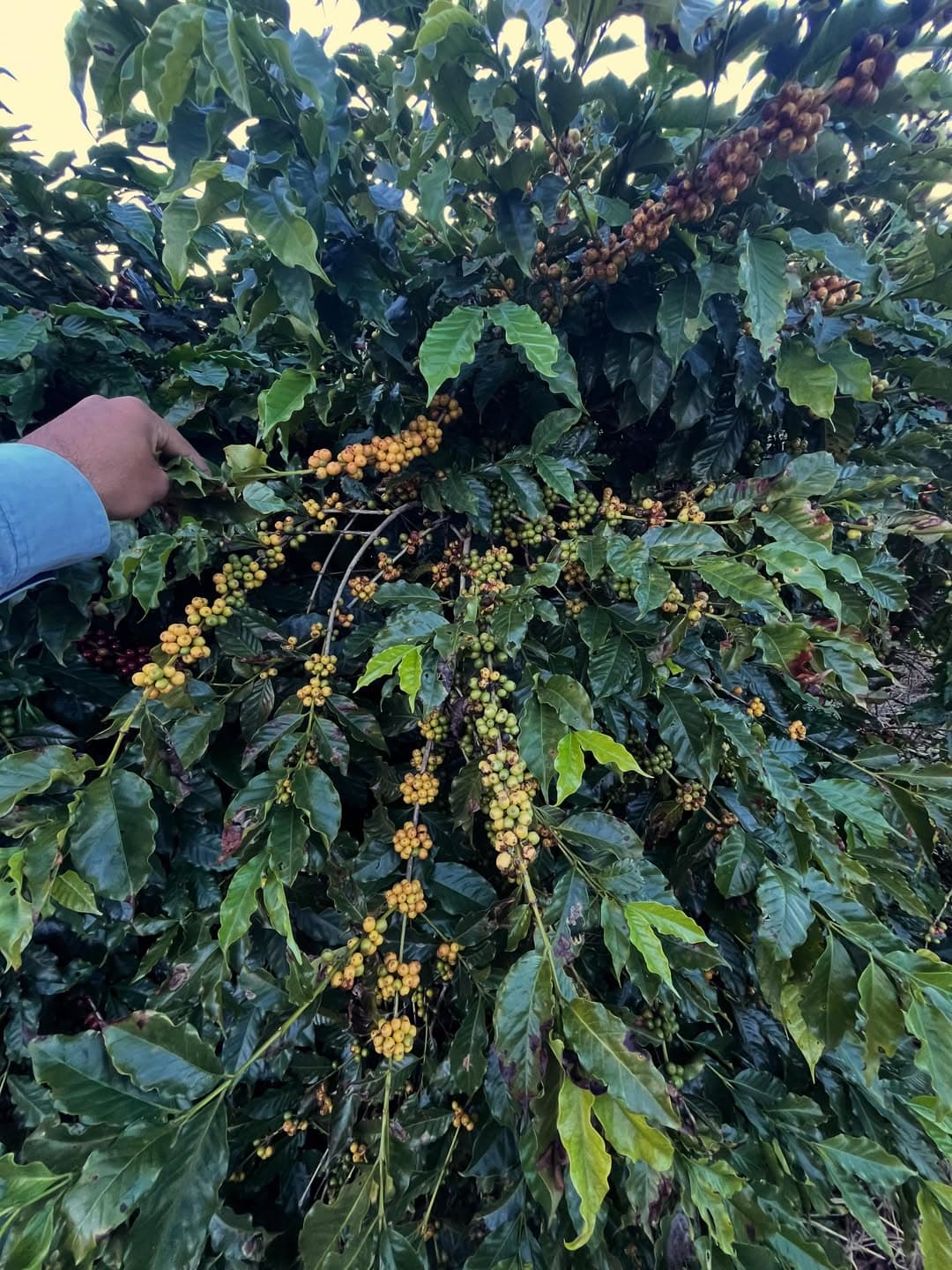
Coffee prices jumped to one‑week highs today amid concerns that persistent rain in Brazil will delay the coffee harvest. July arabica futures rose 2.17%, while July robusta futures gained 3.19%. Forecaster Vaisala said moderate to heavy rainfall is forecast across Brazil’s coffee‑growing regions this week, and the showers could extend into next week.
The rally comes after arabica hit a 19‑month low on Tuesday, driven by expectations of a bumper Brazilian crop. However, the current rains have renewed worries about harvest delays and quality.
Persistent Rain Threatens to Delay Brazil’s Harvest
According to Vaisala, moderate to heavy rain is expected across Brazil’s coffee regions this week, with the potential to continue into next week. This could disrupt harvesting activities that have already begun and affect bean quality. Delayed harvests typically lead to a higher proportion of defective beans and lower overall quality, reducing the supply of high‑grade coffee in the market. As a result, futures prices rose sharply, with short covering amplifying the move.
Exchange Inventories Fall to Multi‑Month Lows
ICE arabica coffee inventories fell to 402,709 bags on Wednesday, a 6.5‑month low. Meanwhile, ICE robusta inventories remained near a two‑year low at 3,713 lots. The decline in inventories supports prices by signaling tight near‑term supplies.
“Super El Niño” Threatens Brazil’s 2026/27 Crop
Concerns are growing that an El Niño weather pattern could hurt Brazil’s coffee crop next year. Coffee trader Commercial said El Niño may delay rains in Brazil during September and October, the period when tree flowering normally occurs, damaging the 2026/27 crop. The US National Oceanic and Atmospheric Administration (NOAA) estimates a 67% probability of a “Super El Niño” this year, which could be the strongest on record. On Wednesday, the Japan Meteorological Agency confirmed that an El Niño pattern has formed across the equatorial Pacific, setting the stage for months of floods, droughts, and temperature fluctuations that could hinder coffee production in Asia and South America.
| Source | Brazil 2026/27 Crop Forecast (million bags) | ||||||||
|---|---|---|---|---|---|---|---|---|---|
| USDA FAS | 71.9 | Coffee Trading Academy | 71.4 | Marex Group | 75.9 | Sucafina | 75.4 | StoneX | 75.3 |
Vietnam Exports and Surplus Forecasts Cap Gains
On the other hand, large surplus expectations still loom. Last Wednesday, the USDA FAS forecast a record Brazil 2026/27 crop of 71.9 million bags, up 14% y/y. Rabobank raised its 2026/27 global arabica surplus estimate to 9.5 million bags from 7.0 million bags previously. Vietnam’s coffee exports rose 7.9% in the first five months of 2026, and its 2025/26 production is projected to climb 6% to 29.4 million bags. These factors limit the upside for prices in the longer term.
| Type | 2025/26 Forecast (million bags) | Year-on-Year Change |
|---|---|---|
| Arabica | 95.52 | -4.7% |
| Robusta | 83.33 | +10.9% |
| Global Total | 178.85 | +2.0% |
Strait of Hormuz Closure Supports Prices
The ongoing closure of the Strait of Hormuz continues to disrupt global coffee supplies, supporting prices. The closure has tightened supplies by raising shipping rates, insurance, fertilizer, and fuel costs, increasing costs for importers and roasters. This geopolitical factor adds another layer of uncertainty to the market.
Frequently Asked Questions About Coffee Price Moves
Q: Why did coffee prices jump today?
A: Because of forecasts for heavy rain in Brazil’s coffee regions, which could delay the harvest and affect quality.
Q: How does El Niño affect coffee prices?
A: El Niño could delay rains in Brazil and damage tree flowering, reducing next year’s crop and supporting higher prices.
Q: How do Vietnam’s exports influence prices?
A: Higher Vietnamese exports increase robusta supply, which tends to cap price gains in the medium term.
Q: What is the current level of exchange inventories?
A: ICE arabica inventories fell to 402,709 bags, a 6.5‑month low; robusta inventories near two‑year lows.
Q: Will prices continue to rise?
A: It depends on weather developments in Brazil, the severity of any El Niño impact, and geopolitical tensions.
The coffee market faces heightened uncertainty. While large surplus expectations remain in the background, current rains, El Niño risks, and Strait of Hormuz disruptions are reshaping the balance. Investors are closely watching weather developments in Brazil and inventory trends.
Prepared and edited by: Coffee World – Based on a Barchart report by Rich Asplund (adapted).
All rights reserved. Republication with attribution permitted.
Publication date: June 12, 2026