Author: Coffee World – Dubai
Date: May 20, 2026
Executive Summary
- Reduced shipping flows through the Strait of Hormuz since March threaten global coffee supply chains.
- Brent crude prices jumped 63% from $72.29/barrel in February to $118.03/barrel in April.
- Urea fertilizer prices rose 47% from $465.45/ton to $684.75/ton over the same period.
- One-quarter to one-third of global fertilizer trade passes through the Strait, with Qatar supplying 14% of the world’s urea.
- Fertilizer accounts for 23% of production costs in Brazil and 26% in Vietnam, hitting smallholders hard.
- The Middle East imports 8.6 million bags of coffee annually (4.5% of global imports), making regional demand vulnerable to instability.
The Strait of Hormuz: A Global Oil Artery Under Pressure
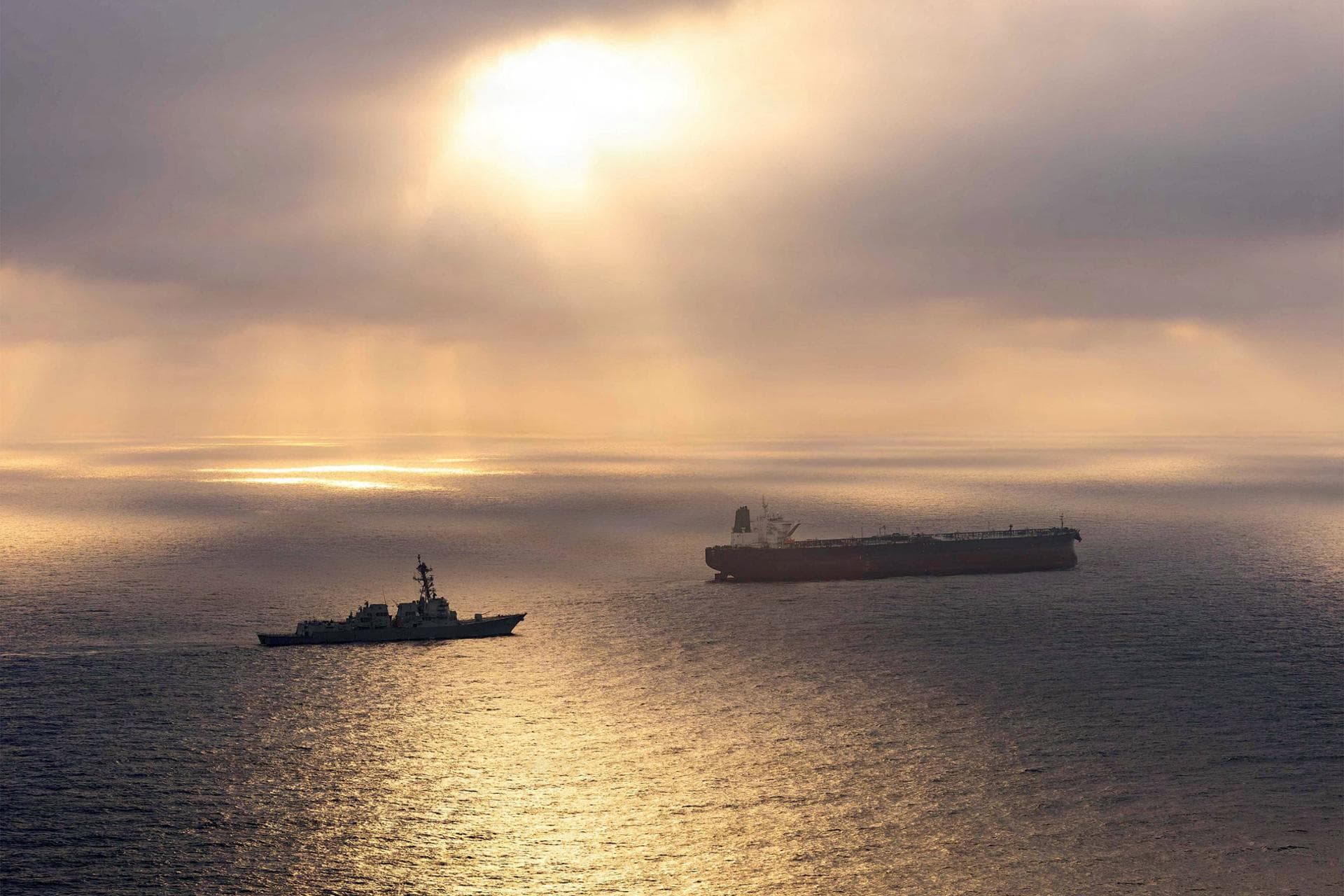
The International Coffee Organization warns that geopolitical tensions in the Middle East could generate significant ripple effects across global commodity markets, and coffee is no exception. The Strait of Hormuz is one of the most critical chokepoints in global trade, with around one-fifth of the world’s oil supply passing through it. Since March, shipping flows through the strait have been reduced, triggering higher oil prices, increased fuel costs, and greater volatility in freight markets.
Brent crude prices increased from $72.29 per barrel on February 27 to a high of $118.03 per barrel on April 29 – a jump of more than 63%. This directly affects coffee transport costs, inland logistics, and fertilizer prices, all central elements of production and export economics.
Fertilizer: The Weak Link in the Chain
Fertilizers are essential for coffee production. Between one-quarter and one-third of the global fertilizer trade – and up to one-third of nitrogen fertilizers (urea) – transits through the Strait of Hormuz. The Gulf region is a major fertilizer producer, with the Qatar Fertiliser Company (QAFCO), considered the world’s largest urea supplier, alone providing 14% of global urea.
As a result, the price of urea fertilizer rose from $465.45 per ton to $684.75 per ton over the same period – a 47% increase. For coffee-producing countries like Brazil and Vietnam, fertilizers represent a large share of production costs: 23% in Brazil and 26% in Vietnam. Smallholders, who operate on thin margins, are the most vulnerable to these increases.
| Indicator | Feb 27, 2026 | Apr 29, 2026 | Increase |
|---|---|---|---|
| Brent Crude (USD/barrel) | 72.29 | 118.03 | 63% |
| Urea Fertilizer (USD/ton) | 465.45 | 684.75 | 47% |
The Middle East: A Strategic Consumer Region Under Pressure
The Middle East has become an increasingly important coffee-consuming region, with strong demand growth across Gulf countries over the past two decades. In 2024, imports to the Middle East reached 8.6 million bags, representing 4.5% of total world imports. Any regional instability may affect import demand, port operations, and re-export hubs such as the United Arab Emirates, which plays a strategic role in regional distribution and specialty coffee trade.
According to the European Coffee Federation, tensions around the Strait of Hormuz, combined with ongoing instability in the Red Sea, are pushing shipping lines to use longer alternative routings via the Cape of Good Hope. This leads to extended transit times, tighter vessel capacity, higher fuel costs, and additional security-related surcharges – especially for Ethiopia, which uses the port of Djibouti near the conflict zone.
Coffee Futures Markets: Extreme Sensitivity
Coffee futures markets are highly sensitive to macroeconomic uncertainty. Heightened geopolitical risk tends to strengthen the US dollar while intensifying speculative movements across commodities. For producing countries, whose local currencies are closely linked to export revenues, exchange-rate volatility can create both opportunities and risks, influencing farmgate prices and export competitiveness.
At this stage, the ICO considers it premature to draw conclusions or project specific market outcomes. However, it identifies several indicators the sector should monitor closely in the coming months: energy prices, freight rates, fertilizer costs, trade insurance premiums, currency volatility, and shifts in demand in key importing markets.
Conclusion: A Global Coffee Sector at Risk
Coffee is a deeply globalized sector, and its resilience depends on stable trade systems and international cooperation. In times of geopolitical uncertainty, transparency, market intelligence, and coordinated dialogue become even more important. The ICO will continue to monitor developments and provide timely analysis to support producing and consuming countries in managing potential risks to the sector.
Frequently Asked Questions (FAQ)
1. How much have oil prices increased since the Strait of Hormuz crisis began?
Brent crude prices rose 63%, from $72.29 per barrel on February 27 to $118.03 per barrel on April 29, 2026.
2. How does the Strait crisis affect fertilizer prices?
Urea fertilizer prices increased 47% over the same period because one-quarter to one-third of global fertilizer trade passes through the strait.
3. What is the fertilizer cost share for Brazil and Vietnam?
Fertilizer accounts for about 23% of production costs in Brazil and 26% in Vietnam, making them highly vulnerable.
4. How much coffee does the Middle East import annually?
The Middle East imported 8.6 million bags in 2024, which is 4.5% of total global coffee imports.
5. What alternative shipping routes are being used?
Ships are taking the longer Cape of Good Hope route, increasing transit times, fuel costs, and congestion in Mediterranean ports.
6. Can the ICO predict precise market outcomes?
No. The ICO says it is premature to draw conclusions but urges monitoring of energy, freight, fertilizer, currency, and demand indicators.
Source: International Coffee Organization (ICO) |
Publication date: May 20, 2026