Loading page...
Please wait...
Browse all articles tagged with "agroforestry"
 News
NewsSource: Official government reports & Daily Coffee News analysis Author: Qahwa World Date: July 8, 2026 Ethiopia Coffee Revenue Tops 3 Billion Ethiopia earned 3.1 billion dollars from coffee exports in a single year. This represents a 719.6% increase compared to 20 years ago. The country ranks third globally and first in Africa for coffee</p>
 News
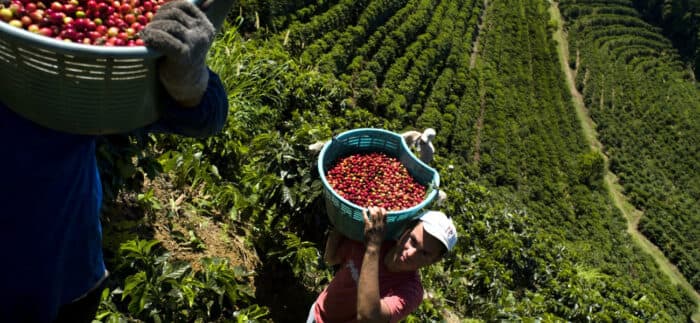
NewsAmsterdam – Qahwa World Leading global coffee companies have launched a landmark industry initiative aimed at transforming how deforestation risks are identified and managed across coffee-producing regions worldwide, through a unified satellite-based mapping system. The Coffee Canopy Partnership brings together major players in the global coffee value chain, including JDE Peet’s, Louis Dreyfus Company, Sucden,</p>
 News
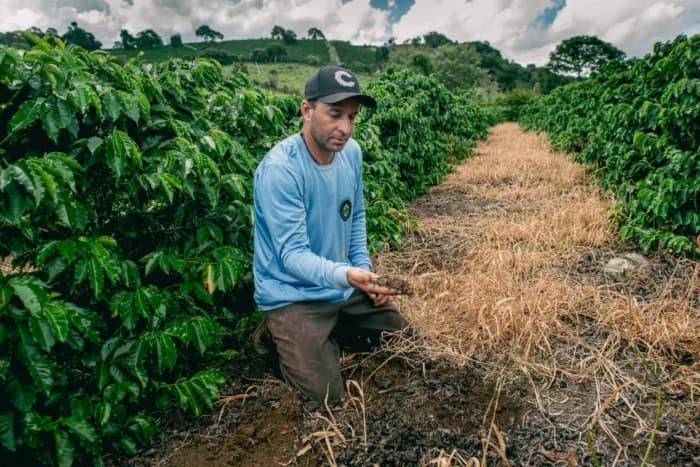
NewsDubai – Qahwa World This analysis is based on reporting first published by Dialogue Earth and written by Kevin Damasio. It has been adapted and republished by Qahwa World. In the hills of Minas Gerais, where much of the world’s Arabica coffee is grown, a quiet transformation is underway. What was once a cycle of</p>
 Reflections
By: Ennio Cantergiani – Académie du Café You may have seen claims that coffee emits 2 kg of CO₂e per kilogram, or figures exceeding 28 kg CO₂e per kilogram. On a per-cup basis, estimates range from around 50 grams to more than 250 grams of CO₂e. So which number is correct? All of them —</p>
 Reflections
The December 2026 EUDR deadline will reshape how African coffee reaches European consumers — and traders in the Gulf are caught in the middle. By Raymond Reuel Wayesu Dubai has become the Middle East’s dominant coffee trading hub, with re-exports valued at nearly $1 billion annually and over 615 licensed traders operating through the DMCC</p>
 Reflections
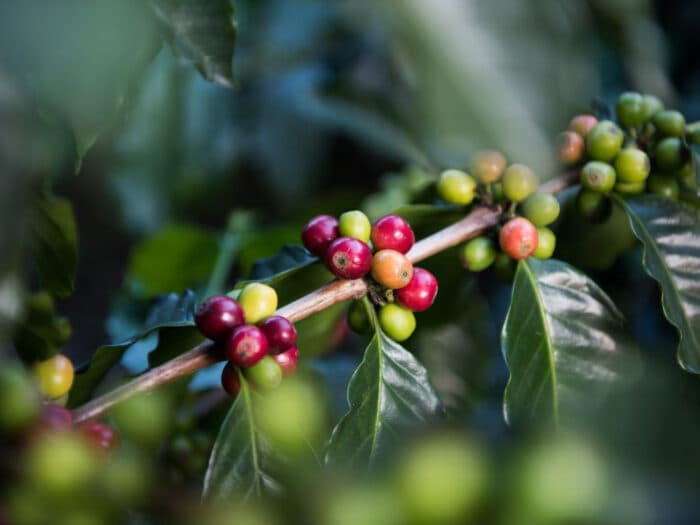
By: Antonella Ilaria Totaro Across major coffee-producing regions such as Brazil, Vietnam, Colombia, Indonesia, Ethiopia, and India, millions of small growers continue to sustain a global industry that serves billions of cups each day. With more than 12 million farms cultivating coffee over more than 10 million hectares, the sector remains deeply tied to the</p>
 News
NewsBrussels – Qahwa Wolrd The European Union’s latest update to its organic regulation—Regulation (EU) 2018/848, which took full effect on October 1, 2025—marks a pivotal moment for the global coffee sector. The law replaces the long-standing “equivalency” model for non-EU organic imports, introducing a unified standard that all producers must now meet to access the</p>
 News
NewsDubai, August 19, 2025 – (Qahwa World) – A landmark study has revealed that carbon markets are overlooking the most effective climate solution in coffee farming: protecting mature shade-grown coffee systems. The research, led by the Smithsonian’s National Zoo and Conservation Biology Institute (NZCBI) and Smithsonian Tropical Research Institute (STRI), and published in Communications Earth</p>
