How “Birth Control” for Pests is Saving the Global Brew
VIENNA – Qahwa World
In a landmark announcement, the International Atomic Energy Agency (IAEA) and the Food and Agriculture Organization of the United Nations (FAO) have confirmed that nuclear science is now the primary shield protecting the world’s multibillion-dollar coffee industry from its most destructive adversary: the Mediterranean fruit fly.
The Invisible Threat to Your Morning Cup
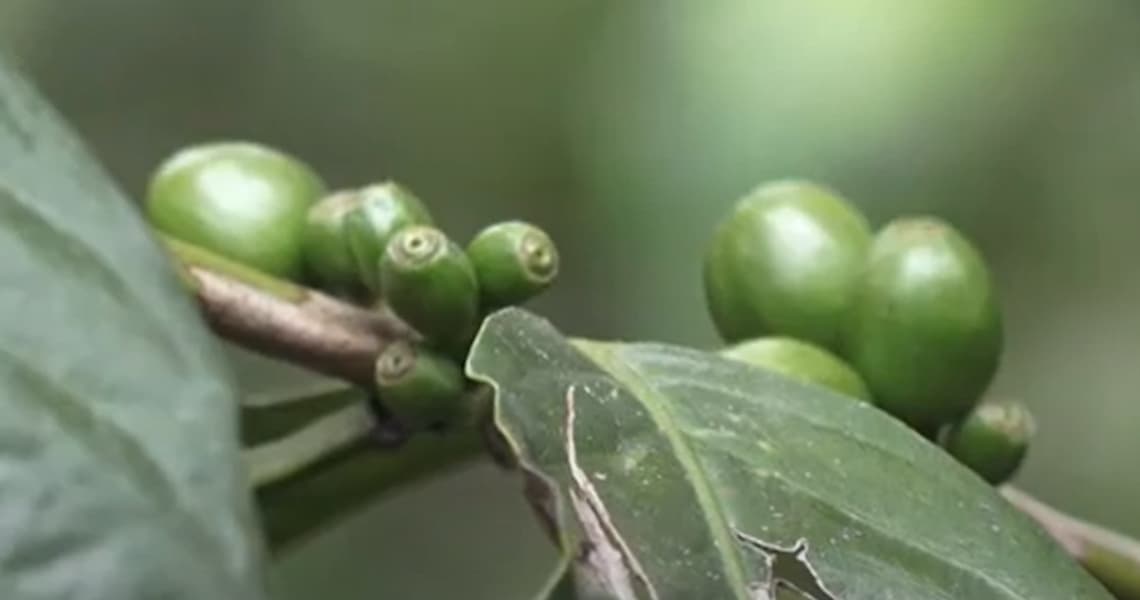
While coffee is one of the most beloved beverages globally, it is also a favorite target for the Mediterranean fruit fly (Ceratitis capitata). The biological damage is devastatingly precise. The female fly deposits eggs into the coffee berries, and once the larvae hatch, they feed on the internal pulp.
New technical data released by the IAEA and FAO clarifies that this process does more than just damage the fruit; the larvae “suck out essential nutrients,” which directly stunts the development of the coffee bean. This prevented beans from reaching their natural size and density, leading to lighter, “hollow” harvests that lacked the physical properties required for high-quality roasting.
The SIT Breakthrough: “Birth Control” for Insects
To combat this without the use of toxic chemical pesticides, the IAEA, in cooperation with the FAO, has deployed the Sterile Insect Technique (SIT). This environmentally friendly “insect birth control” method works through a precise four-step cycle:
- Mass Rearing: Millions of male flies are raised in specialized bio-factories.
- Irradiation: The insects are exposed to controlled radiation (gamma or X-rays), which sterilizes them without affecting their health or competitive drive.
- Aerial Release: These sterile males are released over coffee plantations.
- Population Collapse: When they mate with wild females, no offspring are produced.
From “Wormy” Fruit to Award-Winning Quality
The results from the field provide a dramatic “before and after” for the coffee industry. Farmers who once struggled with harvests filled with “worms” (larvae) are now reporting a transformation in their crops.
Increased Weight & Density: Because the beans are no longer being drained of nutrients, they are growing to their full biological potential.
Superior “Cup Quality”: The SIT has saved the sensory profile of the bean.
Market Expansion: These high-quality beans are now qualifying for international specialty markets.
A Global Success Story
From the Moscamed Program in Mexico and Guatemala to emerging projects in Africa and the Asia-Pacific, joint IAEA–FAO initiatives are ensuring that coffee remains sustainable and profitable.
View this post on Instagram