Dubai – Qahwa World
The Guardian published a lengthy report titled “‘Everyone feels like they are being scammed’: can Central America’s small coffee growers survive as global prices fall?”, which discussed the growing pressures facing coffee farmers in parts of Central America, particularly in El Salvador and Honduras. The report explores how climate instability, rising production costs, labour shortages and volatile global markets are reshaping coffee farming across the region.
According to the report, many small producers who have depended on coffee cultivation for generations are now confronting increasingly unpredictable conditions. Weather patterns that once followed a familiar seasonal rhythm have become less reliable, making it difficult for farmers to plan their harvest cycles and manage their farms effectively.
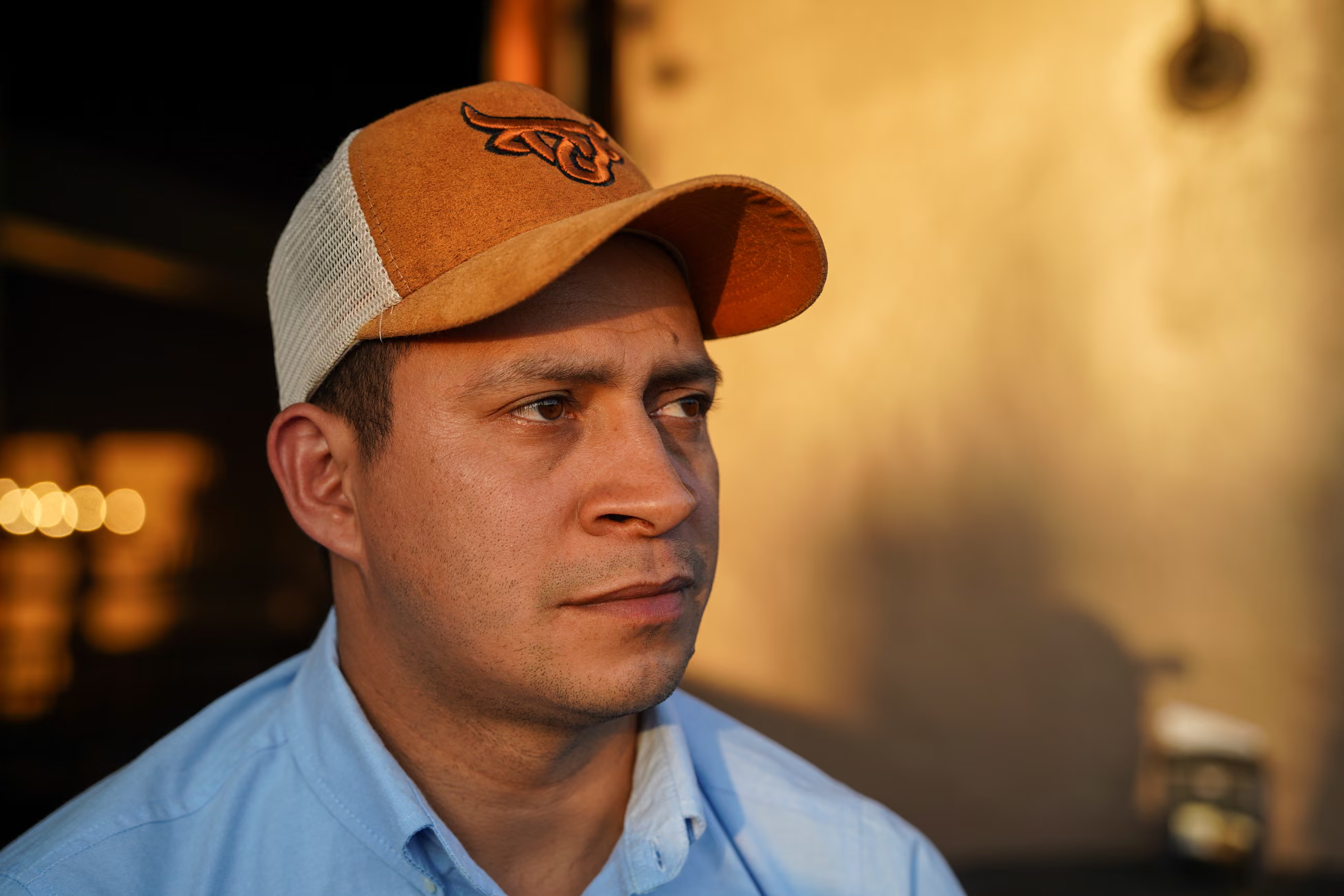
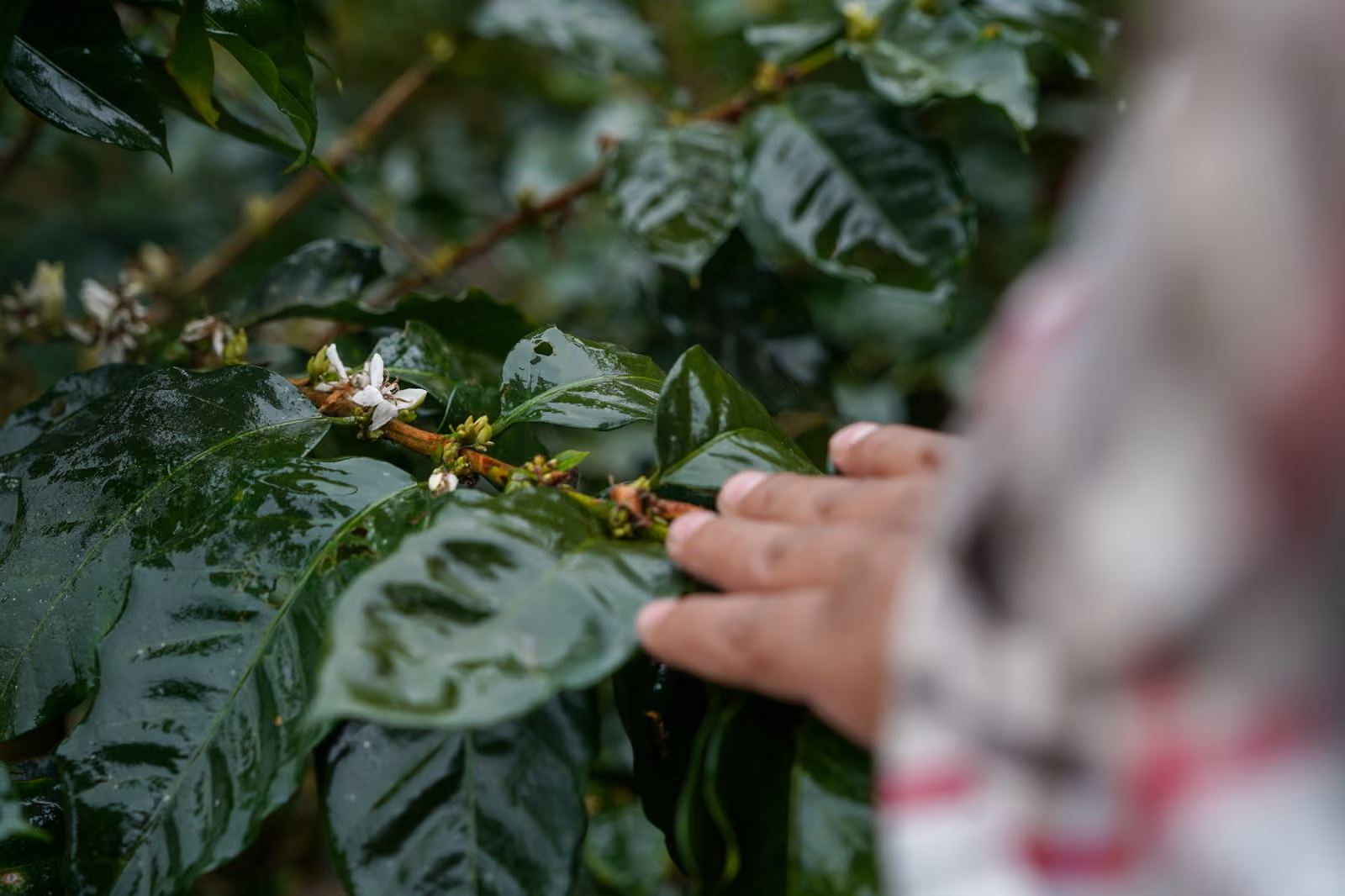
The report begins on a hillside in western El Salvador, where coffee farmer Oscar Leiva observes rainfall arriving in December, a month that traditionally marked the beginning of the dry season. During the latest harvest cycle, flowering occurred early and then stalled, followed by a period of intense heat. As a result, the remaining crop is uneven in quality and more expensive to produce than previous harvests.
You may like: Global Study Maps the “Carbon Footprint” of Latin American Coffee
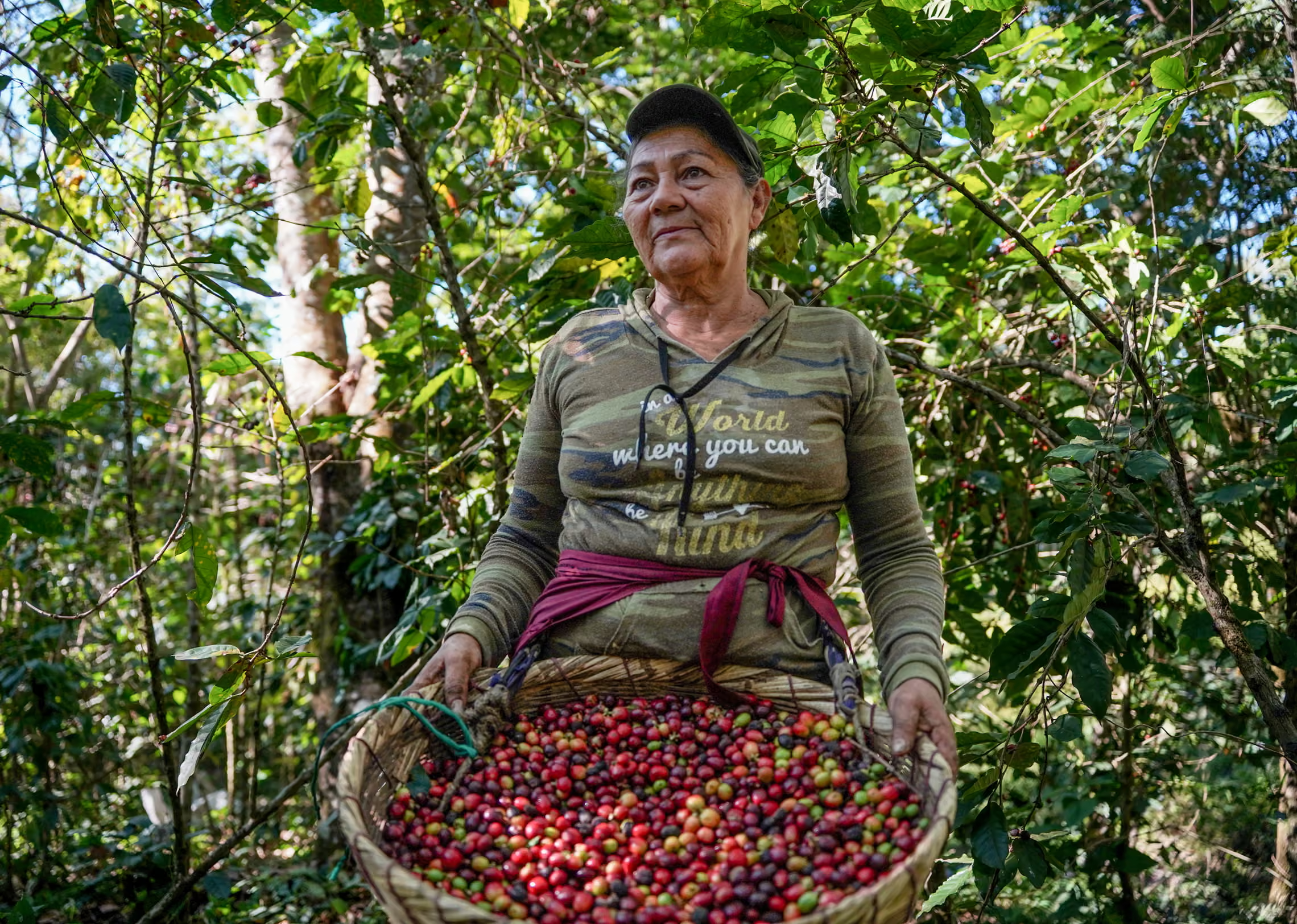
For Leiva’s family, coffee is not simply a crop but a long-standing way of life. His mother, Esperanza Marinero, remembers when the rainy season arrived on time and harvests could be planned months ahead. Today, that certainty has disappeared. Farmers must make decisions about pruning, fertilising and hiring workers without reliable seasonal patterns, increasing the financial risks they face.
Coffee has historically played a major role in El Salvador’s economy. In the mid-1970s the country ranked among the world’s leading coffee producers, with harvests exceeding five million quintales, a unit equal to about 46 kilograms. Today, national production struggles to reach one million quintales.
The report notes that this decline reflects more than market cycles. Decades of land restructuring, climate shocks and rural migration have weakened the coffee sector and altered the agricultural landscape. Increasing climate volatility has disrupted flowering cycles, reduced yields and affected the quality of coffee, particularly for small farmers who lack financial reserves to absorb repeated losses.
Read also: Shock in the Coffee Market: Colombia’s Production Drops 36%
Cecibel Romero, a researcher focusing on coffee production, explained that the sector is experiencing overlapping challenges that extend beyond climate change alone. Rising temperatures, irregular rainfall and plant diseases such as coffee rust have exposed long-standing vulnerabilities in traditional production systems.
Romero noted that past production models often focused on maximising yields and implementing short-term solutions rather than building long-term resilience. After severe rust outbreaks in the early 2010s, many producers replanted their farms with varieties believed to be resistant. However, some of these varieties produced lower-quality beans or did not maintain their resistance over time.
As coffee’s economic importance declined in El Salvador, public support systems for the sector were also reduced. Agricultural services weakened, renovation programmes became fragmented and access to affordable credit narrowed. As a result, many producers have been left to cope with climate risks, disease outbreaks and market volatility largely on their own.
Read also:Coffee Markets Rise Amid Middle East Shipping Disruptions
Similar pressures are being felt in Honduras, the largest coffee producer in Central America. Although overall production remains higher than in El Salvador, farmers there are also dealing with rising costs and climate-related challenges.
Juan Luis Hernández, a forest engineer who has worked on environmental projects connected to the Honduran Coffee Institute, said adapting to changing conditions requires investment, time and labour. Measures such as managing shade trees, restoring soil health, protecting water sources and monitoring plant diseases all require resources that are not equally available to all farmers.
In the Honduran region of Copán, farmer Gerardo Vásquez manages an eight-hectare family farm while also advising other growers. Trained through the Honduran Coffee Institute, he works on soil analysis, selecting coffee varieties and developing agroforestry systems.
Even with this technical background, Vásquez says the economic reality of coffee farming remains difficult. Establishing one manzana of coffee — roughly 0.7 hectares — now costs about 200,000 lempiras over a period of three years.
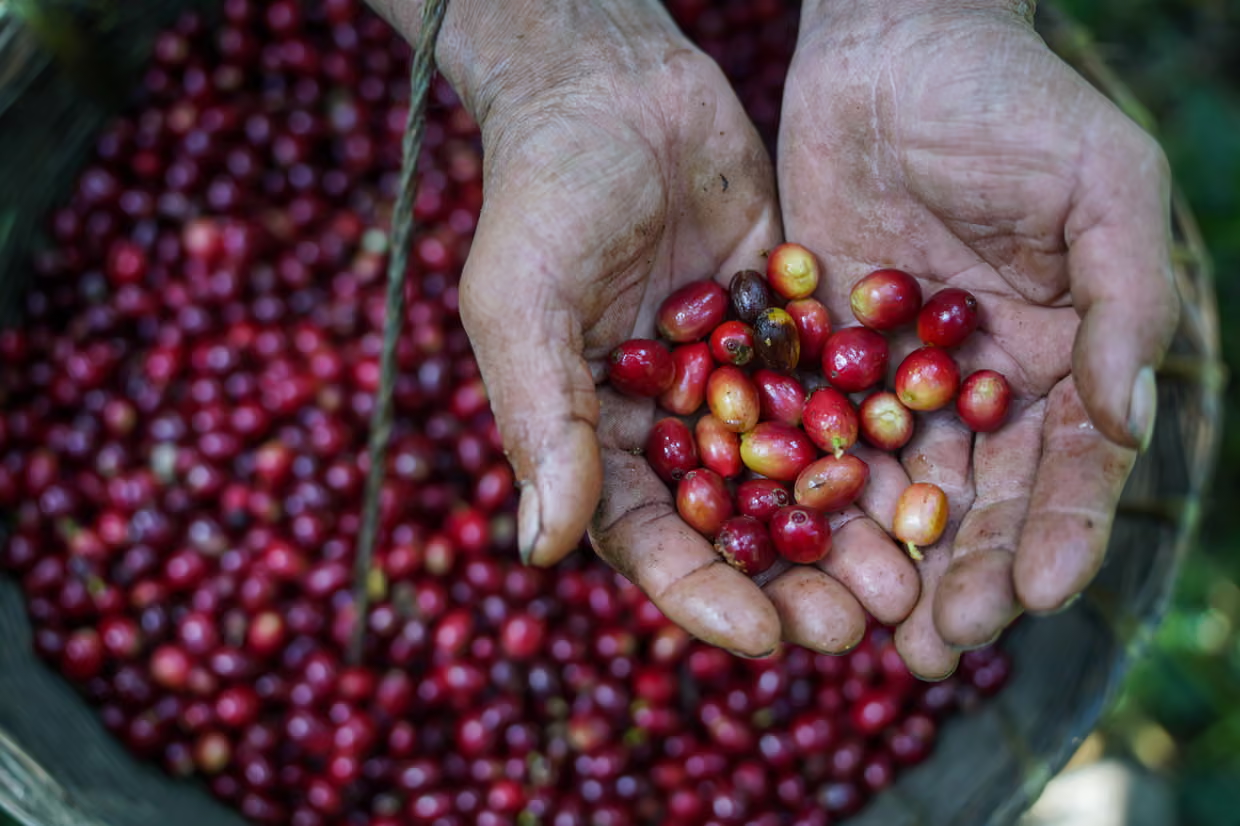
Production costs have risen significantly in recent years. Fertiliser prices increased sharply after the pandemic, while labour shortages have pushed wages for harvest workers higher. When harvesting, processing and transport are included, farmers may spend more than 3,000 lempiras to produce a single quintal of parchment coffee.
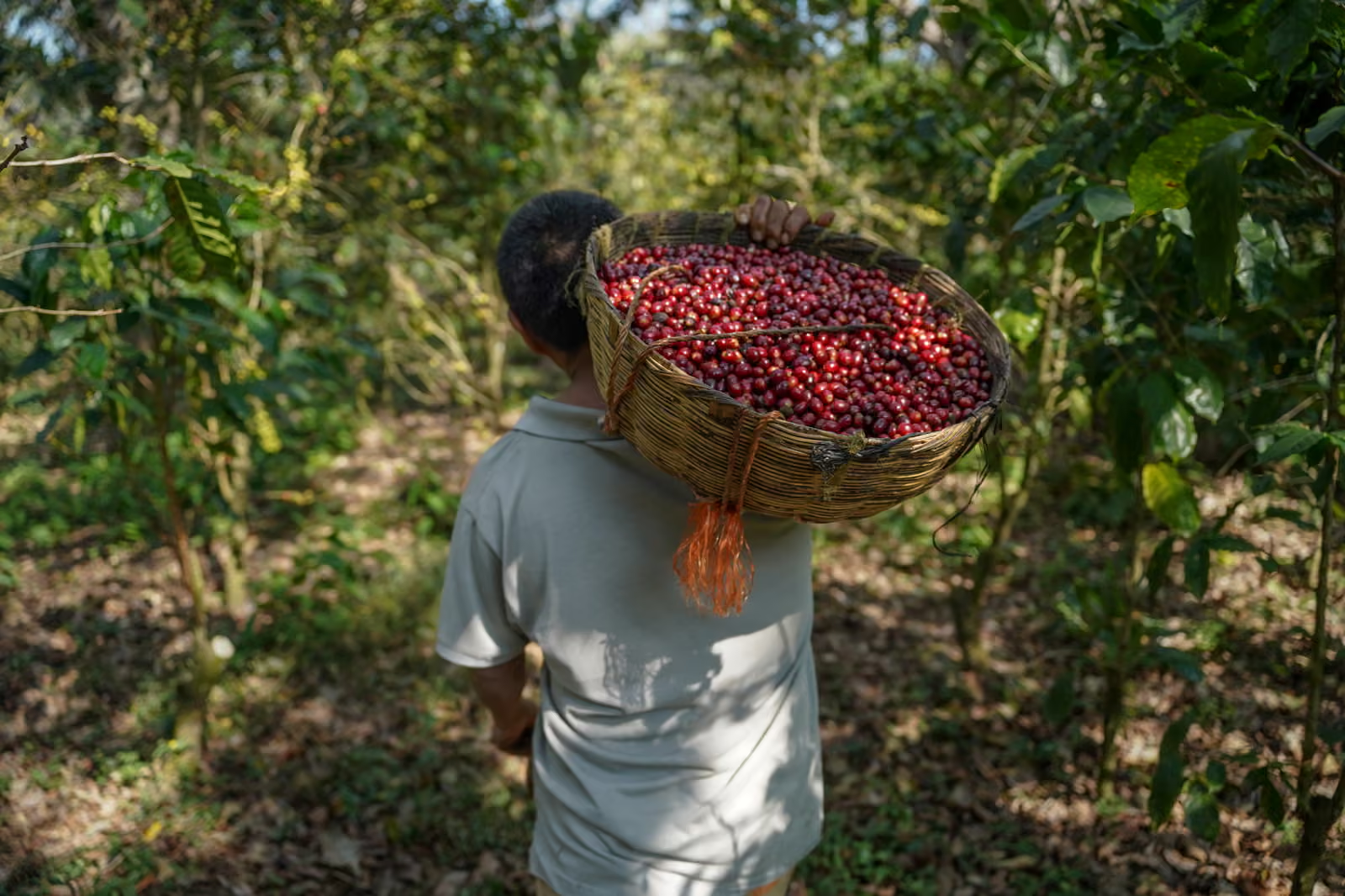
Weather conditions can further complicate the process. Continuous rainfall makes drying coffee difficult, forcing some farmers to sell freshly picked cherries directly from the field at lower prices. Others depend on intermediaries who provide advance payments, which can limit farmers’ ability to negotiate prices later.
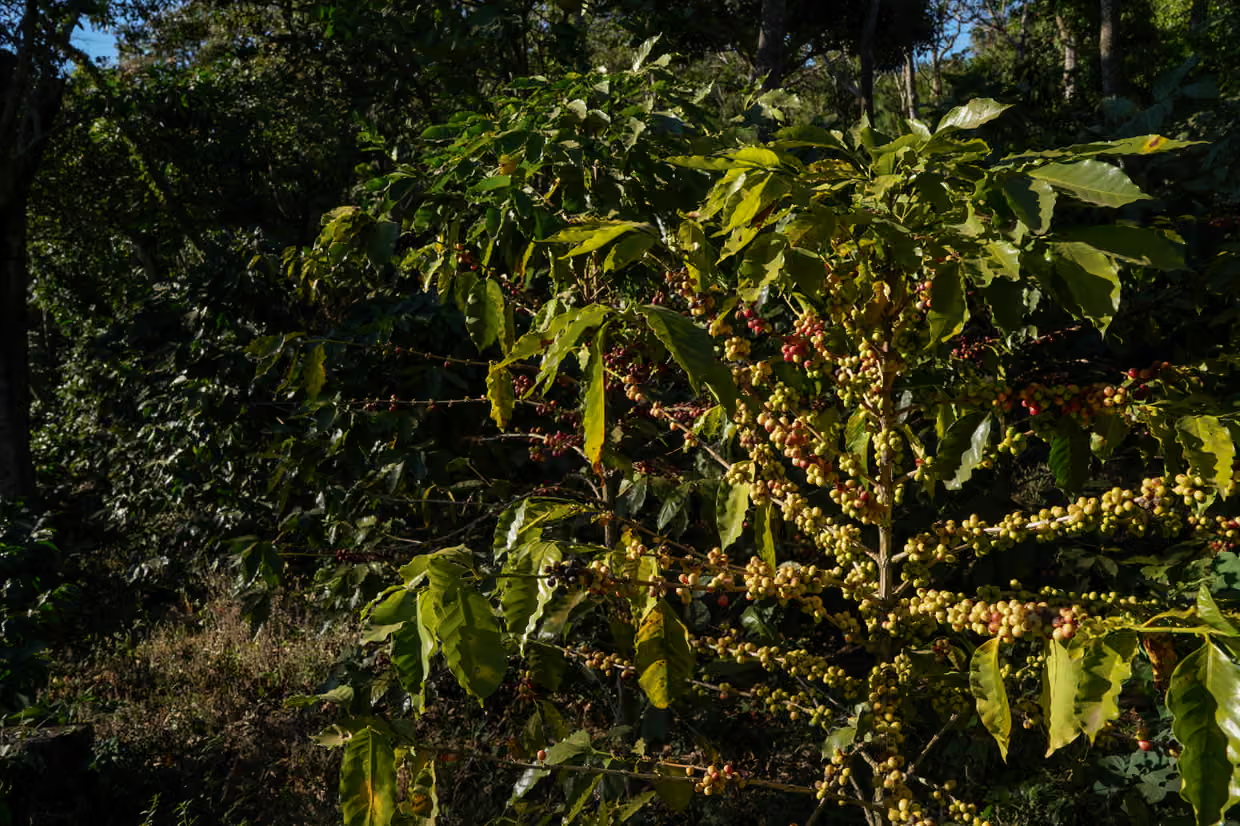
Climate change is also affecting where coffee can be grown successfully. Farms located below 1,000 metres above sea level are becoming more vulnerable to heat stress, pests and diseases. As a result, coffee cultivation has gradually moved to higher elevations over time.
However, relocating production to higher ground is not feasible for many smallholders, who may not have access to suitable land or the financial means to make such changes.
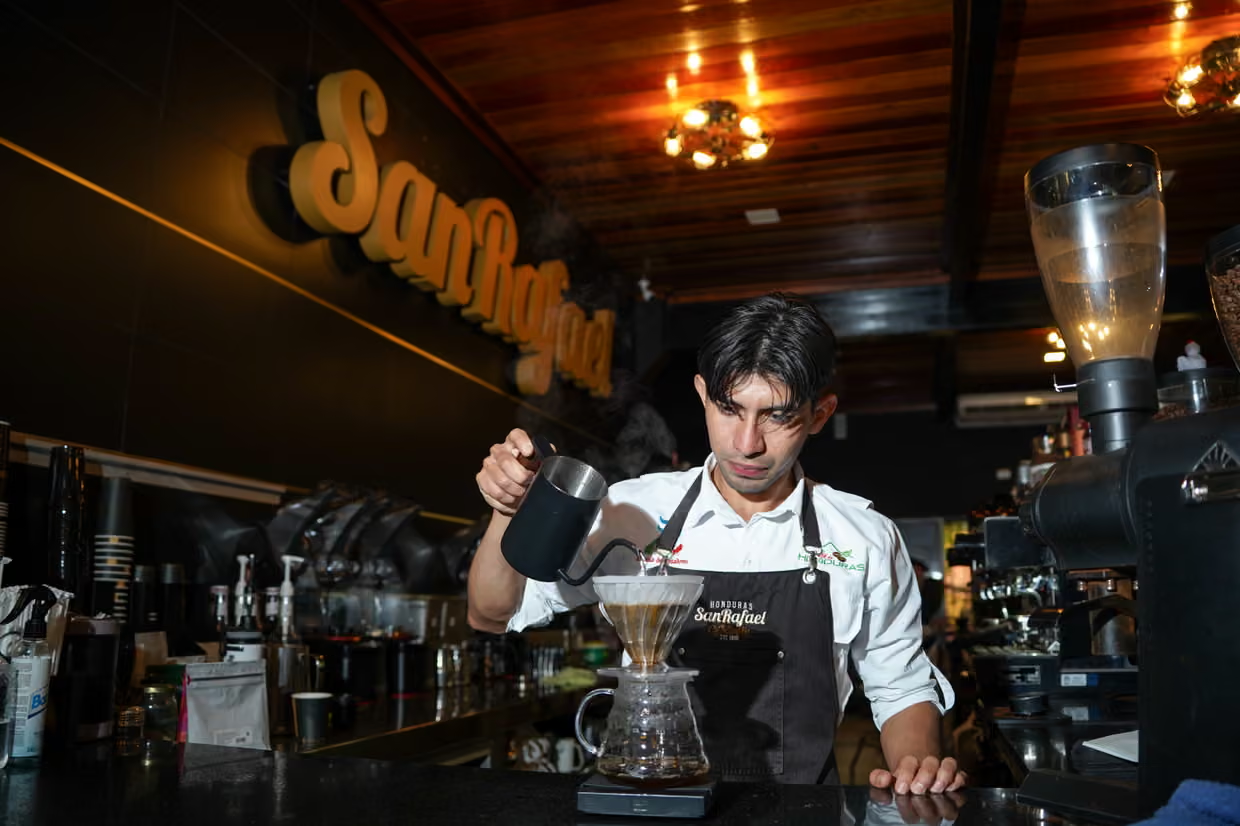
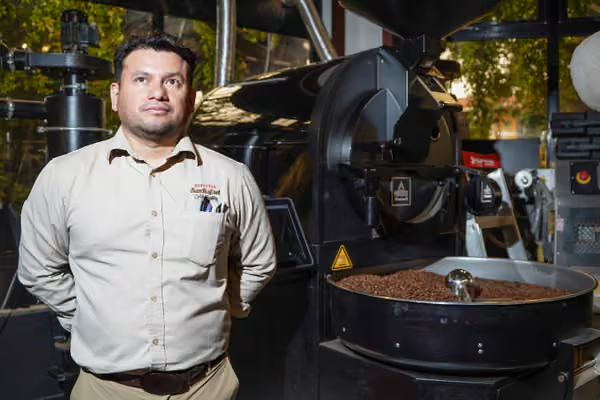
At Café San Rafael in Honduras, co-owner Carlos Guerra explained that the flowering cycle of coffee plants has become increasingly irregular. What once occurred within a predictable timeframe now happens in stages, extending the harvest period and raising labour costs.
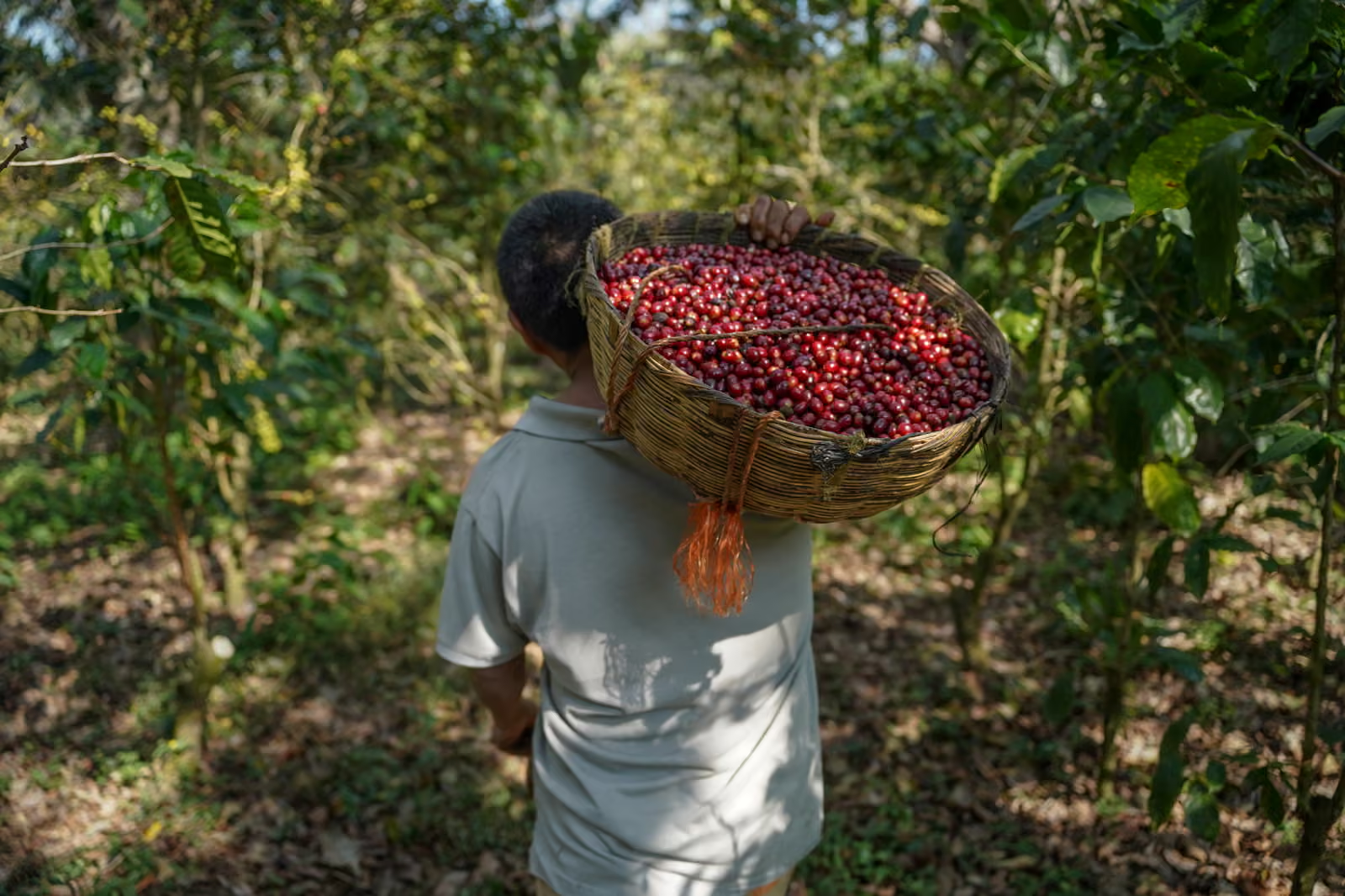
Labour itself has become one of the most pressing challenges for producers. Coffee harvesting requires careful selection of ripe cherries, a process that cannot easily be mechanised. Younger workers are increasingly leaving rural areas, making it harder for farms to recruit enough labour during harvest season.
Farmers are experimenting with various adaptation strategies, including planting additional shade trees and improving soil management practices. While these measures can help protect coffee plants from heat stress, they may also reduce yields, creating a difficult balance between environmental resilience and economic viability.
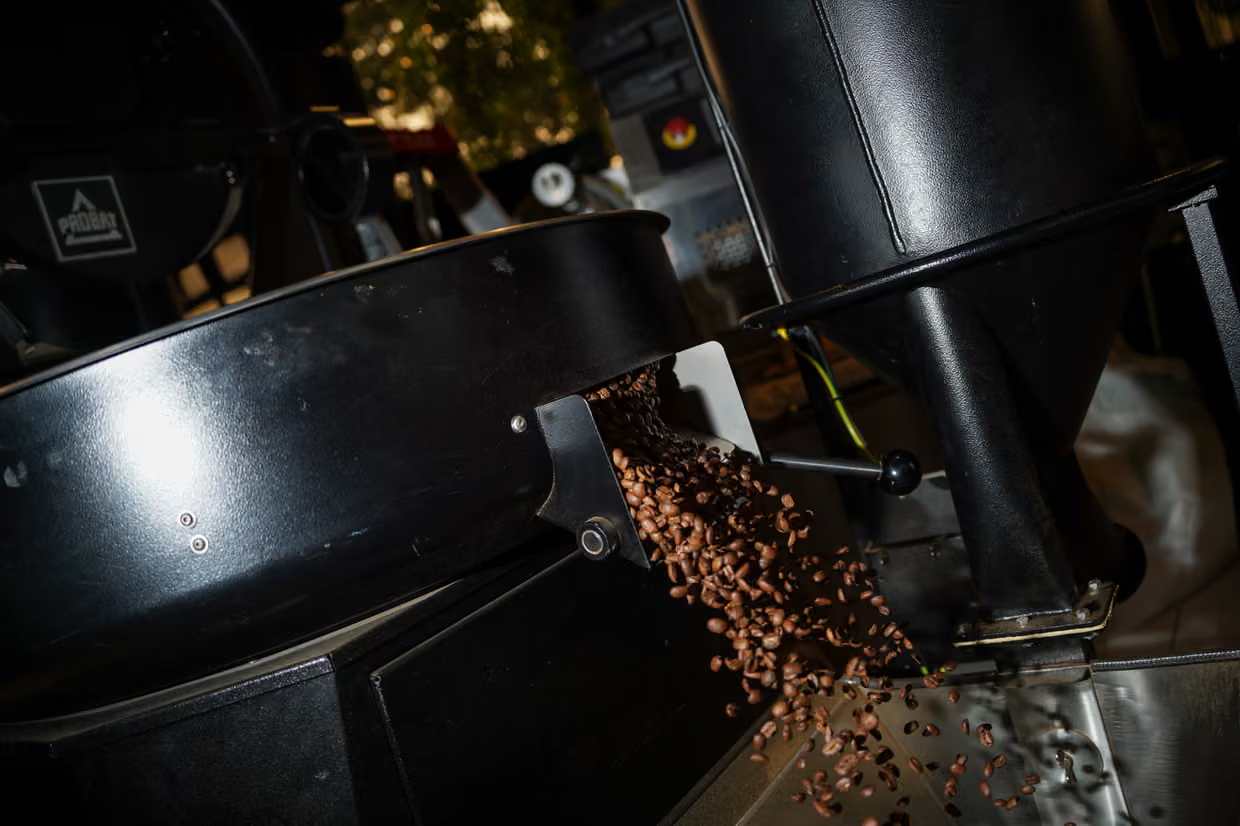
Some farms attempt to offset these challenges by focusing on higher-value markets. At Café San Rafael, careful management of fermentation and drying processes helps maintain coffee quality even when harvest conditions are uneven. Operating a roastery also allows the business to manage fluctuations in supply.
However, many small farmers do not have access to such opportunities. Entering specialty coffee markets often requires certification, processing infrastructure and export connections that remain beyond the reach of numerous producers.
Emeric Seguin, director of sourcing and sustainability at a specialty coffee company working with producers in Central America, told the newspaper that mistrust is widespread within the supply chain. Farmers often feel undervalued, while buyers worry about inconsistent supply, leaving cooperatives caught between both sides.
Several initiatives are attempting to promote more resilient farming practices. In El Salvador, a coffee production school known as Renacer encourages ecological approaches that focus on soil health, shade restoration and long-term stability rather than maximising short-term yields.
Agronomist Sigfredo Corado explained that the goal is to reduce extreme fluctuations in harvests. While farms may not achieve exceptionally high yields in strong years, they are also less likely to experience severe drops in production.
Despite these efforts, the report notes that global market conditions could add further pressure. Rabobank has predicted that increasing coffee surpluses in the coming seasons could push international prices lower, potentially making coffee production less viable for smallholders.
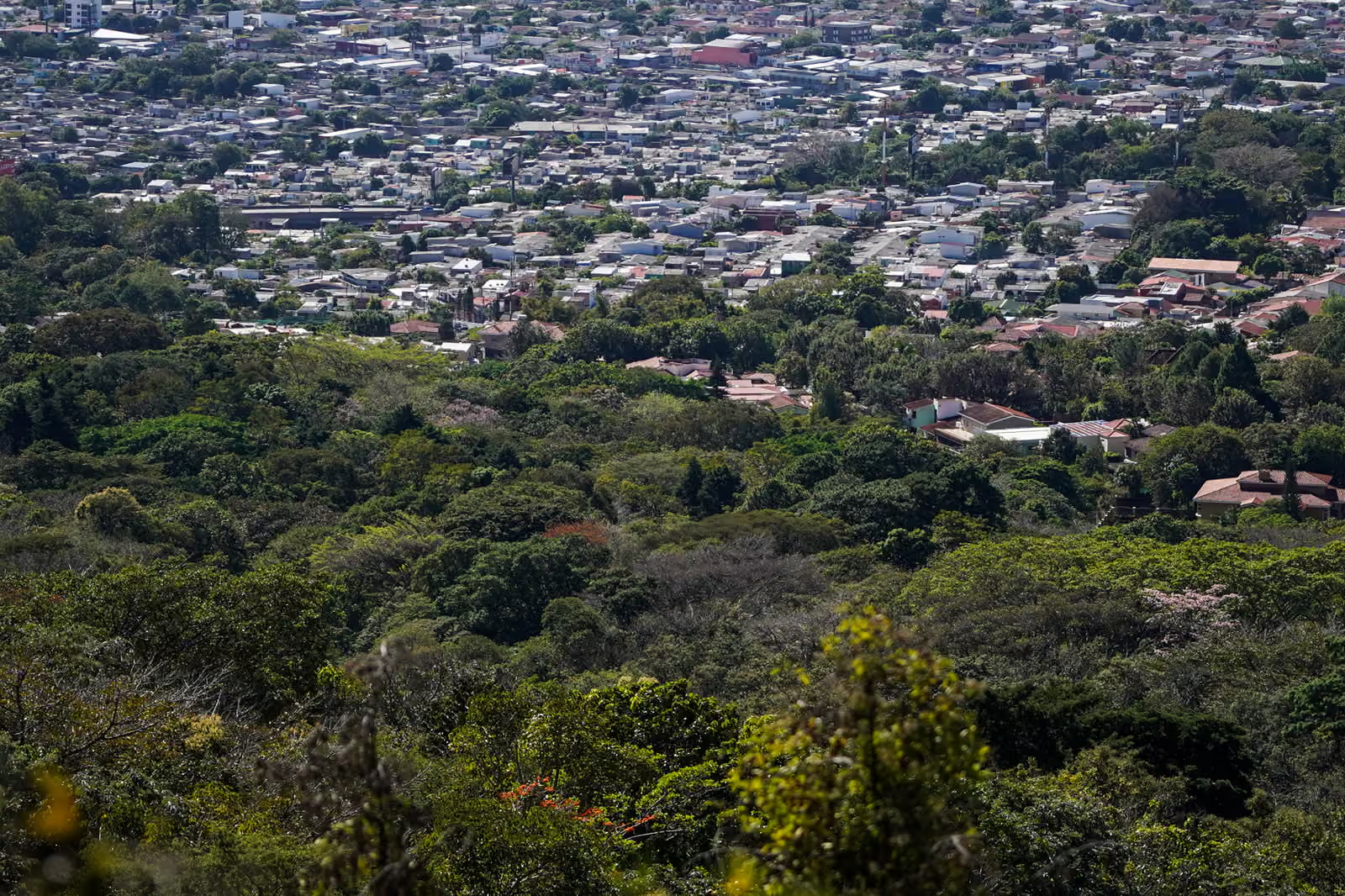
As profitability declines, some land previously used for shaded coffee is being converted to other crops or sold for development, gradually altering landscapes that have long been associated with coffee cultivation.
For farmers such as Oscar Leiva, planning for the next season remains unavoidable despite the uncertainty. Each harvest now requires decisions to be made without the reliable patterns that once guided coffee farming.
Across Central America, producers continue searching for ways to adapt to changing environmental and economic realities, while the long-term sustainability of smallholder coffee farming remains an open question.
Gallery