Dubai – Qahwa World
A report published by The Guardian highlights how Brazil’s long-overlooked robusta coffee is gaining new importance as climate change disrupts traditional coffee cultivation worldwide.
In the Brazilian Amazon, the story of robusta is closely tied to the resilience of Indigenous communities. When the Paiter Suruí people regained control of their land in 1981 after expelling invaders, they faced a difficult choice: whether to keep the coffee plantations left behind. While some associated the crop with a painful past and chose to destroy it, others preserved the trees.
Decades later, those surviving plantations have become a source of livelihood and environmental stewardship. Today, coffee is not only an economic activity but also part of a broader effort to protect the forest.
You may read: Brazil Crop Expectations Pressure Global Coffee Prices
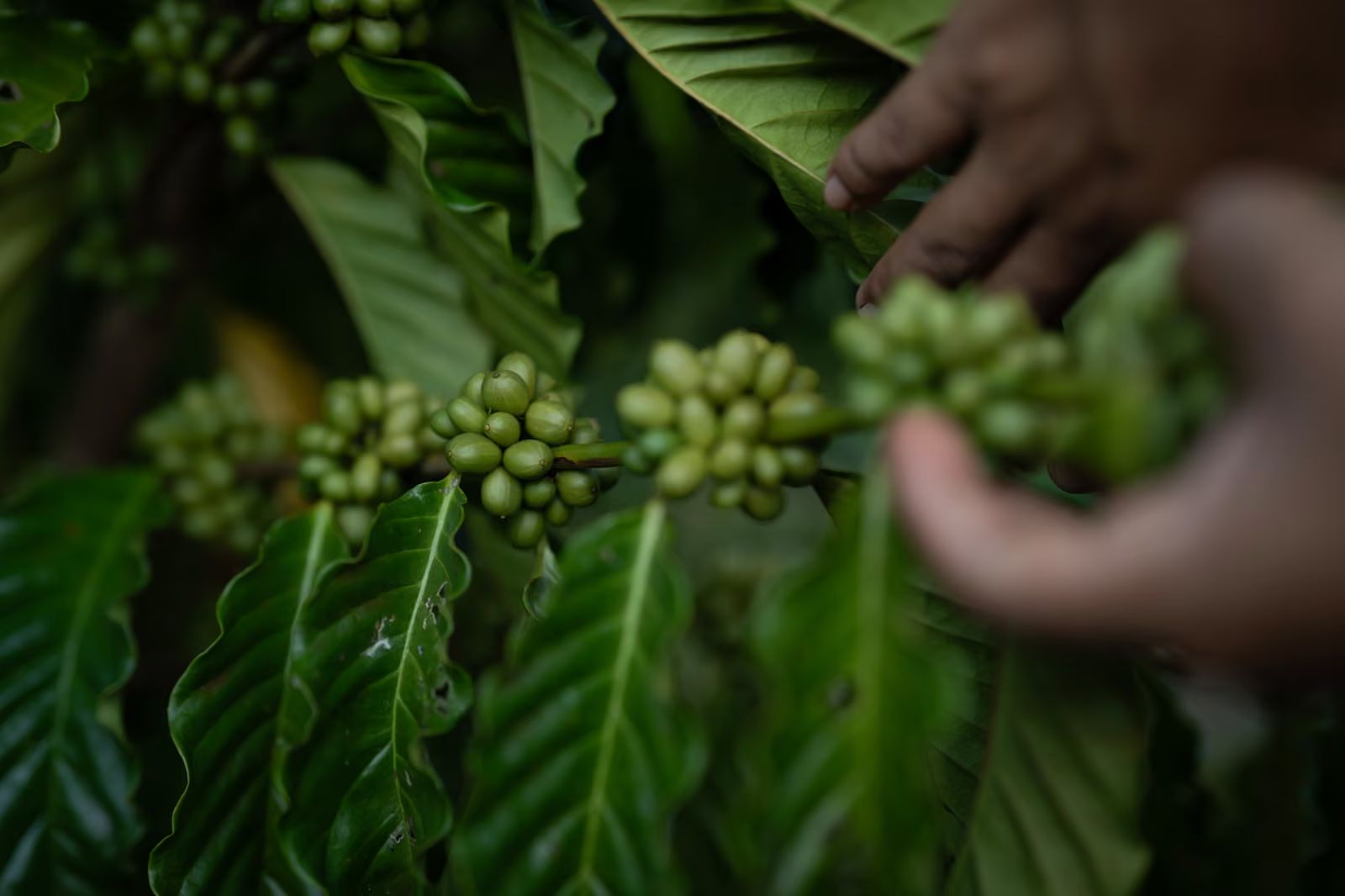
Celeste Paytxayeb Suruí, an Indigenous barista and producer, has become one of the leading voices promoting what is now known as “Amazonian robusta,” grown in Rondônia, in Brazil’s western Amazon. Around 140 Suruí families cultivate coffee on small plots within the Sete de Setembro Indigenous territory, where high temperatures and abundant rainfall provide ideal conditions for the crop—similar to its origins in Central Africa.
A Changing Role for Robusta
For decades, robusta coffee was widely viewed as inferior to arabica, often criticized for its bitterness and relegated to low-cost blends. However, as The Guardian reports, this perception is shifting.
Researchers and farmers are working to improve robusta’s quality, while its natural tolerance to heat is making it increasingly important in a warming world. Its share of global coffee production has risen significantly, reaching 44% in 2023 compared to 28% in the early 1990s.
Climate change is a key driver behind this shift. Rising temperatures are affecting all major coffee-producing regions, including Brazil, which now experiences significantly more extreme heat days each year.
You may also read: Brazil’s Specialty Coffee Sector Gains Global Momentum
Yet robusta is not immune. In 2024, drought conditions in Rondônia reduced production on Suruí lands by 40%, reflecting the crop’s dependence on rainfall. Similar weather events in Brazil and Vietnam contributed to sharp increases in global coffee prices.
Looking ahead, research suggests that the land suitable for growing coffee could shrink by at least half by 2050, affecting both arabica and robusta.
Science and Innovation
To address these challenges, Brazilian researchers have been working to develop more resilient coffee varieties. The country’s agricultural research body, Embrapa, has spent over two decades improving robusta, significantly increasing its productivity.
Read also: Coffee Prices Drop on Brazil Weather and Rising Stocks
Amazonian robusta itself is the result of natural crossings between conilon and robusta plants. Scientists are now testing dozens of new hybrids designed to withstand higher temperatures, resist drought, and deliver improved flavor.
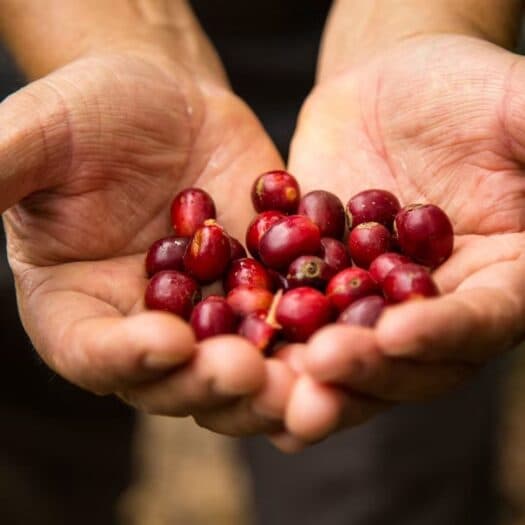
Experts also emphasize the importance of proper harvesting and post-harvest techniques. Selecting ripe cherries and carefully processing them can dramatically enhance the final cup quality, helping reposition robusta in specialty markets.
Coffee and Forest Conservation
The report underscores the close relationship between coffee cultivation and forest ecosystems. Coffee plants benefit from shaded environments, stable temperatures, and natural pollinators—all of which forests provide.
Despite this, large areas of Rondônia were cleared in past decades for cattle ranching, leaving coffee to occupy only a small portion of the land. In contrast, the Suruí community has followed a different path, implementing a long-term environmental management plan since 2004 that prioritizes reforestation and sustainable land use.
A Model from Family Farms
The report also highlights the example of the Bento family near the city of Cacoal. On their 12-hectare farm, they manage the entire coffee process—from cultivation to roasting—and welcome visitors to learn about their methods.
Their approach includes water-efficient irrigation, tree planting to protect water sources, beekeeping to support pollination, and crop rotation to maintain soil health. These practices have earned them repeated sustainability awards and demonstrate how small-scale farming can remain both productive and environmentally responsible.
Read Also: Coffee Pulp in Brazil: When the Coffee Cherry Refuses to Be Waste
Balancing Opportunity and Risk
Rising coffee prices and growing demand for robusta present new opportunities, but also potential risks. Some experts warn that expansion could lead to large-scale monoculture plantations, increasing pressure on forests.
They stress that sustainable outcomes depend on careful planning, strong environmental policies, and support for small farmers. There are also calls for consumers to make more informed choices when purchasing coffee.
Redefining Taste and Value
Another challenge lies in changing how robusta is evaluated. Traditionally judged by standards developed for arabica, robusta has often been misunderstood.
Researchers are now developing new tasting frameworks tailored specifically to canephora coffees, recognizing that robusta has its own distinct flavor profile rather than being a lower-quality alternative.
A Broader Vision for the Amazon
Beyond coffee, scientists and advocates are calling for a broader shift toward valuing forest-based products such as Brazil nuts, açaí, cocoa, and cupuaçu. They argue that Indigenous knowledge—historically overlooked—should play a central role in shaping sustainable economic models.
As Paytxayeb Suruí emphasizes in The Guardian’s report, protecting the Amazon must also mean supporting the people who live within it.
Her message reflects a wider call for collective responsibility: safeguarding the future of coffee, and the forests that sustain it, will require coordinated action from producers, governments, and consumers alike.