Dubai – Qahwa World
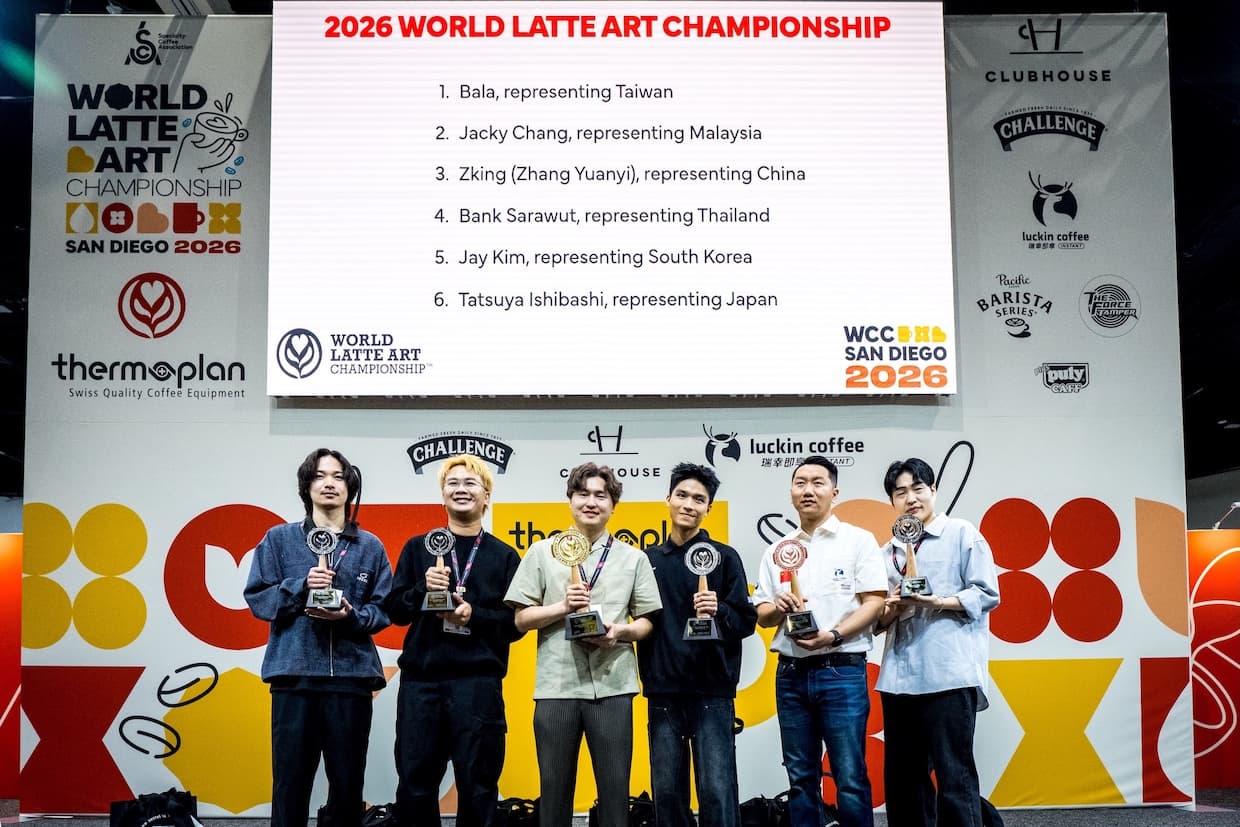
The World Coffee Championships (WCC), a global series of seven annual skill-based coffee competitions operated under the Specialty Coffee Association, has updated how it officially designates competitors from Taiwan. This World Coffee Championships Taiwan Chinese Taipei change reflects the new naming convention. Effective April 28, the organization will list Taiwanese competitors under the name “Chinese Taipei,” aligning its terminology with international sporting bodies such as the International Olympic Committee and FIFA.
According to a statement released by the WCC, the change is described as an administrative update that does not affect eligibility, qualification pathways, or the competitive experience of participants. The organization emphasized that competitors will continue to be recognized and celebrated individually for their achievements on the global stage. In fact, this World Coffee Championships Taiwan Chinese Taipei change is presented as a procedural modification rather than a shift in the event’s core values.
The WCC also addressed its broader intent in the announcement, stating that the adjustment was made in line with global naming conventions used in international sport. It further stressed that its commitment to showcasing excellence in coffee and supporting the global specialty coffee community remains unchanged. Importantly, the World Coffee Championships Taiwan Chinese Taipei change aims to ensure consistency across international events.
However, the update has drawn significant attention within the coffee industry and beyond, particularly in Taiwan’s active specialty coffee sector. Taiwanese competitors have participated in WCC events under the “Taiwan” designation since 2007, and the change has been met with concern from parts of the local coffee community. Still, this World Coffee Championships Taiwan Chinese Taipei change has become a significant topic of discussion among industry professionals.
The Taiwan Coffee Association, which organizes WCC-sanctioned events in Taiwan, stated that it did not initiate the change and has historically worked to preserve the “Taiwan” designation in international competitions. The association characterized participation under “Chinese Taipei” as a necessary condition moving forward.
Prominent voices in the coffee community have also expressed unease. Some professionals argue that the change goes beyond administrative labeling and touches deeper issues of identity, representation, and historical recognition within the specialty coffee world.
Coffee professionals, including past WCC champions, have publicly questioned the retroactive application of the naming update across official records and digital platforms. Concerns have been raised about consistency, transparency in decision-making, and how such changes may impact the historical record of competition results.
In Taiwan, the issue has also reached political attention. Lawmakers have called for clarification from relevant authorities, suggesting that the change may warrant diplomatic review given its broader implications beyond the coffee sector.
From a coffee industry perspective, the development highlights an ongoing tension between global standardization and regional identity. The specialty coffee community has long emphasized values such as traceability, origin integrity, and producer recognition—principles that some stakeholders feel intersect with how competitors and producing communities are represented on the world stage. Lastly, the World Coffee Championships Taiwan Chinese Taipei change will likely influence future conversations around producer representation internationally.
At the same time, the WCC maintains that its focus remains unchanged: celebrating skill, craftsmanship, and innovation among baristas, roasters, and coffee professionals worldwide.
As the specialty coffee sector continues to expand globally, this development underscores how even administrative decisions within competition frameworks can resonate far beyond the stage—shaping conversations around identity, governance, and the cultural meaning of coffee itself.